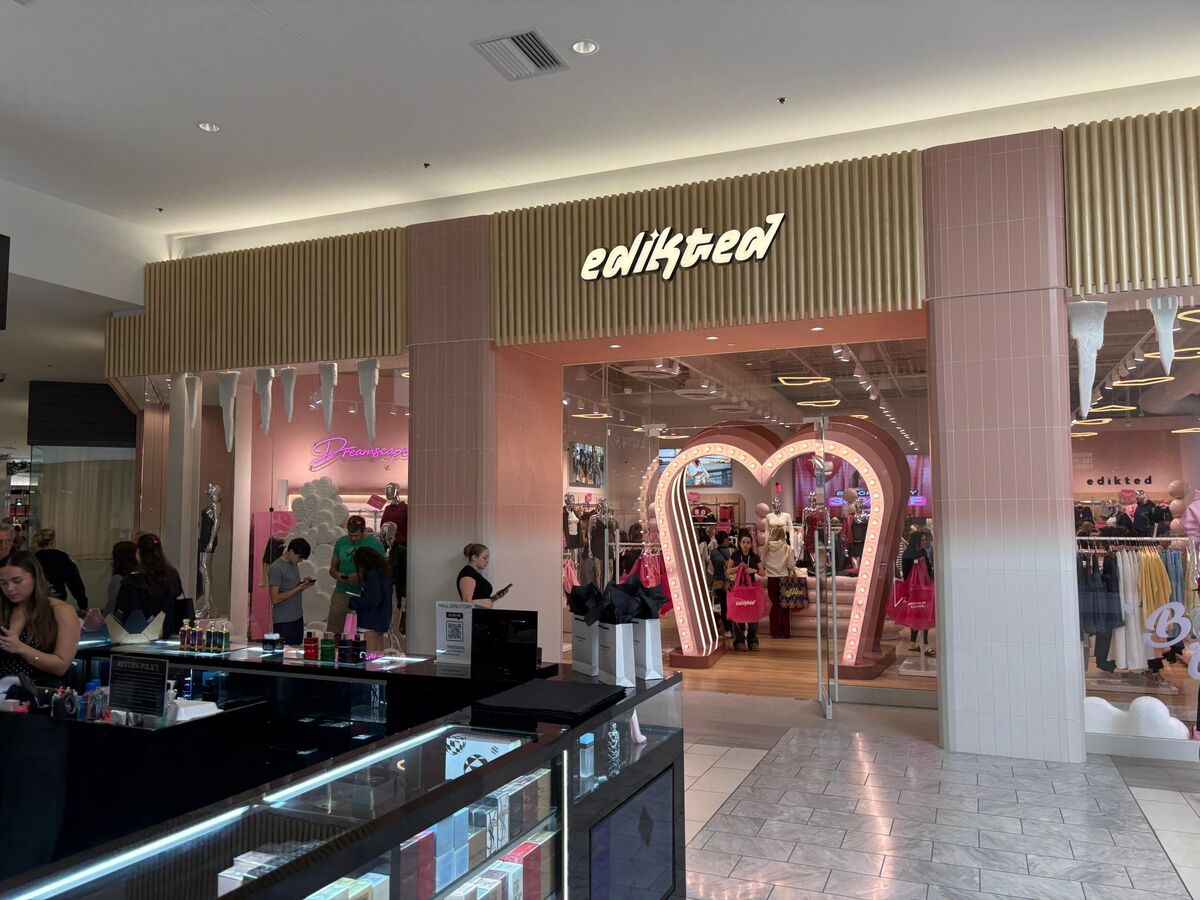
Teen-focused retailers outperformed on Black Friday as brands such as Edikted, Kendra Scott and Bath & Body Works drew the largest crowds nationwide despite frigid weather and elevated inflation. These retailers leaned into promotions on lower-ticket discretionary items (perfume, body wash, sweatshirts) to attract price-sensitive but brand-driven shoppers, signaling pockets of resilience in seasonal consumer demand that could modestly support discretionary retail sales and upside to holiday revenue for similar-format chains.
Market structure: Low-ticket, giftable specialty retailers (BBWI, Edikted-adjacent chains, Kendra Scott) are short-term winners as price-conscious shoppers trade down from big-box and mid-tier department stores; expect market-share gains of a few hundred basis points in holiday weekly sales versus Macy’s/Kohl’s if current foot-traffic sustains. Pricing power shifts toward brands that can execute targeted promos without full-price erosion — small-ticket items preserve margins if inventory turns stay high. Cross-asset: stronger retail receipts imply modest upside risk to 2y yields (10–25bps) and equities/credit in consumer discretionary; FX impact minimal unless broad retail surprise alters Fed expectations.
Risk assessment: Tail risks include a weather-driven fluke (single-day cold snap) overstating demand, supply-chain hiccups for cosmetics/perfume inputs, or social-media-driven viral SKU sellouts causing uneven comps; regulatory/tariff shocks are low probability but high impact. Time horizons: immediate (days) = foot-traffic signal; short-term (weeks–months) = holiday SSS and margin flow-through; long-term (quarters+) = brand loyalty and inventory/return cycles. Hidden dependencies: influencer trends, packaging/component supply, and post-holiday returns can invert gains. Catalysts: weekly retail sales, Mastercard/Visa volumes, BBWI SSS and inventory days, Jan returns data.
Trade implications: Direct play — tactically overweight BBWI (small size) into early-January reporting window; employ 60–90d call spreads to limit premium if IV elevated. Relative value — pair long BBWI vs short Macy’s/Kohl’s to capture specialty outperformance; expect 200–300bp spread move within 60–120 days if trends persist. Sector rotation — upweight specialty discretionary +150–250bps, trim department stores and some mid-tier apparel; set objective triggers tied to SSS beats/misses.
Contrarian angles: Consensus may overstate sustainability — one-day Black Friday crowding can be promotional and not repeatable, producing high YOY comps and subsequent markdown risk in January. Historical parallels (post-promo spikes in 2018–2019) show inventory buildups and margin compression in Q1 after heavy holiday promos. Unintended consequence: aggressive discounting to drive foot traffic could depress full-price sell-through, forcing earnings revisions and a >10% correction in overstretched specialty names.
AI-powered research, real-time alerts, and portfolio analytics for institutional investors.
Request DemoOverall Sentiment
mildly positive
Sentiment Score
0.30
Ticker Sentiment
