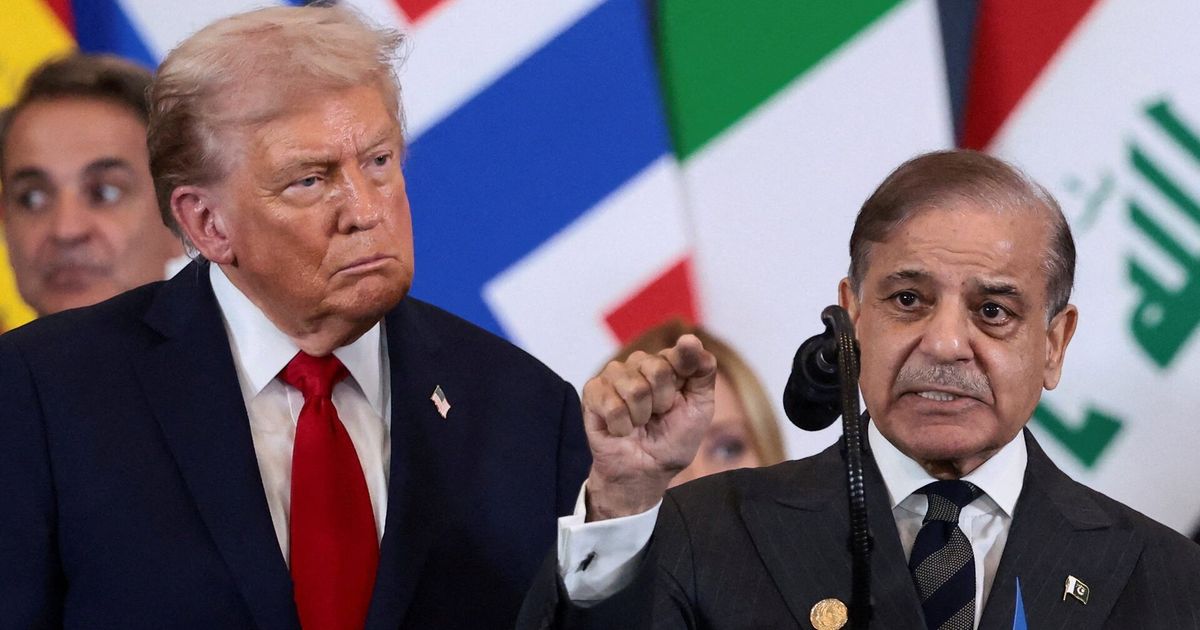
Five-day pause in planned US strikes was announced after reported constructive exchanges while Pakistan offered to host potential US–Iran talks; the Strait of Hormuz conveys roughly 20% of global crude and LNG. Markets briefly calmed (US stocks surged and oil prices fell) but ongoing threats, military strikes, and the risk of maritime disruption mean elevated downside risk to energy supply and a continued risk-off market posture.
Pakistan’s offer to host talks is a low-cost market stabilizer: it meaningfully lowers the near-term probability of immediate, large-scale strikes on energy infrastructure (I’d peg the one-week strike probability down ~15-20 percentage points versus baseline), which should compress the tactical oil risk premium over days–two weeks. But that compression is fragile because Iran’s internal cohesion signal remains structurally weak; a succession-dependent regime with fractured chains of command raises the likelihood of asymmetric, hard-to-forecast attacks (maritime mines, stand-off missile strikes, sabotage) that impose episodic supply shocks rather than steady output loss.
Second-order winners from a temporary de-escalation are oil refiners and shipping-heavy commodity processors: refining margins recover if crude volatility falls and ship queues clear, while shipping insurers and short-duration freight names see realized volatility (and premiums) fall only to spike later, creating convex opportunities. Conversely, regional financials and sovereigns in the Gulf remain exposed to spikes in risk premia—credit spreads can reprice by 100–300bp within weeks on renewed hostilities; that dynamic is underpriced in many EM external bond valuations.
For alpha generation, treat today as a volatility arbitrage window: buy time-limited downside in oil/energy risk premia and buy asymmetric long exposure to energy producers on a re-escalation. Position sizing should assume a bimodal outcome over 30–90 days (diplomacy holds -> 10–20% oil decline from peak; strikes resume -> 20–40% rally from baseline), so use option structures that cap premium paid while leaving convex upside intact.
AI-powered research, real-time alerts, and portfolio analytics for institutional investors.
Overall Sentiment
strongly negative
Sentiment Score
-0.60
