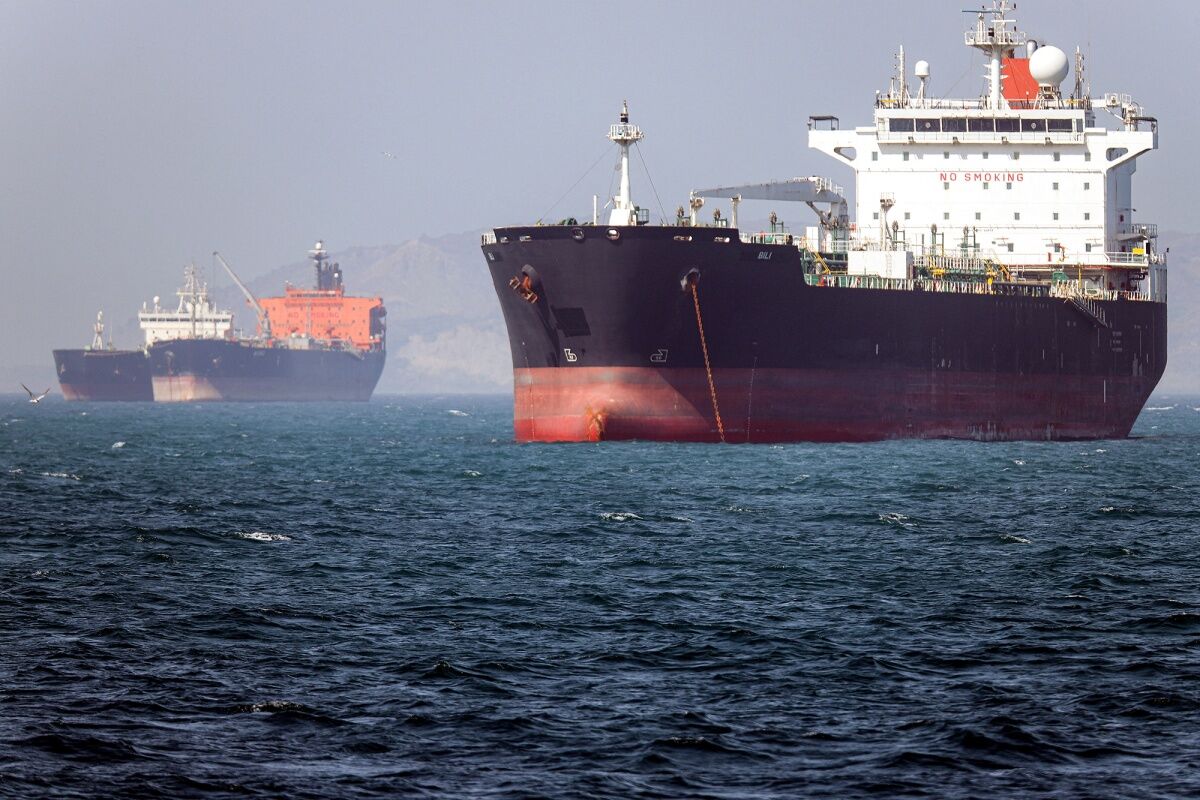
Supertanker traffic through the Strait of Hormuz has ticked higher, with four ships carrying about 2 million barrels each of mostly Iraqi crude exiting since May 10, a pace near 2 million barrels per day. The rebound offers only limited relief after the market suffered the largest supply disruption in history, with flows still well below the roughly 20 tankers per day seen before the war. The update is negative for oil supply-risk sentiment and remains highly relevant for crude prices and regional shipping.
The marginal improvement in tanker throughput matters less for headline supply than for market psychology: it reduces the probability of a near-term panic bid in prompt crude and freights, but it does not restore the lost buffer that kept the system elastic. With so much of the flow apparently unsanctioned, the market remains vulnerable to a one-ship disruption producing an outsized price response because the reopening benefit is concentrated in a narrow set of barrels and routes. Second-order winners are likely to be the logistics layer, not the oil majors. Higher movement through the strait supports very elevated spot tanker economics and improves utilization for owners with clean balance sheets and Middle East exposure, while refiners with crude procurement flexibility gain relative to those dependent on immediate prompt barrels. The losers are downstream users that were pricing in a sustained supply shock; if crude retreats while product markets stay tight, crack spreads could compress unevenly, especially in gasoline and middle distillates. The key catalyst set is binary and fast-moving: any incident in the Strait, escalation in shipping insurance premiums, or reimposition of enforcement that clamps down on sanctioned flows could reverse this trend within days. Over a 1-3 month horizon, the more important question is whether this is merely a temporary rerouting of barrels rather than true normalization; if so, front-end volatility should remain bid even if outright prices soften. The contrarian angle is that the market may be overpricing a durable supply restoration when in reality it is just reclaiming a fraction of disrupted capacity, leaving a structurally tighter system than pre-war.
AI-powered research, real-time alerts, and portfolio analytics for institutional investors.
Request DemoOverall Sentiment
mildly negative
Sentiment Score
-0.15
