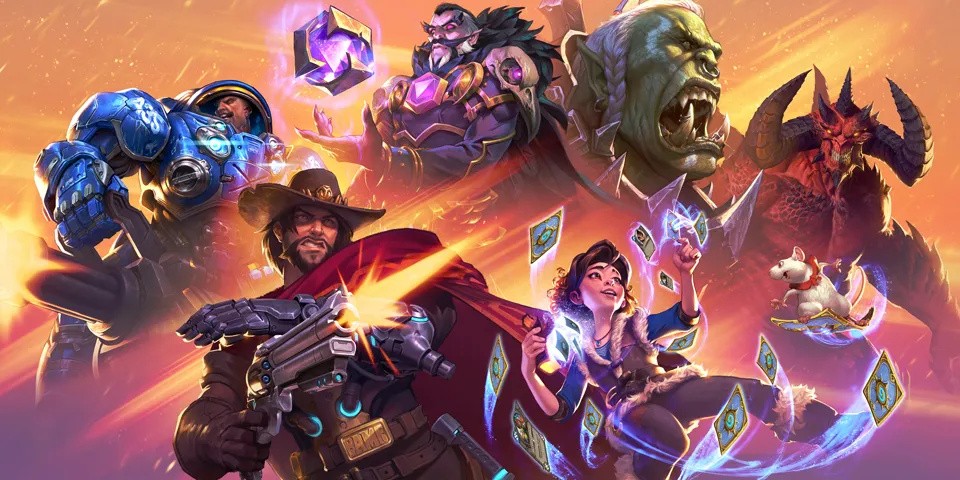
Blizzard president Johanna Faries says the studio feels trusted and empowered under Xbox/Microsoft ownership, with leadership from Matt Booty and Phil Spencer supporting Blizzard’s autonomy to drive growth. She declined to confirm previously reported Xbox margin targets (cited at ~30%), instead emphasizing Blizzard is "seen and valued as a gem in the portfolio" and is gearing up for what management calls its biggest year in 2026, signaling positive managerial intent but limited new financial disclosure for investors.
Market structure: Microsoft (MSFT) is the clear direct beneficiary — Blizzard operating with “agency” under Xbox increases the probability Blizzard content flows into Game Pass and cloud distribution, improving recurring revenue mix and operating leverage; incumbents (EA, TTWO) face pricing pressure if MSFT pushes day‑one subscription placement. Competitive dynamics favor platform owners (MSFT, potentially SONY if it responds) over standalone publishers; a successful Blizzard cycle could shift ~1–3% annual market share within Western AAA live‑service spend toward Xbox/PC ecosystem by 2026.
Risk assessment: Tail risks include a major franchise flop, cultural/HR fallout from integration, or regulator scrutiny of subscription bundling — any of which could remove upside or force write‑downs (impact >$5–10B enterprise value for MSFT gaming in a severe scenario). Immediate (days) impact is muted; short‑term (3–12 months) volatility will cluster around slate announcements; long‑term (12–36 months) outcomes hinge on 2026 releases and monetization execution. Hidden dependencies: China publishing access, Game Pass placement, and live‑ops monetization thresholds (~$10–20 ARPPU bands) are decisive.
Trade implications: Direct play — establish a tactical long in MSFT (1–2% portfolio) and layer to 3% if Blizzard titles are confirmed for Game Pass day‑one; use Jan 2026 call spreads (buy 10% OTM, sell 30% OTM) to lever upside with capped cost. Pair trade — long MSFT vs short EA (EA) sized 1:0.7 to express platform win over third‑party pricing pressure through 2026; target relative outperformance 8–12% in 12–18 months.
Contrarian angles: Consensus underweights optionality from a concentrated Blizzard hit year in 2026; conversely, investors may be underpricing governance risk if MSFT enforces margin targets that erode creative output. Historical parallel: Mojang/Minecraft integration showed low‑interference upside; Kinect‑era meddling shows the opposite — outcome depends on Microsoft’s patience (watch exec commentary). Unintended consequence: aggressive margin mandates could accelerate IP erosion and long‑term brand decay, turning a near‑term financial win into multi‑year revenue loss.
AI-powered research, real-time alerts, and portfolio analytics for institutional investors.
Request DemoOverall Sentiment
mildly positive
Sentiment Score
0.25
Ticker Sentiment
