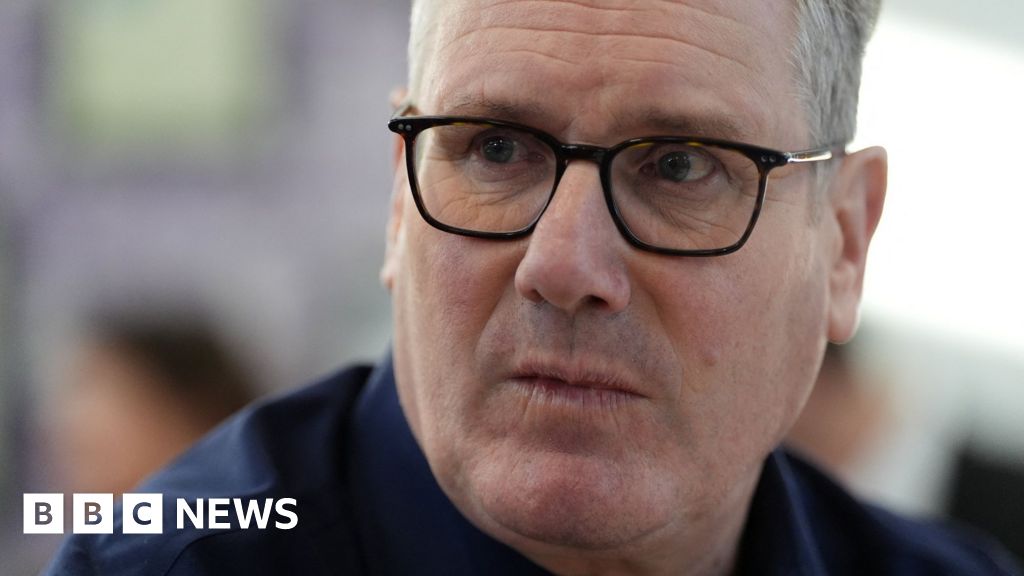
UK Prime Minister Keir Starmer said only Greenland and the Kingdom of Denmark should decide Greenland's future, directly pushing back on US President Trump's repeated suggestions that the United States 'needs' Greenland for national security, a proposal already rejected by Greenland's and Denmark's leaders. Separately, US military and law-enforcement forces removed Venezuela's president and his wife from Caracas and flew them to the US on weapons and drug charges, drawing legal criticism, prompting a forthcoming UN Security Council meeting and creating incremental geopolitical and legal risk.
Market structure: Short-term winners are defense primes (Lockheed LMT, Northrop NOC, Raytheon RTX) and specialty miners with rare-earth/uranium optionality (MP Materials MP, Lynas LYC, speculative Greenland Minerals GGG.AX) as geopolitical focus on the Arctic increases demand for surveillance, bases and battery/RE supply diversification. Losers include high-exposure carriers (AAL, UAL) and nearby EM credits (Venezuela-linked debt, regional banks) facing contagion; pricing power shifts toward defense suppliers and non-China rare-earth sources, potentially lifting junior miner equity multiples by 20–50% on permitting progress within 12–24 months.
Risk assessment: Tail risks include diplomatic escalation or a rapid China counterplay in the Arctic (low-probability, high-impact) and protracted legal/regulatory battles in Greenland that can delay projects 3–7 years. Time horizons: immediate (days) for FX/commodity/volatility moves, short (weeks–months) for defense contract re-pricing and oil reaction to Venezuelan disruption, long (years) for mine buildouts. Hidden dependency: Danish/EU political will and Chinese off‑market deals could flip outcomes; catalysts include NATO statements, Greenland permitting votes, and Venezuelan court/transfer dates (next 7–30 days).
Trade implications: Tactical: enter 2–4% long positions in LMT/NOC/RTX with 3–6 month call spreads (buy ATM, sell +10–15% OTM) to cap cost; size 1–2% longs in MP/LYC and a speculative 0.5–1% in GGG.AX for 6–18 month upside if licensing advances. Energy: deploy a 4–8 week Brent call spread ($3–5 wide) sized 1–2% to capture supply shock from Venezuela. Defensive short: 1–2% short or put overlays on AAL or JETS ETF to hedge higher fuel/flight disruption risk.
Contrarian angles: The market underestimates China’s willingness to secure Arctic resources—consider hedged long exposure to non-Chinese juniors and short overvalued defense names if premium expansion exceeds historical defense re-rating (>25%). Historical parallel: Cold‑War Arctic upgrades produced multi-year capex but not perpetual commodity booms; therefore cap position sizes (stop-loss 15–25%) and use options to limit downside while capturing asymmetric upside on geopolitical re‑risking.
AI-powered research, real-time alerts, and portfolio analytics for institutional investors.
Request DemoOverall Sentiment
mildly negative
Sentiment Score
-0.25
