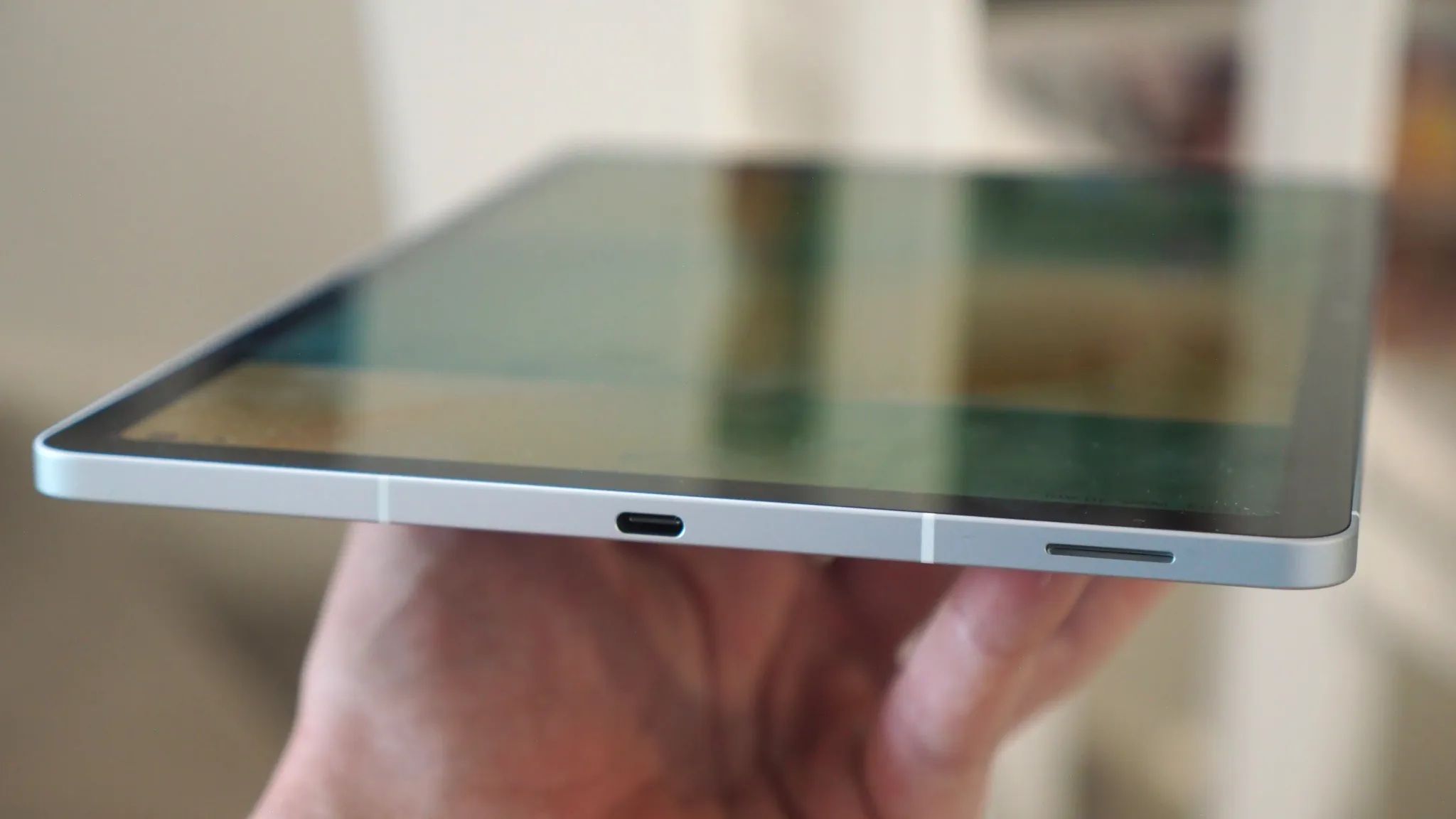
Verizon is running a Cyber Monday/holiday promotion offering a free gift — including a Samsung QLED TV, Samsung Galaxy Tab S10 FE 5G (retail $599.99), 32" Samsung smart monitor, other devices (many ~$399.99) or a $200 Target gift card — with new Verizon Home 5G or Verizon Fios signups. Pricing cited: Verizon Fios Home Internet (1Gig) from $74.99/month (avg. up to 940 Mbps down, 880 Mbps up) and Verizon 5G Home Ultimate from $60/month (up to 1,000 Mbps down, 75 Mbps up), with no data caps; the $200 Target card option expires December 1, 2025. The promotion is a customer-acquisition play that may boost subscriber additions and peripheral device engagement in markets where fiber or 5G availability varies, but it is unlikely to meaningfully move public markets.
Market structure: The promotion (free gifts valued $200–$600) is a short-term subsidy that directly benefits Verizon (VZ) via new Fios/5G Home subs and Target (TGT) via the $200 gift-card redemption cycle; Samsung (device supplier) benefits from inventory turn but bears unit-cost pressure. Competing retailers (WMT, BBY) face mixed effects—WMT likely loses share for targeted tech buys while BBY may capture high-ticket shoppers; overall incremental holiday demand is modest vs. total US retail (expected to move comps by low-single-digits). Cross-asset: expect a small positive to US consumer-discretionary equities and a 5–15bp upward pressure on 2y yields if retail receipts beat estimates; FX/commodities negligible.
Risk assessment: Tail risks include regulatory scrutiny of bundled subsidies, a supply shortfall for popular free SKUs, and higher-than-expected returns reducing gross-margin—each could shave 50–200bp off holiday-margin beats. Time horizons: immediate (days)—beware Dec 1 Target-card cutoff; short-term (weeks/months)—holiday comps and Verizon net-adds; long-term (quarters)—sustained ARPU lift is unlikely unless retention >65%. Hidden dependency: vendor subsidy economics (Verizon’s unit economics with Samsung) and Target’s redemption-to-spend uplift rate (monitor >1.2x basket lift).
Trade implications: Tactical: overweight TGT (2–3% position) into Jan 2026 anticipating 200–400bp comp upside on gift-card flows; overweight VZ (1–2%) for 3–12 months to capture net-add recovery if Verizon reports >50k Fios/5G net adds in Dec. Pair trade: long TGT / short WMT (equal notional, 1–2%) to play relative share shift over 6–8 weeks. Options: buy TGT Jan 2026 call spread (delta ~0.35 buy, sell higher strike) to cap cost and target 8–15% absolute upside. Reduce NVDA/INTC directional exposure—hardware promo is demand-shifting not GPU-driven.
Contrarian angles: The market underestimates redemption economics—if Target converts gift-card into higher-margin categories, EPS beat is possible; conversely, Verizon’s subs could be front-loaded with high churn—if Verizon net adds <50k in Dec, cut VZ to neutral. Historical parallels: past ISPs’ big holiday hardware promos produced transient subscriber spikes but minimal long-term ARPU gains; treat any post-holiday valuation re-rate as an entry/exit signal. Monitor three triggers: Target weekly comps; Verizon weekly/quarterly net-adds; promo SKU inventory levels—if any miss thresholds above, trim positions by 50% within 7 trading days.
AI-powered research, real-time alerts, and portfolio analytics for institutional investors.
Request DemoOverall Sentiment
mildly positive
Sentiment Score
0.35
Ticker Sentiment
