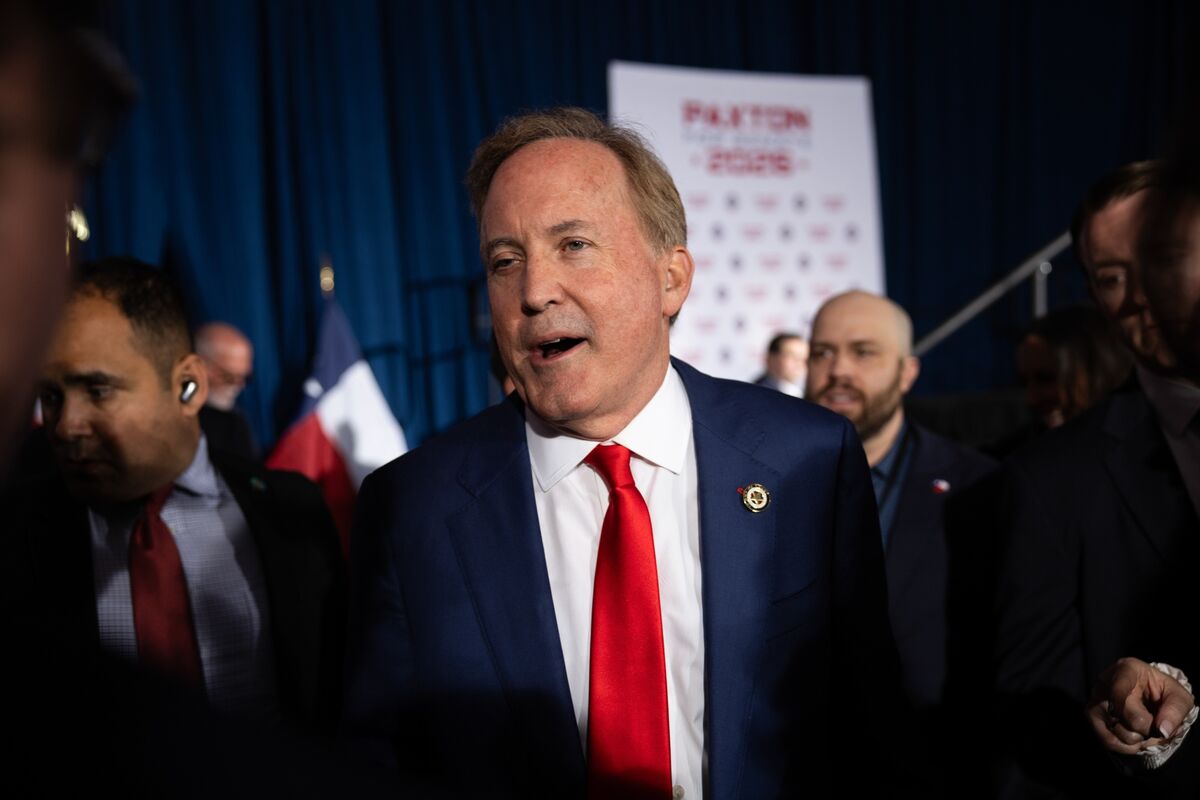
Ken Paxton leads John Cornyn 48% to 45% in a new University of Houston poll ahead of the May 26 Texas GOP Senate runoff, with the margin inside the 2.8-point error band. The result highlights a highly competitive and volatile primary, but it is primarily political news with limited direct market impact.
This is less a state-level political footnote than a measurable signal about the Republican coalition’s willingness to tolerate insurgent candidates even at the cost of electability. If the hardline challenger survives, the near-term beneficiary is national polarization: it reinforces a primary system where incentives skew toward confrontation, raising the probability of a weaker general-election nominee and a noisier Texas ballot environment in 2026. For markets, the direct read-through is limited, but the indirect effect is on policy optionality: a more combative Texas GOP lowers the odds of pragmatic legislative bargaining on issues like taxes, permitting, and energy infrastructure that usually matter more to companies than campaign rhetoric. The second-order effect is on incumbency value inside the party. A narrow incumbent loss would be a warning shot to other senior Republicans that establishment credentials are not a defense when turnout is dominated by ideologically intense voters, which could increase primary risk premiums for other Senate and House holders over the next 12-24 months. That matters for sectors exposed to federal and state policy continuity—especially utilities, regulated infrastructure, and defense contractors—because even small shifts in committee composition can alter procurement timelines and permitting cadence. The contrarian takeaway is that the market may be underpricing the possibility of a moderation snap-back if the runoff remains this close. Tight races often produce post-runoff incentive shifts toward general-election positioning once the winner has to expand the electorate, so the most extreme policy outcomes are not the base case unless turnout skews sharply. In other words, headline volatility can stay elevated for days, but policy divergence is more likely to compress over months unless the broader electorate is clearly moving right in a way that survives beyond the primary.
AI-powered research, real-time alerts, and portfolio analytics for institutional investors.
Request DemoOverall Sentiment
neutral
Sentiment Score
-0.05
