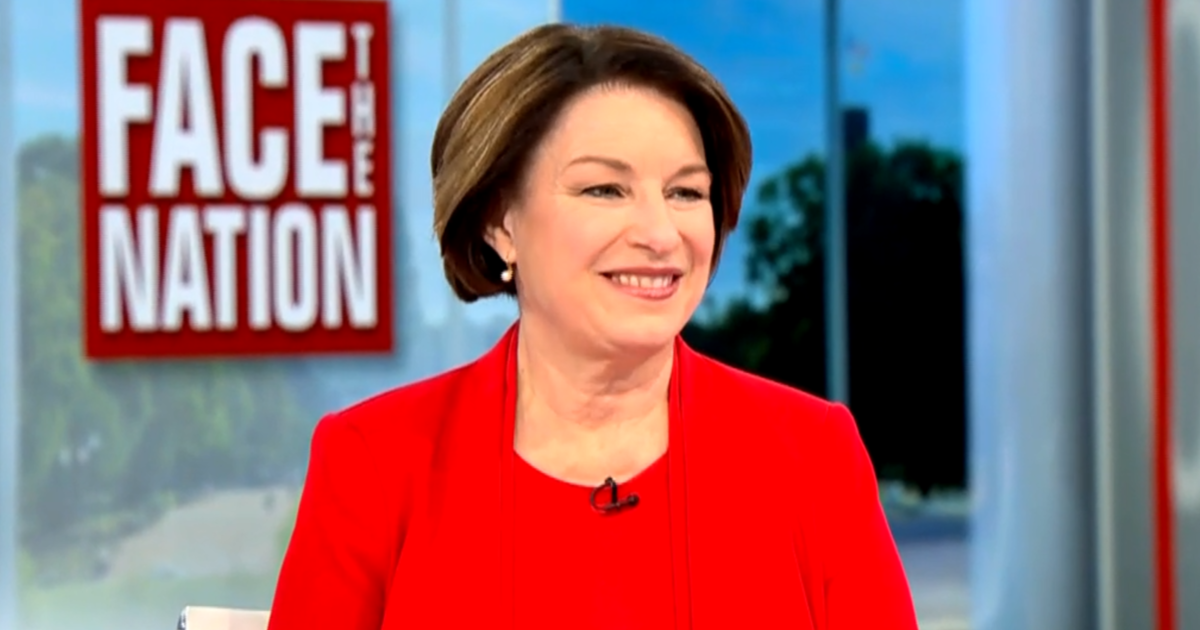
Gov. Tim Walz's decision not to seek a third term has triggered speculation that U.S. Sen. Amy Klobuchar — who is being encouraged to run but has made no decision — could enter the Minnesota gubernatorial race. Minnesota is not a resign-to-run state, so Klobuchar could remain in the Senate while campaigning; if she wins the governor's office the governor would appoint an interim replacement and a special election (potentially November 2027) would determine who finishes the Senate term. The developing contest includes a crowded Republican field (including Mike Lindell, Lisa Demuth, Scott Jensen, Kristin Robbins, Kendall Qualls, Chris Madel and David Hann), a dynamic that could affect state policy and the composition of Minnesota's U.S. Senate representation depending on outcomes.
Market structure: A Klobuchar gubernatorial bid is a state-level political shock with concentrated winners (Minnesota healthcare providers and state-contracted construction firms) and losers (long-duration Minnesota muni holders and small-cap MN firms sensitive to state policy). If a Democrat remains in the governor’s mansion, expect stable Medicaid reimbursement and steady state capital-spending programs; if the seat flips, transient uncertainty in muni spreads and state contract renegotiations could widen yields by 10–40bps over 3–6 months.
Risk assessment: Tail risks include a governor-appointed Senate flip that materially changes federal legislative outcomes (low probability 5–15% but high-impact for fiscal/defense policy) and a contested special election that lengthens uncertainty to Nov 2027. Immediate (days) risk is headline-driven muni volatility; short-term (weeks–months) risk is appointment mechanics and candidate announcements; long-term (quarters) risk is fiscal policy shifts affecting Medicaid, infrastructure, and corporate taxes.
Trade implications: Tactical plays favor overweighting Minnesota‑sensitive large-cap healthcare (UnitedHealth UNH) and underweighting long-duration muni exposure (MLN) while shifting to broader, shorter-duration muni exposure (MUB). Use small, defined-risk option hedges (3–6 month put spreads on MLN or MUB sized 0.5–1% portfolio) to insulate against a 20–40bps muni widening; if signs point to a Senate flip, add exposure to defense names (Lockheed LMT) via 6–12 month call spreads.
Contrarian angles: Consensus underestimates localized muni mispricings — yields on 3–7 year MN GOs could cheapen relative to national peers by >20bps on headline volatility, presenting buy-the-dip opportunities if a Democrat is likely to hold the governor’s seat. Conversely, markets may underprice the probability (10–20%) that an appointment/special election could alter Senate margin and boost defense spending, so small asymmetric option punts on LMT/NOC offer favorable skew.
AI-powered research, real-time alerts, and portfolio analytics for institutional investors.
Request DemoOverall Sentiment
neutral
Sentiment Score
0.00
