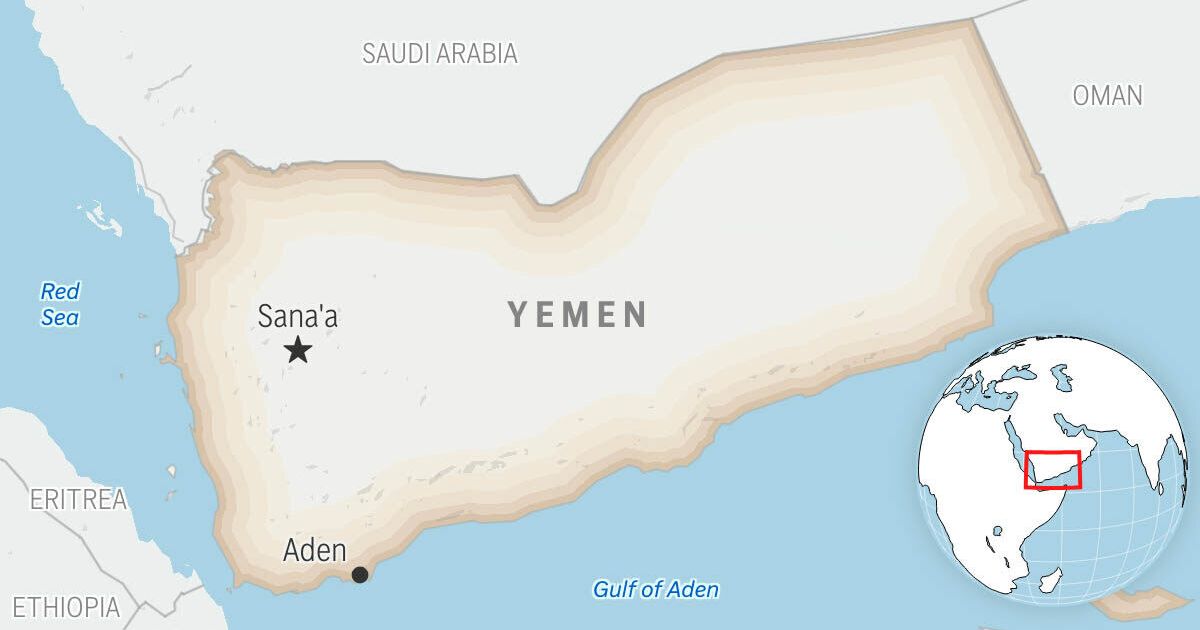
Houthi authorities in Sanaa seized telecommunications equipment and vehicles from at least six unstaffed U.N. offices and have moved the assets to an undisclosed location, and have blocked U.N. Humanitarian Air Service flights to Sanaa for over a month and to Mareb for more than four months. The U.N. says the confiscated equipment was essential for programs and that World Food Program operations in Houthi-controlled areas will shut down, costing 365 jobs by the end of March; the U.N. also notes 73 U.N. staffers have been detained in recent years. The measures materially increase operational and humanitarian risk in areas that account for roughly 70% of Yemen’s needs and raise the prospect of further instability and constraints on aid logistics in the region.
Market structure: The Houthi seizure and flight bans tighten logistics and raise regional operational risk — direct losers are commercial shippers, NGOs, and regional EM credit that rely on Red Sea/Sanaa access; winners are defense/mercenary/security suppliers and insurance brokers that can capture higher premium flows. Expect short-term spot shipping insurance (war-risk) premia to move +20–60% if attacks or seizures increase, elevating freight costs and passing through to energy and consumer goods margins. Cross-asset: safe-haven USD/Gold and Brent are the primary beneficiaries; EM FX and sovereign spreads should widen on risk-off.
Risk assessment: Tail risks include escalation to systematic Red Sea interdiction (low probability, high impact) that could add 5–12% to Brent and force rerouting (10–14 day longer voyages), and retaliatory strikes widening Gulf tensions. Immediate (days): insurance and charter rates spike; short-term (weeks–months): higher OPEX and rerouting costs; long-term: sustained premium normalization or geopolitical accommodation. Hidden dependencies include reinsurance contract lags and charter-rate indexation, which can delay revenue recognition for insurers and shippers by months. Catalysts: credible Houthi attacks on commercial vessels, Iranian state involvement, or a diplomatic de-escalation.
Trade implications: Tactical trades favor long defense/insurance and tactical oil exposure, and short/hedge EM transport/logistics and sovereign HY. Use concentrated short-dated (2–3 month) option structures to express convexity on oil and defense while limiting capital at risk; rotate into cyclicals if risk premium recedes. Entry: act within 1–14 days for options and 2–6 weeks for equities; exit on 10–15% realized moves or reversal in Houthi posture.
Contrarian angles: The market may overprice permanent disruption — historical parallels (2019–2021 Red Sea flare-ups) showed large short-term premia that faded as rerouting and naval escorts normalized. Mispricings: beaten-down regional shipping names or EM logistics could snap back 20–40% once escorts/insurance normalize. Unintended consequence: sustained higher insurance could accelerate onshoring/regional port investment, creating long-term winners in alternative logistics and infrastructure ETFs.
AI-powered research, real-time alerts, and portfolio analytics for institutional investors.
Request DemoOverall Sentiment
moderately negative
Sentiment Score
-0.50
