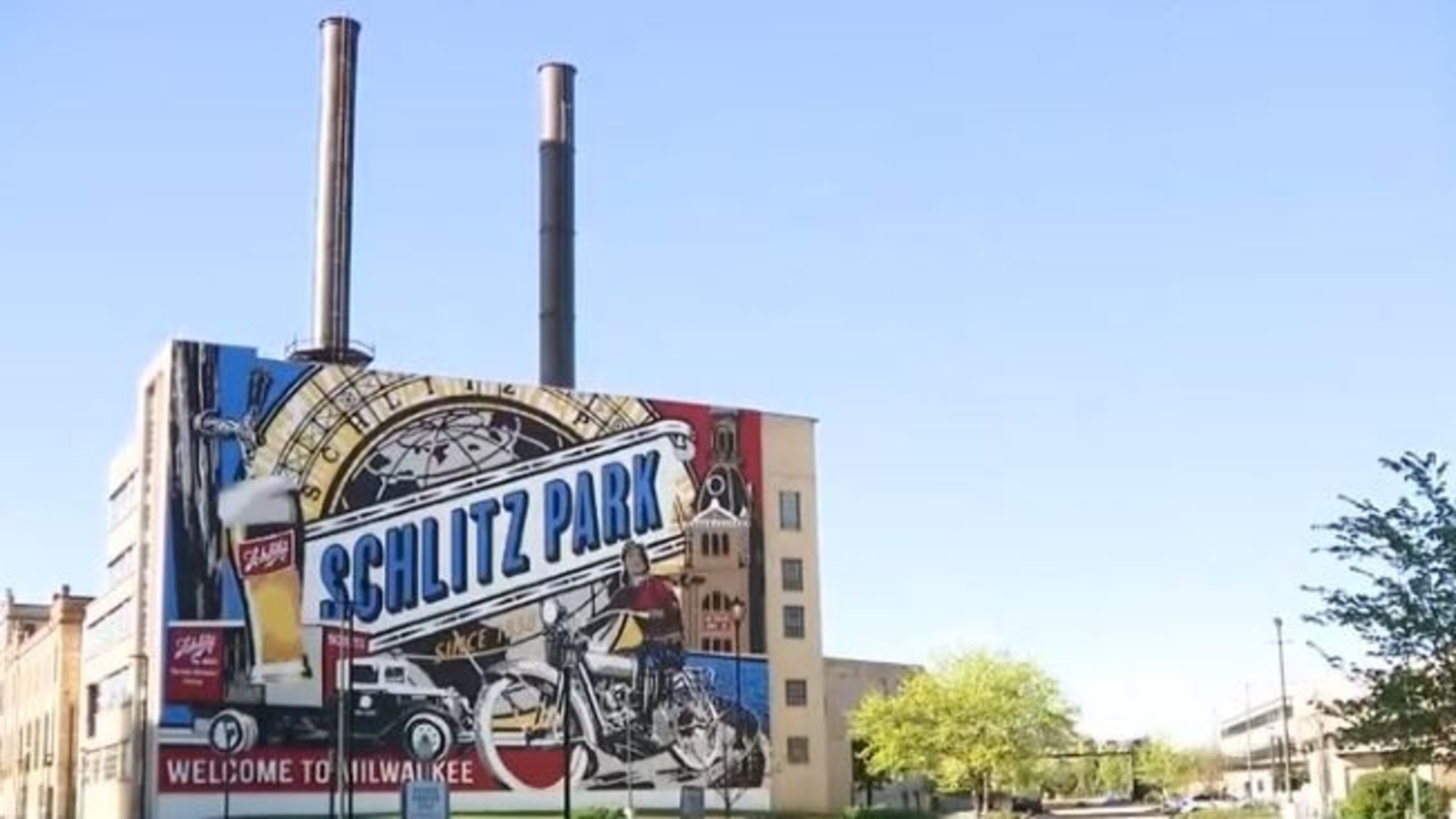
Schlitz beer, founded in 1849 and once the largest brewer in America, is being retired after Pabst Brewing Company ceased production due to declining volume. Wisconsin Brewing Company will brew one final batch on May 23, and farewell events are scheduled later in May and June. The news is economically modest but negative for the legacy brand and local retail/taproom availability.
This is not a headline about one beer brand so much as a signal that the very bottom of the U.S. beer pyramid is being rationalized. The economic damage is concentrated in legacy, low-velocity labels that survive on distribution inertia and nostalgia rather than pricing power; once a brand loses enough turns, contract brewers and wholesalers stop allocating scarce line time and shelf space to it. The second-order beneficiary is not another mass lager so much as nearby substitutes with stronger local identity, better tap handle economics, and higher-margin premium craft or flavored alternatives that can capture the same “I want something familiar” purchase occasion. The key read-through for beverage investors is that this is another data point that mainstream beer demand is still under structural pressure, especially in price-sensitive, on-premise channels. When a brand is retired, distributors often reassign cooler, draft, and bar menu real estate to faster movers within days to weeks, which can create a small but measurable lift for competing regional brands and private-label offerings in the same outlet set. For large brewers, the implication is deflationary mix: less support for low-end legacy brands and more dependence on premiumization to offset volume erosion. The contrarian takeaway is that retirement can be a margin-positive event despite weak headline optics. Stripping out a chronically unprofitable SKU reduces complexity, working capital tied up in slow inventory, and underutilized capacity, which can improve returns even if top-line volume falls. The market may overfocus on brand death and underappreciate that disciplined pruning is exactly what mature consumer companies do before earnings estimates stabilize. Near term, the main catalyst is not the retirement itself but the follow-on distribution reshuffle over the next 1-3 months: which labels inherit taps, shelf facings, and regional advertising dollars. If alternative value beers or local craft brands show sustained share gains in Milwaukee/Chicago on-premise data, that would be the cleaner signal for a broader rotation than the brand retirement headline alone.
AI-powered research, real-time alerts, and portfolio analytics for institutional investors.
Request DemoOverall Sentiment
mildly negative
Sentiment Score
-0.35
