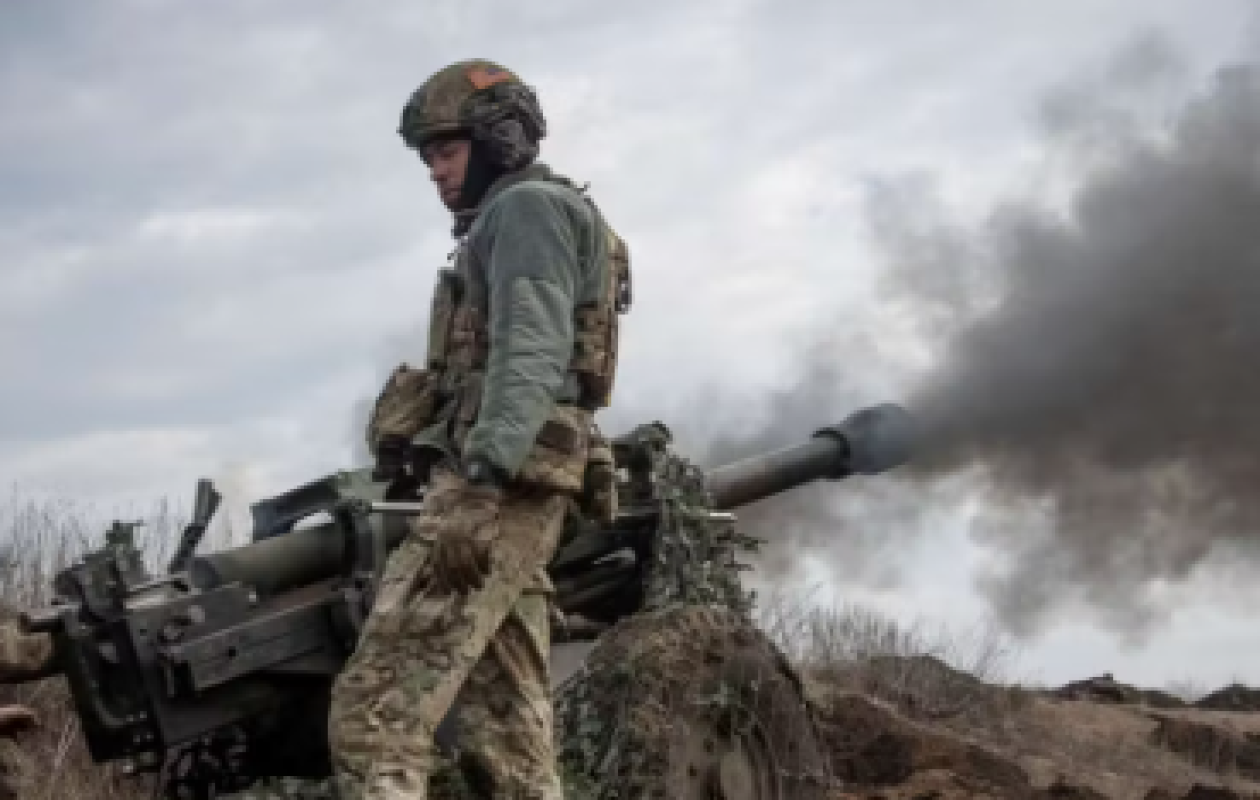
Russian regions are paying substantial cash bonuses to private recruiters who deliver contract soldiers to recruitment centers, creating a parallel ‘referral’ market for enlistment ahead of a 2025 reform that will allow contracting outside military commissariats. Local payouts cited include 500,000 rubles (plus 50,000 from regional budgets) in Pelym and a Ryazan decree promising 574,713 rubles for each foreign volunteer recruited, signaling state-supported monetary incentives that may increase mobilization capacity and raise geopolitical risk. For investors, this underscores a growing, decentralized mobilization mechanism with potential political and economic ramifications for Russia’s governance, labor availability and regional fiscal pressures.
Market structure: Paying 500k–575k RUB (~€5.5–6k) per recruit creates a de facto private recruiting market funded by regional budgets and central backstops, shifting cost of manpower from federal to local fiscal envelopes and boosting demand for logistics, transport and private security services while depressing labor supply for local economies. Short-term winners are private military contractors, transport/logistics firms and state-owned defense suppliers (higher order flow); losers include regional budgets, low-quality labor pools and sovereign credit if cumulative payouts scale to hundreds of billions RUB over 6–12 months.
Risk assessment: Tail risks include rapid escalation (NATO involvement), comprehensive secondary sanctions on Russian suppliers, or a political backlash if casualty rates spike—each could move oil +20% and RUB -15% within weeks. Immediate (days) volatility will center on FX and energy; weeks–months will stress regional finances and Russian credit spreads; multi-quarter risk is persistent sanctions/asset freezes that impair global commodity flows.
Trade implications: Expect firmer oil/gas prices and higher volatility in RUB and Russian credit; defend with 3–6 month directional commodity exposure (Brent calls) and FX hedges (long USD/RUB). Defense-equipment OEMs in US/EU should see order visibility improve over 3–12 months, while Russian equity/bond plays (RSX, sovereign paper) should be de-risked or shorted on RUB weakness and fiscal strain.
Contrarian angles: Consensus assumes manpower bonuses signal inexorable escalation; alternatively, this is a cost-minimizing move to avoid full mobilization and large political backlash, which lowers probability of a sudden NATO-triggered escalation—defense equities may already price in too much upside. Unintended consequences: poorer recruit quality raises casualty and propaganda risk, which could trigger sharper sanctions and commodity disruptions, making tail-hedges (gold, oil calls, VIX structures) asymmetric hedges worth owning.
AI-powered research, real-time alerts, and portfolio analytics for institutional investors.
Request DemoOverall Sentiment
moderately negative
Sentiment Score
-0.40
