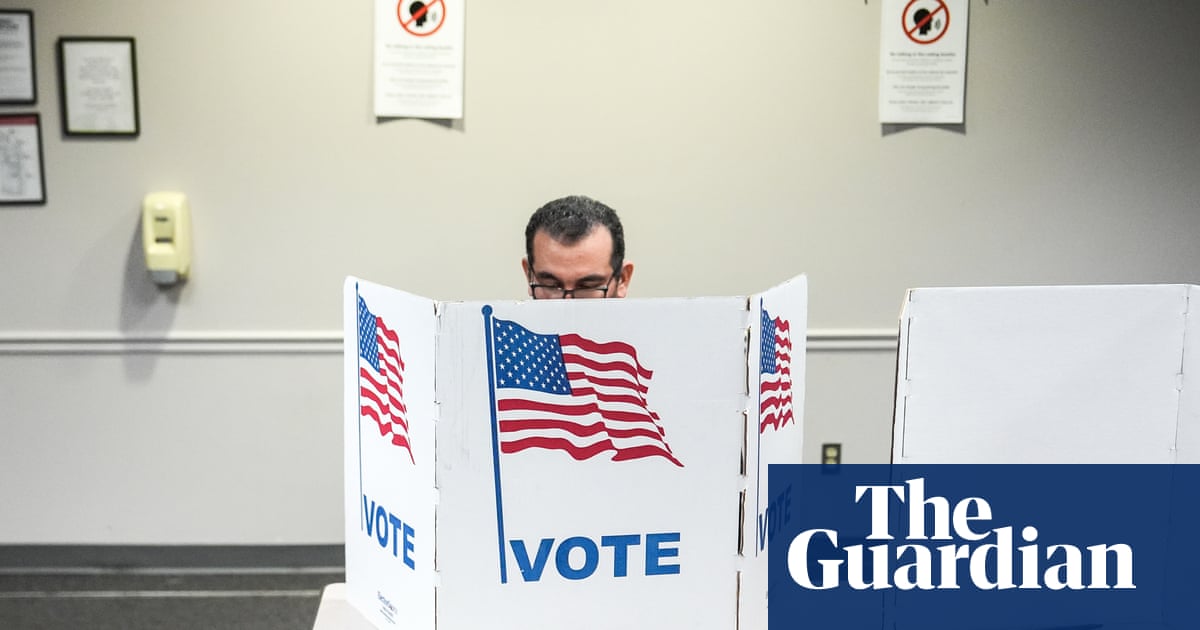
A Virginia court blocked implementation of voter-approved congressional maps after a referendum passed 51.5% to 48.5%, ruling the measure invalid pending litigation. The decision is a procedural setback for Democrats seeking to redraw districts to potentially flip four Republican House seats, and the state attorney general said it will appeal. The ruling adds to the broader mid-decade redistricting battle unfolding across Virginia, Texas, and California.
The immediate market impact is not on cash flows but on the probability distribution for House control. This kind of procedural setback matters because mid-decade redistricting is a low-frequency, high-leverage tool: if it survives appeal, it can change the effective seat map before filing deadlines lock in candidate strategies; if it fails, the whole blue-state retaliation framework loses credibility. The second-order effect is that both parties now have a litigation overlay on top of mapmaking, which increases uncertainty for candidates, donors, and political committees even before voters see a final ballot.
The bigger setup is that Virginia is now a signaling test for whether courts will tolerate referendum language that functionally overrides independent redistricting rules. A fast appeal keeps the issue alive into the next campaign-finance and candidate recruitment window, which means headlines alone can still influence seat-level resource allocation. If the ruling stands, Democrats lose a potential path to net-seat gains and Republicans gain a talking point that may improve turnout elasticity in the handful of competitive districts most sensitive to messaging.
From a portfolio perspective, the cleanest trade is not on this event directly but on the volatility around the broader redistricting arms race. The consensus likely underprices how much each legal win/loss changes downstream ad spending, polling, and candidate quality in swing districts; that creates a recurring catalyst chain over weeks, not days. The contrarian angle is that investors may treat this as mostly symbolic, but even symbolic map uncertainty can shift marginal dollars between House races and Senate/issue advertising, affecting media and political-consulting names more than the underlying electoral probability suggests.
AI-powered research, real-time alerts, and portfolio analytics for institutional investors.
Request TrialOverall Sentiment
neutral
Sentiment Score
-0.05
