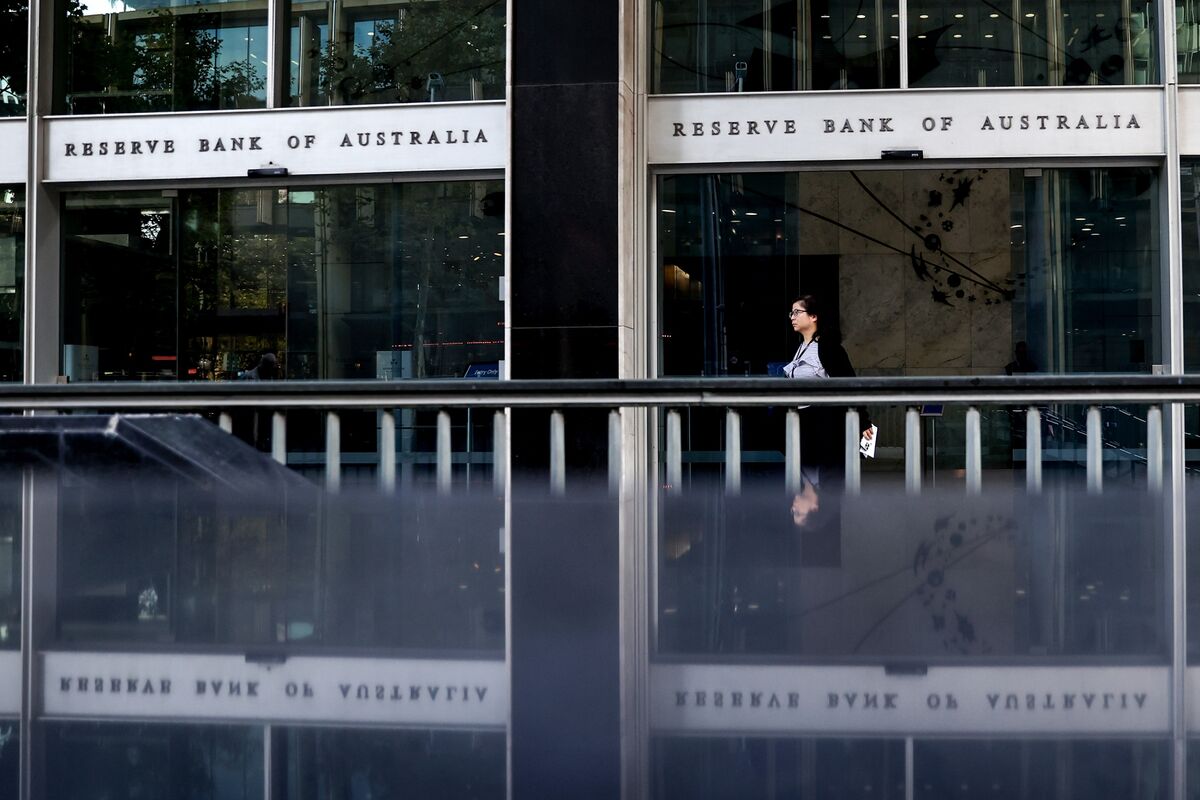
The Reserve Bank of Australia's Sydney headquarters refurbishment has encountered a significant cost blowout and timeline extension, with staff return now delayed until at least 2031. This is due to the discovery of extensive asbestos, necessitating a complete strip-down of the building and nearly quintupling the projected renovation costs. The unexpected challenges underscore the complex construction and regulatory hurdles also impacting Australia's broader housing sector.
The Reserve Bank of Australia's Sydney headquarters refurbishment has encountered a significant operational and fiscal setback, with project costs escalating nearly fivefold and the completion timeline extended to at least 2031. This severe deviation from the original 2018 plan is attributed to the discovery of extensive asbestos, which necessitates stripping the heritage building down to its core steel frame. The incident is presented as a microcosm of the systemic dysfunction within Australia's broader construction industry, highlighting how complex regulations and unforeseen site-specific challenges can derail major projects. The strongly negative sentiment associated with this news underscores the severity of the cost blowout and delay, reflecting poorly on project management and budget oversight. While the direct market impact is low, the event serves as a potent symbol of the entrenched hurdles, including regulatory and legacy building issues, that contribute to cost inflation and inefficiency within the Australian housing and real estate sectors.
AI-powered research, real-time alerts, and portfolio analytics for institutional investors.
Request DemoOverall Sentiment
strongly negative
Sentiment Score
-0.70
