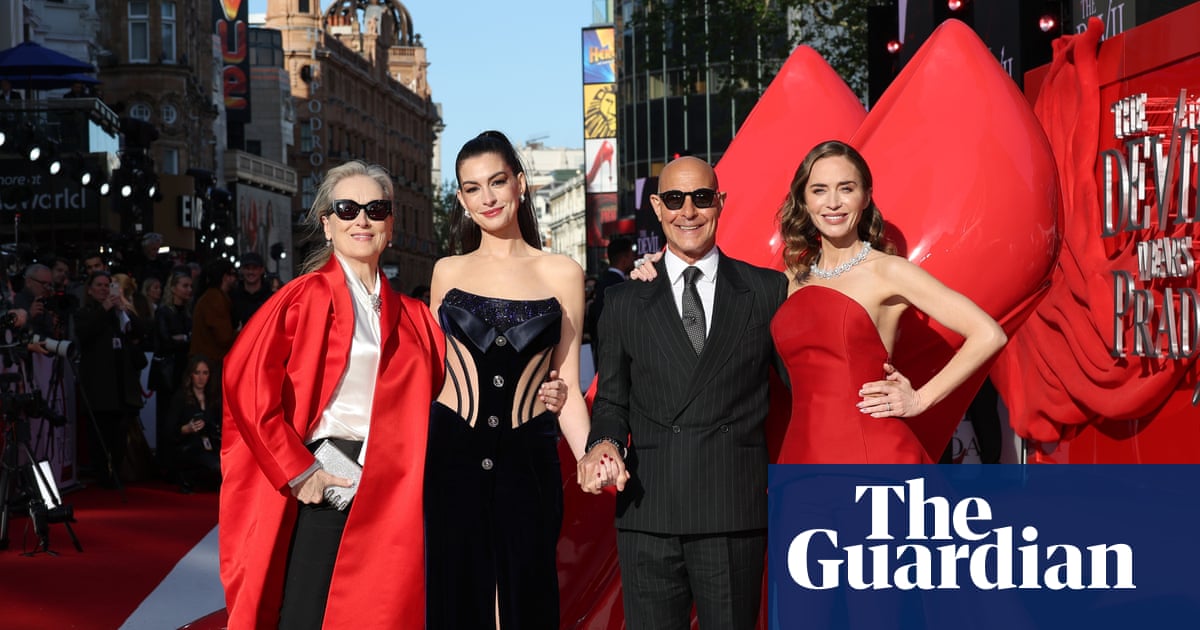
The Devil Wears Prada sequel is generating strong buzz and renewed industry goodwill, with the fashion world embracing the franchise rather than resisting it as in 2003. The article highlights a broader rebound in fashion’s cultural cachet and notes substantial price inflation in designer staples over 20 years: Chanel jackets up 80%, Fendi bags up 147%, Jimmy Choo shoes up 122%, and Hermès scarves up 119%. The news is sentiment-positive for luxury and fashion branding, but likely limited immediate market impact.
The key market signal is not the film itself but the re-monetization of luxury’s cultural authority. When a satirical franchise becomes an industry-sanctioned celebration, it suggests brands are willing to pay up for relevance even in a softer demand environment; that supports pricing power for the highest-equity luxury houses and their marketing ecosystems. The second-order effect is that scarcity and heritage remain more defensible than trend-driven fashion: the market is rewarding brands that can turn cultural cachet into higher AUR without relying on volume growth.
This also reads as a structural endorsement of premiumization amid inflation. The article’s price comparisons imply the consumer has already absorbed substantial sticker shock, but luxury demand has so far proven less elastic than mid-market apparel, especially where logo recognition and legacy status are strongest. That is a warning for mass-market retailers dependent on aspirational trade-down customers: if the top end keeps taking price, middle-tier brands may get squeezed from both sides as consumers either stretch into true luxury or buy cheaper, more functional substitutes.
A more subtle catalyst is media fragmentation. The decline of print reduces the ability of editors to create broad trend adoption, which should lower the value of generic fashion exposure and raise the value of brands with direct-to-consumer, owned-media, and celebrity distribution. Over the next 6-18 months, the key risk is that luxury pricing power becomes a lagging indicator: if Chinese demand remains subdued or US aspirational consumers finally crack under accumulated price increases, the prestige premium could compress quickly, especially in accessories and soft luxury.
Contrarian takeaway: the move is not that luxury is invincible; it is that the winners are increasingly the brands that can manufacture cultural permission to charge more. The market may still be underestimating how much of fashion’s profit pool is shifting from volume to brand equity capture.
AI-powered research, real-time alerts, and portfolio analytics for institutional investors.
Request TrialOverall Sentiment
mildly positive
Sentiment Score
0.20
