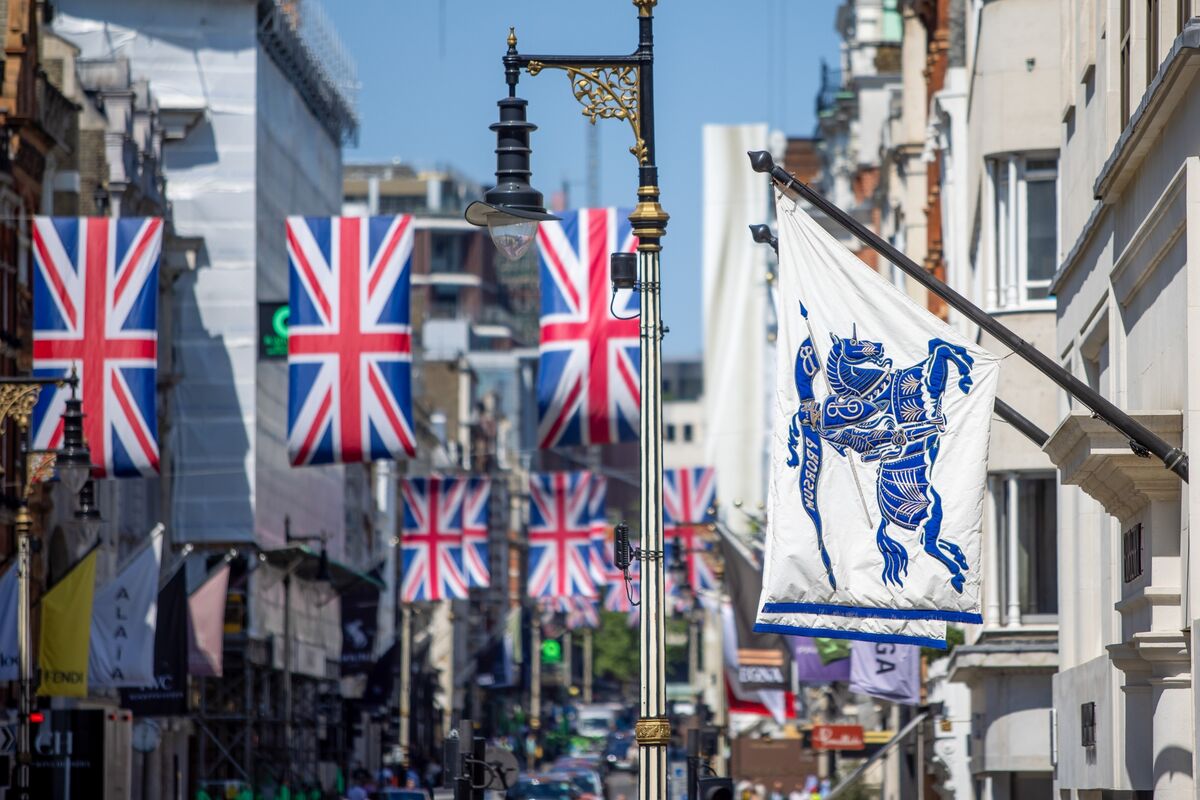
Burberry Group Plc is set to rejoin the FTSE 100 Index later this month, as confirmed by index compiler FTSE Russell, marking its return to the UK's blue-chip benchmark after a one-year absence. This re-entry signifies a notable improvement in the luxury-goods maker's market standing and is likely to attract increased passive investment flows from funds tracking the index.
Burberry Group Plc is confirmed to rejoin the FTSE 100 Index later this month, a significant development following its removal one year prior. This return to the UK's blue-chip benchmark is a key technical catalyst for the stock. The most direct consequence will be mandatory buying from passive investment funds that track the FTSE 100, which will generate a material, non-fundamental demand for the shares leading up to and on the date of inclusion. The event itself signifies a sufficient recovery in Burberry's market capitalization to once again meet the index's criteria, reflecting an improvement in its market standing and investor perception. The strongly positive sentiment associated with this news indicates that the market views this as a restoration of the luxury-goods maker's status among the UK's elite public companies, likely leading to increased visibility and institutional ownership.
AI-powered research, real-time alerts, and portfolio analytics for institutional investors.
Request DemoOverall Sentiment
strongly positive
Sentiment Score
0.60
