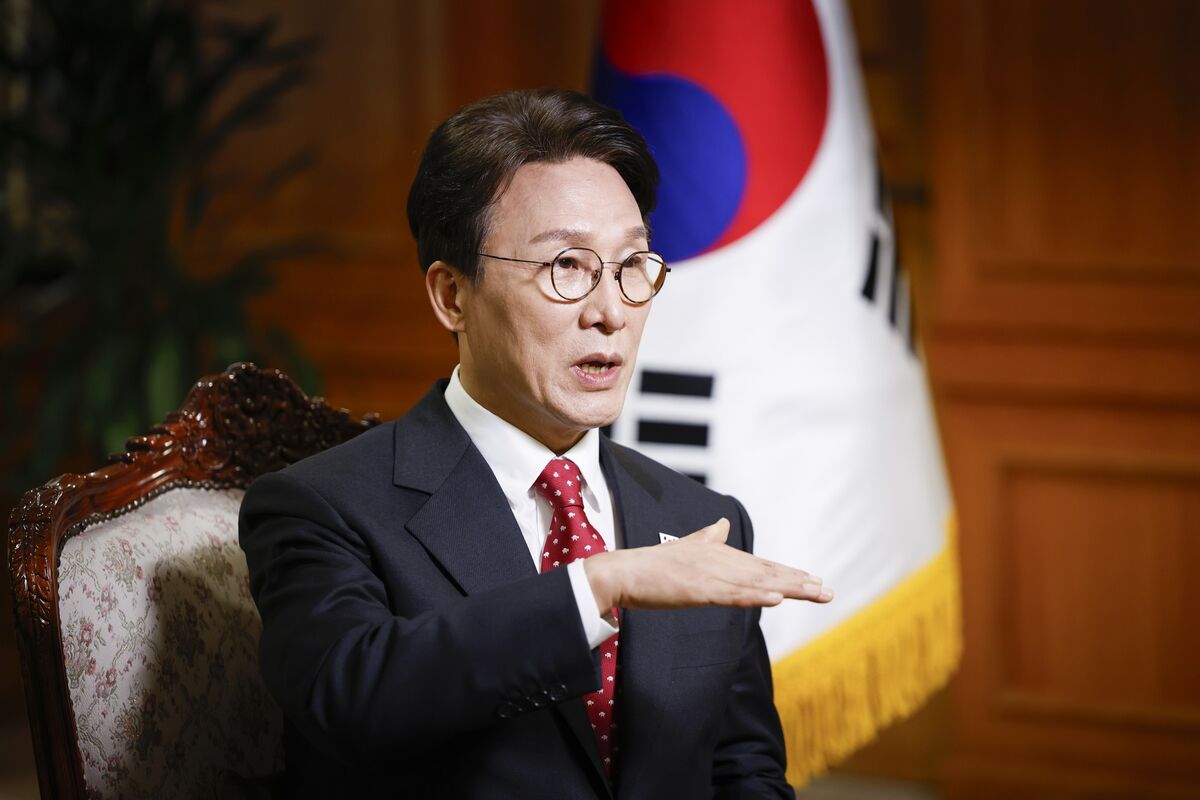
South Korea Prime Minister Kim Min-seok canceled a planned China visit to remain in-country and manage widening economic and livelihood impacts from the Iran war, citing urgent energy-related concerns. The move signals heightened government focus on emergency economic response and could weigh on regional risk sentiment and energy-sensitive sectors in the near term.
The prime minister’s decision to remain in-country materially raises the probability that Seoul will take active, short‑horizon steps to blunt energy and trade disruption rather than relying on diplomatic/market fixes. Expect immediate tactical purchases of spot LNG and expedited long‑term contract negotiations with alternate suppliers; a parallel effect is likely upward pressure on Asian LNG (JKM) versus Henry Hub spreads by 10–30% over weeks if shipping risks persist, because Korea is one of the largest flexible buyers in the market.
Shipping and insurance second‑order costs are the underappreciated transmission mechanism to Korean P&Ls: a reroute around the Strait of Hormuz or higher war-risk premia can add ~10–20% to voyage time and multi‑hundred‑thousand (to low‑millions) USD incremental cost per tanker voyage — this compresses gross margins on exported heavy industrial goods and raises landed semiconductor/auto costs even before commodity price moves feed through. That dynamic favors firms exposed to shipbuilding, LNG logistics and marine services while pressuring energy‑intensive exporters and refiners.
Key catalysts and time horizons: days–weeks for insurance premium moves, spot LNG spikes and emergency policy interventions (fuel subsidies, stockpile releases); 1–6 months for formal LNG contract rollouts and shipbuilding orderflow; 6–24 months for structural shifts (additional LNG capacity, nuclear restarts, diversification of shipping lanes). Reversal risks include rapid diplomatic de‑escalation, coordinated strategic reserve releases, or Korea’s targeted fiscal relief — any of which could cut energy premia by 50%+ inside 2 months and flatten the trade case.
AI-powered research, real-time alerts, and portfolio analytics for institutional investors.
Request DemoOverall Sentiment
mildly negative
Sentiment Score
-0.25
