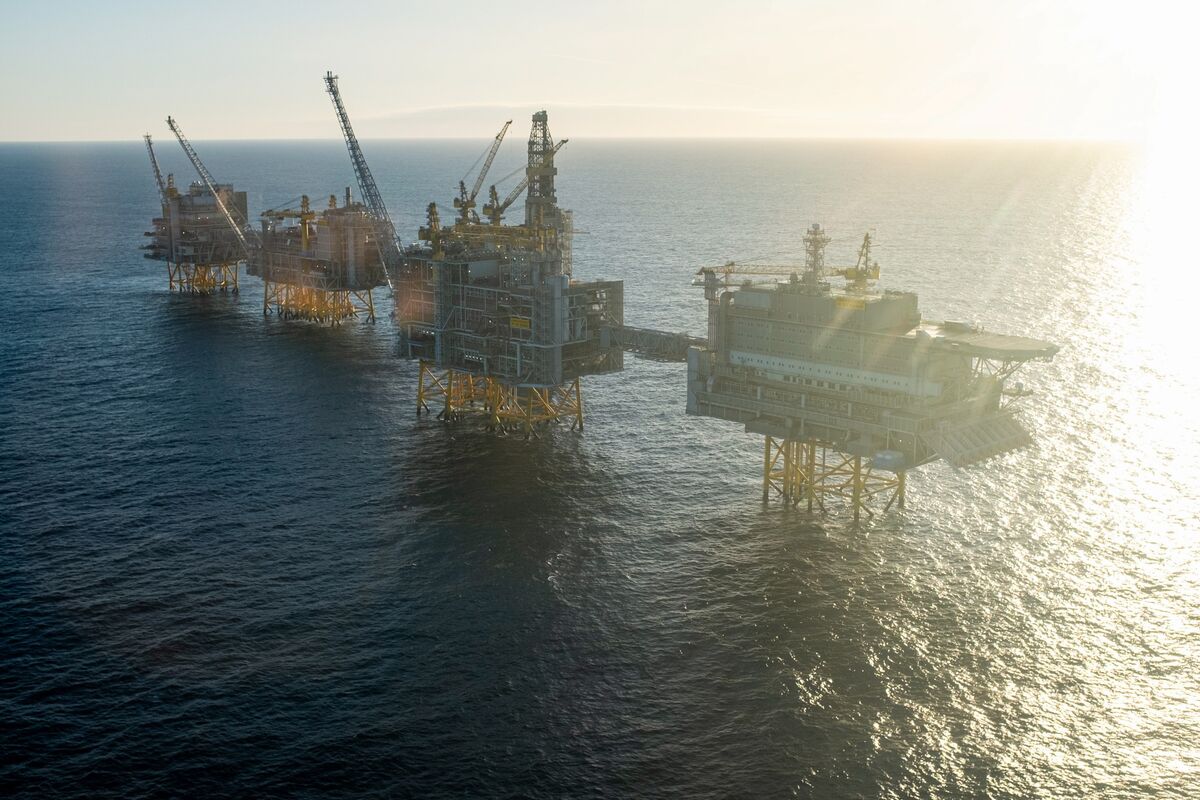
Norway is committing over $15 billion to extract additional oil from its continental shelf through the end of the decade, signaling a strong conviction in sustained long-term global oil demand despite conflicting forecasts from entities like the International Energy Agency. This significant investment by a key European supplier, alongside similar actions by OPEC+, suggests a collective producer belief in continued market need, potentially impacting future supply dynamics and challenging the prevailing energy transition narrative.
Norway's commitment of over $15 billion to expand oil production from its continental shelf through the end of the decade represents a significant, long-term bullish signal for the commodity. This strategic investment by a key European supplier directly contradicts more bearish long-term demand forecasts from bodies like the International Energy Agency. The move is not isolated, as it aligns with actions from OPEC+ to also increase market supply, indicating a collective conviction among major producers in the persistence of global oil demand. This substantial capital expenditure underscores a belief that oil will remain a critical component of the global energy mix, challenging prevailing narratives about an imminent peak in oil consumption and a rapid transition to alternative energy sources. The planned increase in barrels from a stable, non-OPEC producer could have a notable impact on future supply-demand dynamics and price stability in the latter half of the decade.
AI-powered research, real-time alerts, and portfolio analytics for institutional investors.
Request DemoOverall Sentiment
moderately positive
Sentiment Score
0.50
