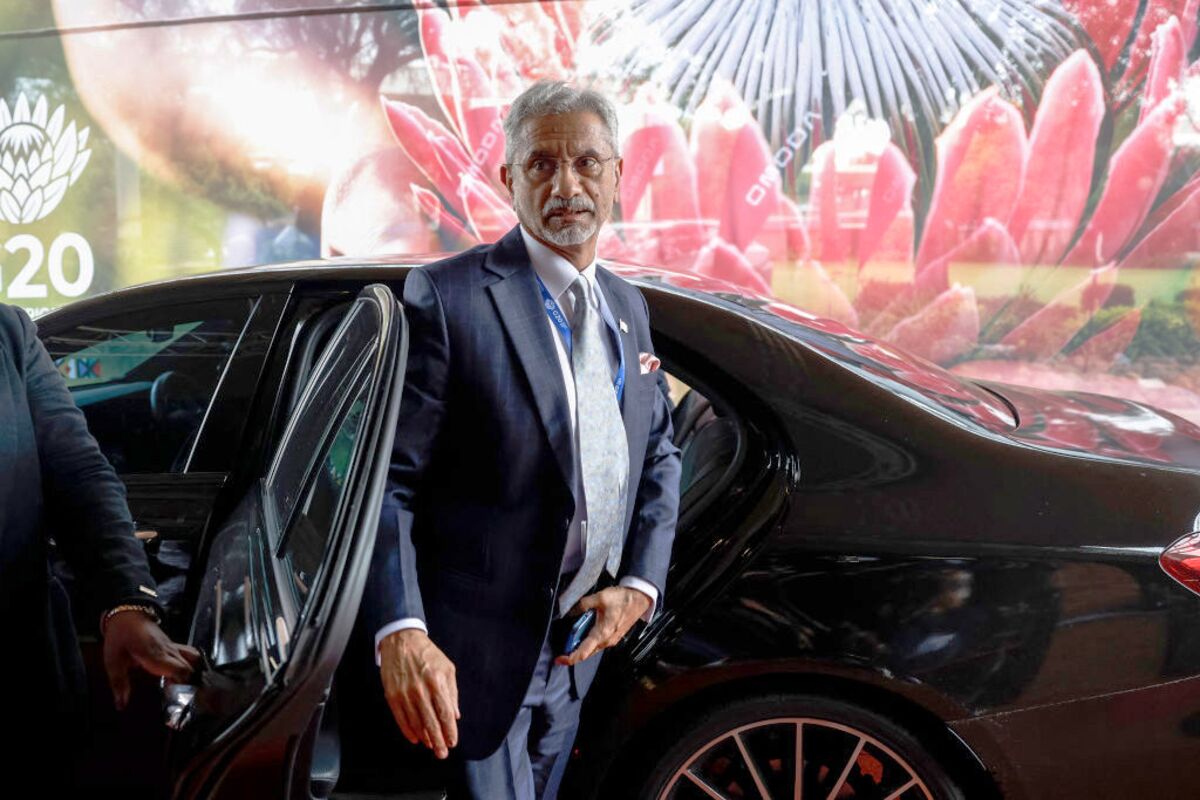
India's External Affairs Minister Subrahmanyam Jaishankar, on his first visit to China since the 2020 border clashes, indicated a steady improvement and stabilization in bilateral ties following the October meeting between Prime Minister Modi and President Xi. This diplomatic development suggests a potential de-escalation of tensions between the two major Asian economies, with Jaishankar noting that continued normalization could yield mutually beneficial outcomes.
A high-level diplomatic visit by India's External Affairs Minister to Beijing, the first since the 2020 border clashes, signals a tangible de-escalation of tensions between the two Asian economic powers. The minister's characterization of bilateral ties as "steadily improving" and "stabilizing," particularly since the October meeting between Prime Minister Modi and President Xi, points to a conscious effort at rapprochement. This development, classified as a geopolitical event with moderately positive sentiment, suggests a reduction in a key regional tail risk. The reference to potential "mutually-beneficial outcomes" from continued normalization may imply a renewed focus on economic cooperation, which had been strained following the military standoff. While the immediate market impact is assessed as low, the shift in diplomatic tone is a significant event for regional stability.
AI-powered research, real-time alerts, and portfolio analytics for institutional investors.
Request DemoOverall Sentiment
moderately positive
Sentiment Score
0.50
