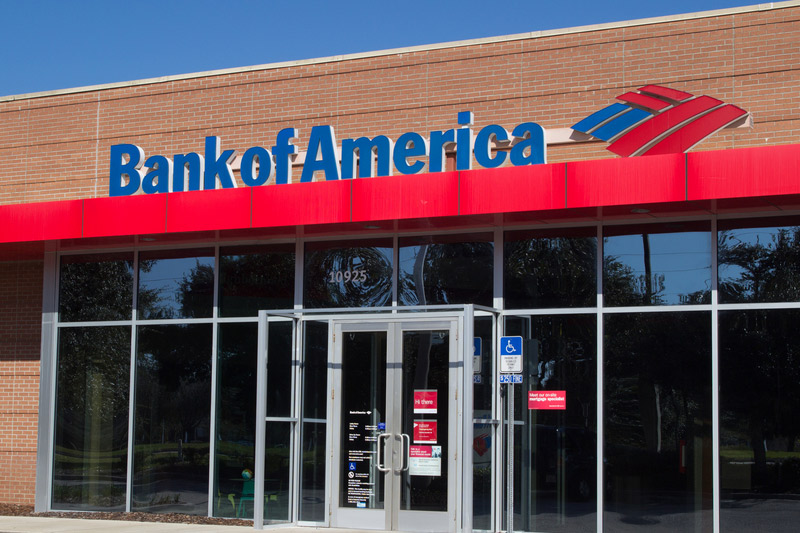
Cardlytics reported Q4 FY2025 revenue of $56.1M, beating the $55.17M consensus by 1.69%, while EPS was a -$0.28 loss in line with expectations. Insider Lynton Hollmeyer sold 40,296 shares at a $0.99 weighted average (~$39.9k) and exercised 85,590 RSUs; Cardlytics also received 1,810,222 shares of PAR Technology common stock from the sale of its Bridg assets. Evercore ISI cut its price target to $1 from $2 (In Line) and BofA cut its target to $0.90 from $1.50, citing the end of the Bank of America partnership and content restrictions at Chase that hurt the Q1 outlook. The combination of partnership losses, analyst target cuts, and an ongoing operating loss signals elevated downside risk and uncertainty for CDLX despite the slight revenue beat.
Cardlytics (CDLX) is operating with concentrated distribution risk that amplifies small changes in partner behavior into outsized revenue volatility; this creates a classic binary outcome where limited runway or renewed access to large bank channels drives most of the next 6–18 month variance. The company’s receipt of equity in a counterparty (PAR) for non-core assets converts a cash problem into a market‑correlated asset-management problem — monetization timing, tax optimization and potential block sales are likely to be the dominant corporate actions rather than operational growth. Analysts’ downgrades and continued content restrictions at large banks compress optionality, increasing the probability of dilutive defensive financings unless management can demonstrate a credible path to stable revenue in one to two quarters. For counterparties and acquirers, PAR’s acquisition of assets creates a path to near-term product expansion and low incremental content costs, meaning PAR’s upside is tied more to execution on cross-selling and integration than to pure market sentiment.
Near-term risks cluster in days-to-weeks (insider liquidity, lockup expiries, block sales of acquired-shares) while medium-term catalysts fall in the 3–12 month window (partner contract renewals, monetization of received securities, quarterly cadence showing stabilization). Tail risks include a forced equity raise or accelerated sale of the PAR stake into a weak market, which would depress both CDLX and PAR simultaneously; conversely, re‑establishing bank placements or converting PAR equity to strategic M&A currency would re-rate CDLX higher. Second-order winners include fintechs and incumbents that can offer alternative bank-distribution primitives — they may see increased pitching activity and potential client wins as banks re-evaluate third‑party advertising models. Market microstructure effects to watch: thin liquidity in CDLX will magnify options implied vol spikes and make hedged, sized plays preferable to naked directional bets.
The consensus view underprices the optionality embedded in the PAR share consideration: management can monetise incrementally and time sales to reduce dilution, creating a non-linear payoff that caps near-term downside relative to a straight bankruptcy scenario. That said, the market’s skepticism is sensible — execution complexity (lockups, tax, accounting) means positive outcomes require 3–12 months of visible progress. For event-driven traders, the setup is a classic elective monetization story where active catalysts (S-4 filing, scheduled lockup expiries, quarterly partner commentary) will create discrete windows for alpha. Position sizing should be asymmetric: limited but concentrated short exposure to the operating company paired with longer‑dated, lower-cost optional exposure to the acquirer/asset holder captures the asymmetric payoff while hedging systemic equity risk.
AI-powered research, real-time alerts, and portfolio analytics for institutional investors.
Request DemoOverall Sentiment
mildly negative
Sentiment Score
-0.25
Ticker Sentiment
