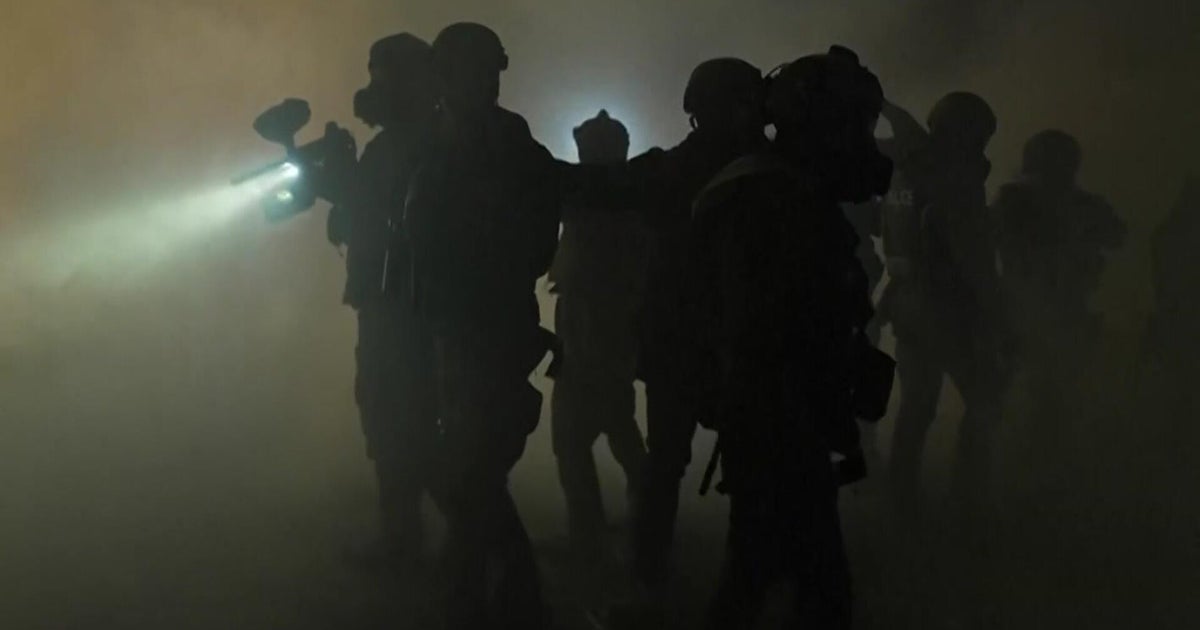
President Trump threatened to invoke the Insurrection Act to deploy federal troops to Minneapolis as Operation Metro Surge — consisting of nearly 3,000 ICE/CBP personnel (including reports of ~800 Border Patrol agents separately) and credited with roughly 2,500 arrests — operates amid protests after an ICE officer fatally shot Renee Good and another officer wounded a Venezuelan national. Judicial and oversight actions are intensifying: a federal judge refused a temporary restraining order against ICE operations, the DOJ said it currently sees no basis for a criminal civil-rights probe, at least six federal prosecutors resigned, Minnesota officials filed suit and called for an economic blackout, and DHS moved to terminate TPS for roughly 2,500 Somali nationals. The episode raises material local political and social risk with potential to depress regional consumer activity and disrupt operations, though it is unlikely to be a direct nationwide market mover.
Market structure: Federal surge (≈3,000 DHS agents reported) creates immediate winners — homeland-security contractors (Palantir PLTR, Leidos LDOS, L3Harris LHX), detention operators (GEO, CXW) and private-security vendors — via near-term contract lift and utilization. Local losers include Minneapolis/St. Paul retail, transit operators and small restaurants (visible drop in ridership/sales); localized economic activity could compress revenues ~5–15% regionally over weeks. Cross-asset: limited national FX/commodities impact; modest risk‑off bids into Treasuries if unrest escalates, and Minnesota muni spreads could widen by 10–30bp on escalation fears.
Risk assessment: Tail risks include invocation of the Insurrection Act (legal/operational escalation), large civil‑liability suits against contractors, or abrupt budget reversals after political backlash; probability low-medium but high impact on revenue recognition. Time horizons: immediate days (volatility, local closures), short-term weeks–3 months (DHS contract announcements, TPS terminations), long-term quarters–years (policy/election-driven funding shifts). Hidden dependency: DOJ/Civil Rights resignations increase litigation and reputational risk for vendors doing law‑enforcement work; federal contracting decisions may be politicized.
Trade implications: Favor option-defined exposure to DHS beneficiaries and avoid large naked longs on detention operators due to litigation risk. Prefer 6–12 month bullish plays on PLTR/LDOS/LHX sized 1–2% portfolio each, and small, hedged long exposure to GEO/CXW (0.5–1%) with protective puts. Consider short small-cap or local retail exposure in Minneapolis (or a regionally concentrated REIT) if stores shutter for >1 week; buy municipal bond protection on MN muni ETF if spreads exceed +20bp vs. muni benchmarks.
Contrarian angles: Consensus focuses on “defense wins”; miss is downside from political backlash — contracts can be paused, and reputational/legal costs can wipe 30–60% off detention/contractor valuations. Historical parallel: 2018–2019 border surges produced early contract wins then re-pricing after oversight; therefore use spreads and tight stops, target event-driven windows (1–3 months) and avoid large multiyear concentration in high‑litigation names.
AI-powered research, real-time alerts, and portfolio analytics for institutional investors.
Request DemoOverall Sentiment
moderately negative
Sentiment Score
-0.45
Ticker Sentiment
