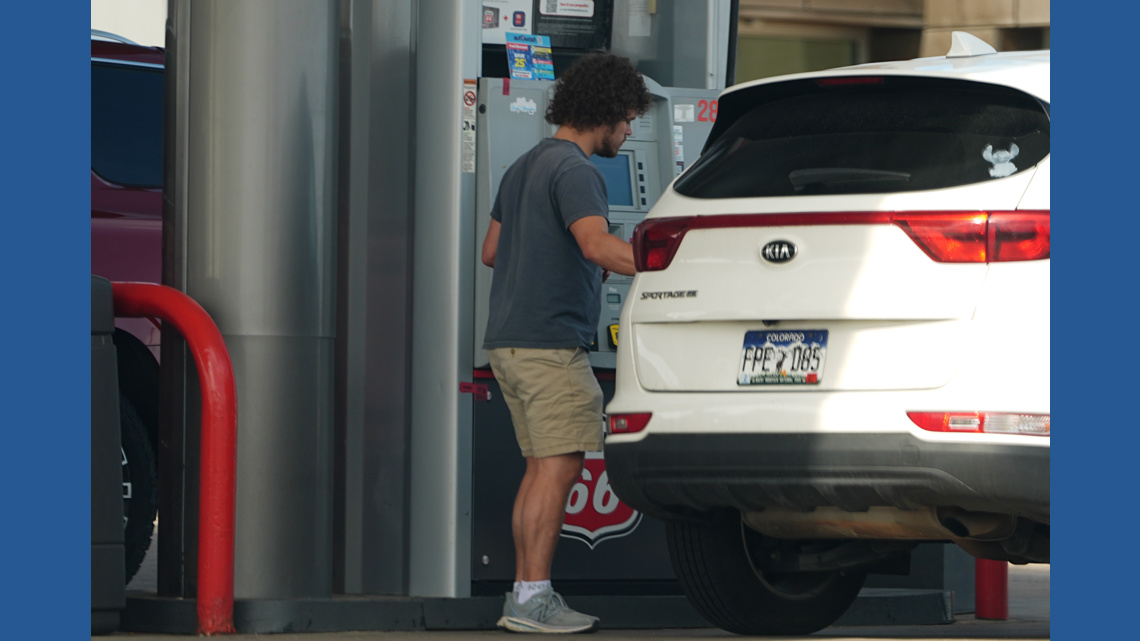
A proposed suspension of the 18.4-cent federal gas tax could save a household about $35 over four months, but the pass-through to consumers is uncertain and may be only about 72% of the tax cut. The policy could also cost the government roughly $8.35 billion in Highway Trust Fund revenue, or about $11.5 billion if diesel taxes are included. With Brent and U.S. crude above $100 a barrel amid the war with Iran, the article frames this as a geopolitical energy shock with fiscal and infrastructure implications.
A federal gas-tax holiday is mostly a distributional gesture, not a price-setting one. The market is already pricing crude as the dominant driver, so the marginal effect is likely to be a short-lived sentiment pop in consumer-facing sectors rather than a durable macro disinflation impulse. The bigger second-order effect is political: policymakers may think they have “acted” on inflation while leaving the real input shock untouched, which reduces the odds of a more meaningful supply-side response in the near term.
The most interesting loser is not oil producers, but infrastructure funding quality. A temporary loss of dedicated fuel-tax revenue increases the probability that projects get delayed, re-scoped, or backfilled with general funds, which is effectively a stealth transfer from future taxpayers to current drivers. That matters for engineering, construction, and municipal finance names with highway exposure: cash flow timing risk rises over the next 2-4 quarters even if headline budgets are formally preserved.
The market may be underestimating the lagged inflation effect if the war persists. Fuel taxes are not the price problem; they are a buffer problem, and removing the buffer can actually amplify volatility by keeping demand elevated exactly when global supply is fragile. If geopolitical tension around transit chokepoints extends for months, the policy could end up modestly pro-inflation by postponing demand normalization while worsening fiscal optics.
Contrarian view: the expected consumer benefit may be overestimated because the policy leaks to refiners, wholesalers, and station-level margins before it reaches households. That makes the political payoff uncertain and lowers the odds of follow-through on a full multi-month suspension. The higher-probability path is a noisy headline trade with limited pass-through and a fast reversion once crude or retail gasoline prices move again.
AI-powered research, real-time alerts, and portfolio analytics for institutional investors.
Request DemoOverall Sentiment
mildly negative
Sentiment Score
-0.15
