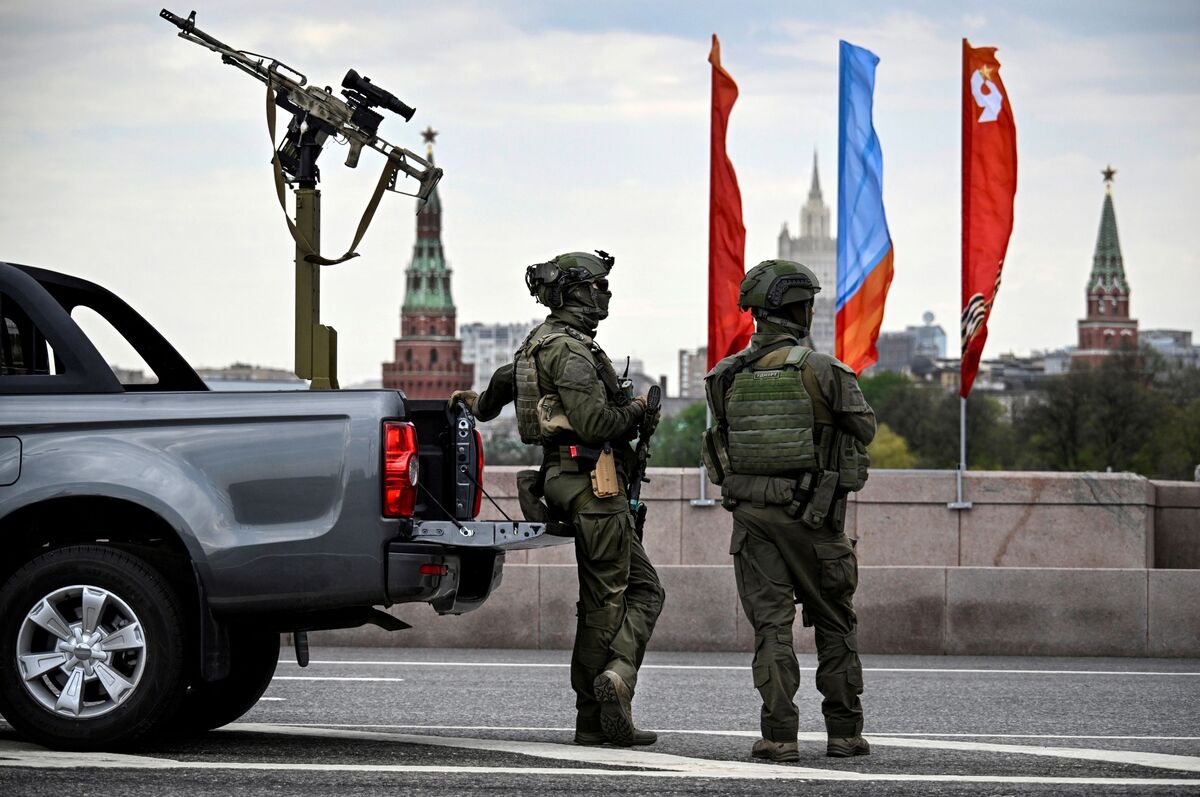
Russia is conducting three days of nuclear preparedness drills involving more than 64,000 troops, 200 missile launchers, 140 aircraft, 73 surface ships and 13 submarines, while Putin is in Beijing for talks with Xi Jinping. The exercise includes the Strategic Missile Forces, Northern and Pacific Fleets, and Long-Range Aviation Command. The event underscores elevated geopolitical and defense tensions, with potential implications for global risk sentiment.
This is less about immediate battlefield utility than signaling: a large nuclear-readiness exercise alongside high-level China diplomacy raises the perceived tail risk of a more coordinated Eurasian security posture. For markets, the first-order impact is usually modest, but the second-order effect is a higher global risk premium around defense spending, sanctions enforcement, and critical infrastructure resilience, especially in Europe and Asia. That tends to support names tied to munitions, air/missile defense, secure comms, and hardened infrastructure rather than broad defense beta.
The biggest near-term beneficiary is likely the supply chain upstream of weapons production: propellants, energetics, guidance components, and radar/interceptor capacity. If policymakers interpret this as escalation signaling rather than theater, procurement urgency shifts from multi-year budget plans to faster order timing, which can compress lead times and improve pricing power for suppliers with existing capacity. Conversely, commercial cyclicals with high Europe exposure can face a small but real multiple compression if gas, freight, or insurance costs reprice on headline risk.
The contrarian read is that this may be a pressure-release valve and messaging event rather than a prelude to action; markets often over-discount nuclear rhetoric when actual escalation remains low. If that’s right, the trade opportunity is in buying defense on dips rather than chasing an abrupt spike, and fading broad risk-off in equities if energy and FX don’t confirm. The key catalyst window is days, not months: watch whether allied governments respond with concrete procurement, sanctions, or force posture changes; without that, the move likely retraces quickly.
AI-powered research, real-time alerts, and portfolio analytics for institutional investors.
Request DemoOverall Sentiment
mildly negative
Sentiment Score
-0.20
