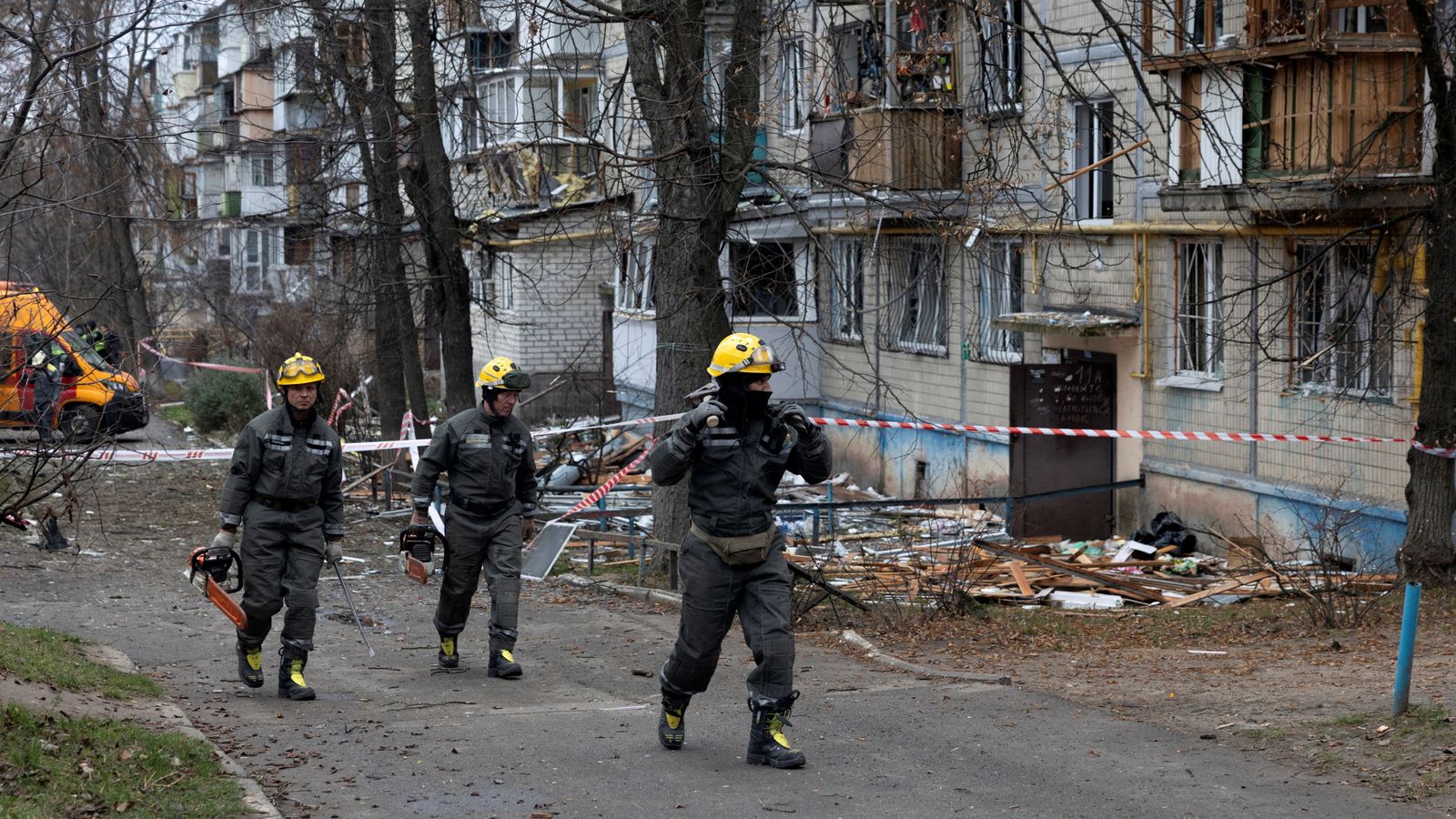
The US and Ukraine disclosed an updated 20-point peace plan that includes options for demilitarised or free economic zones in occupied eastern areas, robust Article‑5 style security guarantees, EU membership aspirations, and maintaining Ukraine’s army at 800,000 personnel; the proposal also envisions a US‑led consortium role over the Zaporizhzhia nuclear plant. Negotiators remain far apart on territorial issues and Zelensky has signalled the need for leader‑level talks, while recent deadly bombings in Moscow and a massive Russian aerial attack this week underscore ongoing military escalation. For investors, the package raises political and implementation risk that keeps risk premia elevated, with potential implications for energy markets, European defense suppliers and emerging‑market exposure to Ukraine/Russia volatility.
Market structure: A US-backed 20-point plan that contemplates free economic zones and strong security guarantees raises the probability of prolonged asymmetric conflict plus phased diplomacy. Expect sustained demand for defense contractors (LMT, RTX, NOC) and energy security plays (LNG exporters, XLE) over 3–12 months; European commercial travel, insurance, and regional banks face revenue pressure and widening credit spreads. Commodity supply signals are mixed: Ukrainian grain and Ukrainian/Black Sea transit disruptions keep food-price tail risk elevated, while constrained Russian energy plus winter demand supports TTF/Brent valuations near-term.
Risk assessment: Tail risks include an escalatory Russian response (full mobilization, expanded strikes, or a nuclear-plant incident) with low probability but severe market shock; price shock scenarios: Brent +30% and European gas +50% inside 30–90 days. Immediate (days) impact is volatility spikes and safe-haven flows (USD, USTs); short-term (weeks–months) sees sector rotation toward defense/energy; long-term (years) outcome depends on diplomatic settlement and reconstruction flows. Hidden dependencies: US domestic politics (leadership-level meetings) and EU fiscal response are binary catalysts that can quickly compress or widen risk premia.
Trade implications: Favor tactical longs in prime defense names and LNG exporters, paired with short exposure to Russia-linked assets and European banks; implement defined-risk option structures to capture VIX elevation. Use staggered entries (tranches over 1–4 weeks) to avoid front-run volatility; set explicit triggers (e.g., >50 drone/missile launches in 7 days or EU energy aid >€50bn) to scale positions.
Contrarian angles: Consensus may overpay for long-duration permanent defense gains—if a credible settlement or demilitarized/free-zone referendum reduces active hostilities within 6–12 months, defense equities could mean-revert 15–30%. Conversely, markets may underprice reconstruction winners (construction materials, Ukrainian agribusiness suppliers) which could rally on EU accession path; favor tactical, option-backed exposure rather than full cash positions to avoid policy reversals.
AI-powered research, real-time alerts, and portfolio analytics for institutional investors.
Request DemoOverall Sentiment
moderately negative
Sentiment Score
-0.50
