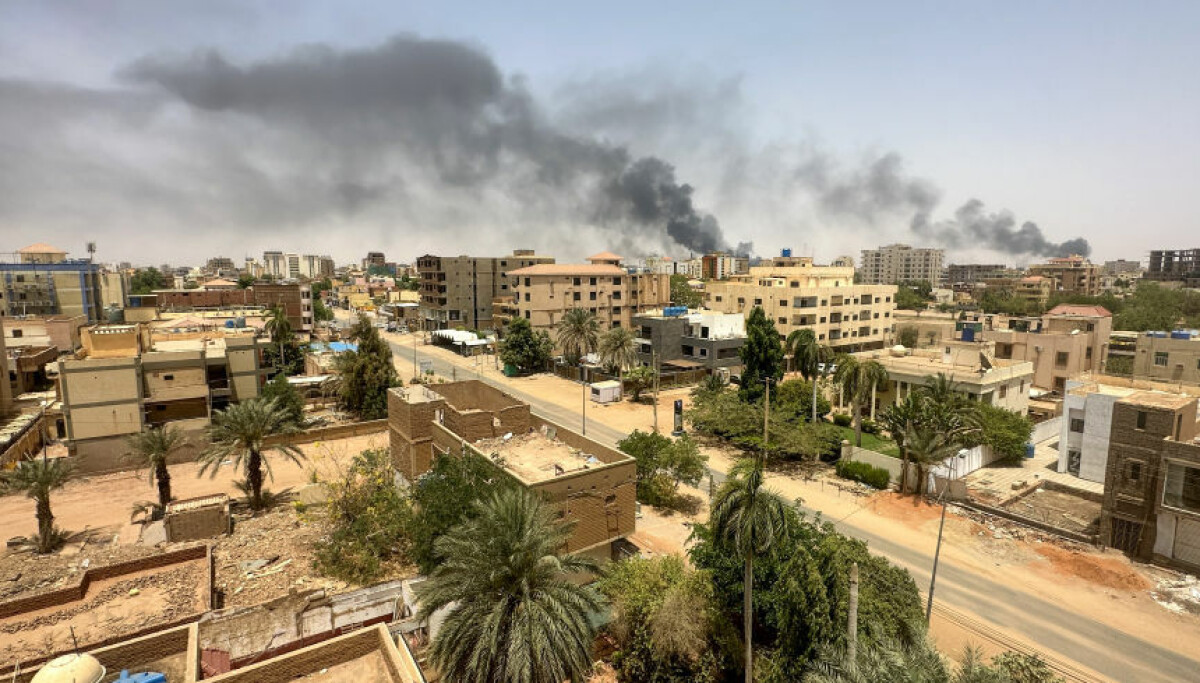
Reuters reports that Ethiopia is allegedly hosting a secret training camp in Benishangul-Gumuz that had trained about 4,300 Rapid Support Forces fighters by early January, with sources claiming UAE financing and logistics — a development that raises regional security risks and infrastructure concerns after satellite imagery showed camp expansion and upgrades at Asosa airport. Kenya is cracking down on illegal recruitment of citizens into Russia’s war in Ukraine amid broader African recruitment concerns (Ukrainian intelligence estimates ~1,400 Africans fighting for Russia), while a U.S.-DRC minerals-for-security pact granting Washington preferential access to cobalt and coltan faces constitutional legal challenge in Kinshasa that could constrain export/contract certainty. Together these items heighten political and sovereign risk in key African markets, pose potential supply-chain and commodity-price implications for critical battery materials, and warrant increased due diligence on regional investments and policy-exposure.
Market structure: The stories shift near-term risk premium into African sovereign debt, mining/export logistics, and defense-related capex. Battery metals suppliers (cobalt/coltan) and mid-tier miners with DRC exposure are asymmetric beneficiaries if DRC access to US markets continues; estimate a 15–30% realized supply-risk premium on refined cobalt if eastern DRC exports are disrupted. EM sovereign spreads (DRC, Ethiopia, Guinea) should trade +100–300bp wider versus peers over next 1–3 months, pressuring local FX and EM sovereign ETFs.
Risk assessment: Tail scenarios include (1) regional escalation (Ethiopia–Sudan spillover) causing port/logistics shutdowns and a 20–40% hit to copper/cobalt flows over 3–6 months; (2) U.S./EU sanctions on third parties (e.g., UAE-linked facilitators) that freeze projects for 6–18 months. Hidden dependencies: existing Chinese offtake contracts and port insurance capacity can mute price shocks; catalysts to watch are UN/Reuters confirmations, a Kinshasa court ruling (30–90 days), and U.S. policy statements.
Trade implications: Favor liquid, directional exposure to battery metals and convex hedges on EM risk. Tactical: buy battery-metal/EV exposure (LIT, IVPAF/IVN) with hedges in EMB puts; add selective long positions in mining names with scalable optionality. Reduce duration in African sovereign credit and add CDS/put protection if spreads breach +200bp versus EMB baseline.
Contrarian angles: Consensus fears of permanent supply loss may be overstated—historical analog (Libya 2011) saw commodity spikes fade in 6–12 months as alternate logistics and stock drawdown filled gaps. If the Kinshasa challenge fails or is settled within 60–120 days, miners could gap up; conversely, over-penalized African sovereigns can offer 6–8% carry once volatility normalizes. Watch insurance/charter rate moves as leading indicators of real trade disruption.
AI-powered research, real-time alerts, and portfolio analytics for institutional investors.
Request DemoOverall Sentiment
moderately negative
Sentiment Score
-0.45
