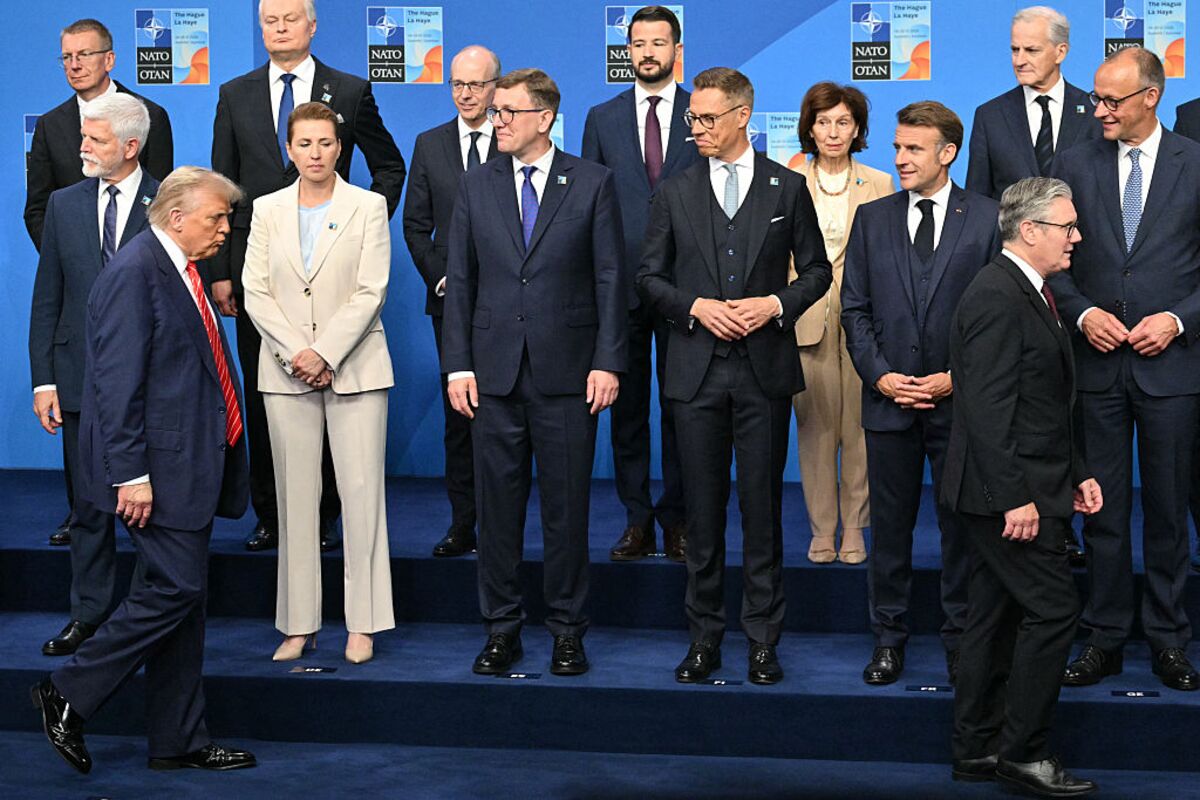
NATO leaders have agreed to significantly increase defense spending to 5% of GDP and renewed their "ironclad commitment" to mutual security, including Article 5, in a strategic move to counter an increasingly belligerent Russia. This decision, reached at the Hague summit, marks a notable policy shift and represents a political victory for US President Donald Trump, who has consistently advocated for higher allied contributions, and NATO Secretary General Mark Rutte.
NATO's historic agreement to increase member defense spending to 5% of GDP represents a substantial fiscal commitment aimed at enhancing collective security in response to perceived Russian belligerence. This policy shift, confirmed at the Hague summit, signals a significant and sustained increase in government procurement for the defense sector across member nations. The renewal of the 'ironclad commitment' to Article 5, coupled with the new spending target, strengthens the alliance's deterrent capabilities and addresses long-standing US demands for greater burden-sharing from European allies. This development implies a major, long-term tailwind for defense contractors and related industries, as member states will need to substantially ramp up military hardware, technology, and infrastructure investments to meet this ambitious new target.
AI-powered research, real-time alerts, and portfolio analytics for institutional investors.
Request DemoOverall Sentiment
moderately positive
Sentiment Score
0.50
