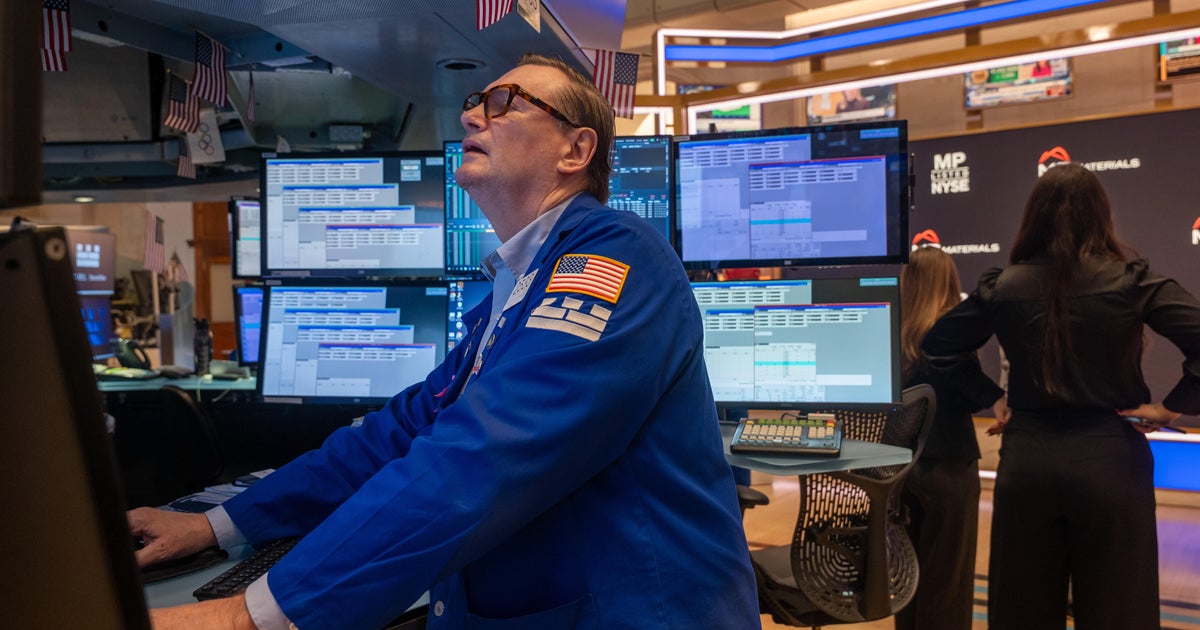
The Dow surged 1,076 points (+2.4%) while the S&P 500 rose 2.1% and the Nasdaq gained 2.4% after President Trump delayed an ultimatum to Iran and said the U.S. was in "good and productive" talks. Brent crude fell to as low as $96/bbl before settling around $101.26 (from nearly $120 last week) and WTI traded down to $84 then near $90.11; crude remains about 45% above pre-war levels and U.S. pump prices average $3.96/gal (up >$1 month-over-month). Markets rallied on reduced near-term escalation risk, but upside depends on verifiable diplomatic progress given contradictory statements from Iran.
Winners will be those with direct operating leverage to energy-price or logistics shocks (mid-to-small cap E&P, spot tanker owners, and war-risk insurers) and those able to monetize higher freight or storage spreads quickly. Second-order beneficiaries include ports and bunkering hubs that capture reroute fees, P&I and hull insurers who can re-price war-risk premiums, and refinery complexes with access to cheaper inland crude streams that widen crack spreads versus coastal peers.
Key risks cluster by horizon: days–weeks are dominated by headline-driven reversals (messaging that proves hollow or rapidly changing tactical incidents); months see embedded higher fuel costs translating into margin compression for consumer discretionary and transport, and persistent insurance premia that raise effective trade costs. A material re-escalation of kinetic strikes on energy infrastructure would snap insurance and OTR (on-time-reliability) dynamics, producing rapid upside in oil, shipping rates, and defense equities.
Market structure amplifiers matter: options desks are short-gamma in cyclicals and commodities-sensitive names, so headline relief can produce a mechanically large rally that fades without verification, while volatility sellers are exposed to regime switches. That makes asymmetric, event-driven positioning attractive — small, convex exposures that benefit from either a de-escalation verification or a re-tightening of the conflict, combined with tight stop and/or hedges to avoid headline whipsaw losses.
AI-powered research, real-time alerts, and portfolio analytics for institutional investors.
Request DemoOverall Sentiment
moderately positive
Sentiment Score
0.30
Ticker Sentiment
