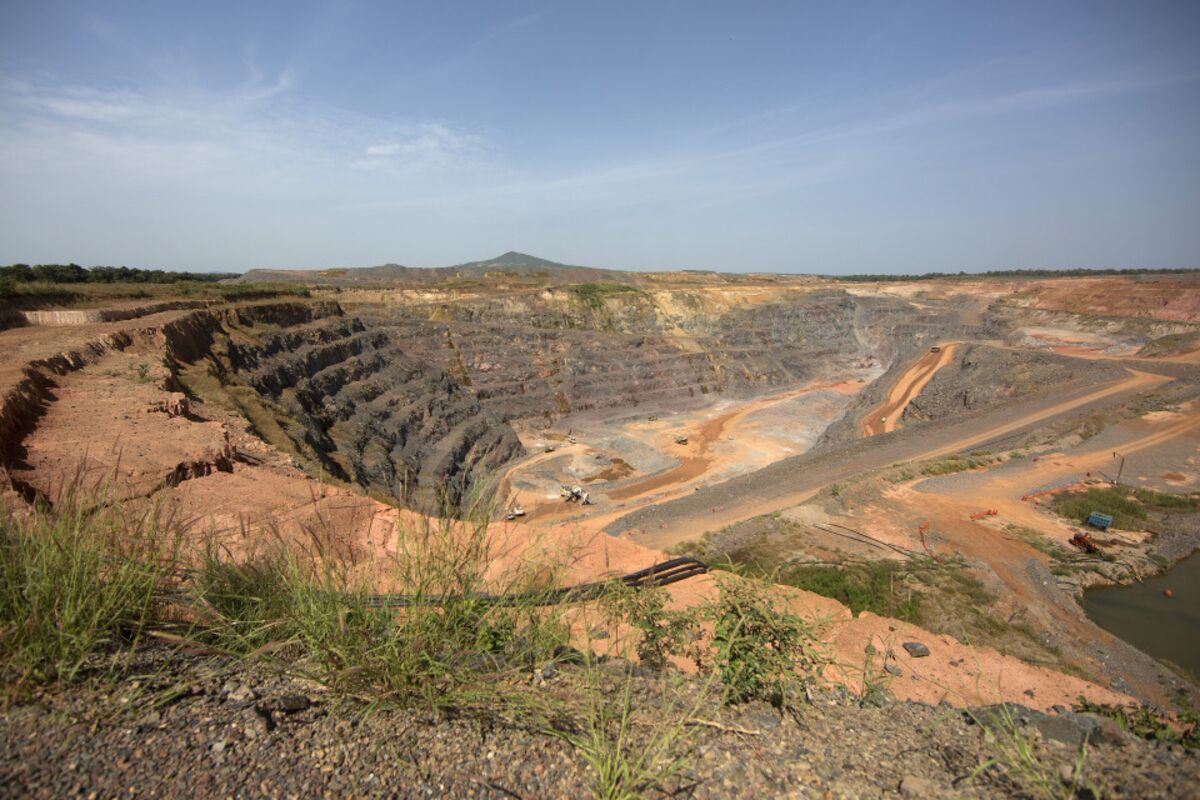
Barrick Mining said several employees who had been detained in Mali for more than a year were released this week under a broader agreement with Mali’s military leadership that ends a two-year dispute and reopens one of the company's key gold operations. The deal removes a major operational overhang and could allow a return of production at the shuttered site, reducing geopolitical risk to Barrick’s asset base and improving visibility for investors, though the article provides no production or timing details.
Market structure: Reopening Barrick’s Malian operation (Barrick Gold - GOLD) restores a material portion of global mine supply (likely mid-single-digit percent of Barrick group output; ~1-2% of global annual gold supply) which incrementally reduces the marginal scarcity premium for gold producers. Direct winners are large-cap diversified miners (GOLD, NEM) and Mali’s fiscal receipts; losers are small regional juniors and local artisanal miners whose short-run revenues and pricing power are weakened. Cross-asset: expect GOLD equity to outperform bullion in the first 30 days, tightening of Barrick credit spreads by 25–75bp, a modest downward impulse to spot gold (-$10–$30/oz range) and reduced implied volatility in miner options over 1–3 months.
Risk assessment: Primary tail risks are renewed political reversal or insurgent attacks that suspend operations again, expropriation-like fiscal demands, or protracted restitution litigation — each could wipe out 20–60% of incremental valuation. Immediate (days) risk is headline-driven volatility; short-term (weeks–months) is operational restart and security costs, long-term (quarters–years) is altered fiscal/royalty regime and community agreements reducing free cash flow by perhaps 5–15%. Hidden dependencies include insurance coverage exclusions for military regimes and conditional debt covenants tied to force majeure claims that could trigger rating actions.
Trade implications: Initiate a modest, tactical overweight in GOLD (establish 2–3% portfolio long) within 1–2 weeks, scale to 4–6% if Barrick confirms measurable ramp (first production update within 90 days). Pair trade: long GOLD vs short Newmont (NEM) sized 1:0.6 to capture idiosyncratic reopening upside while hedging bullion direction. Options: implement a 6–12 month call spread on GOLD (buy ATM 12-month call, sell ~25% OTM call) sized 1–2% notional to cap premium and target 20–40% return. Reduce/selectively underweight small-cap West Africa-focused miners and GDXJ by 3–5% until security clauses and fiscal terms are public.
Contrarian angles: Consensus may underweight the balance-sheet improvement from resumed cash flow; however the market likely underprices the structural security/fiscal risk — reopening could bring near-term multiple expansion (+10–25%) but persistent revenue-sharing demands could compress margins by >10% over two years. Historical parallels (miners resuming African operations) show rebounds can be reversed within 6–18 months if local terms change; set hard stop-losses and exit triggers (see decisions) to avoid being caught in a regime reversal. Monitor three catalysts closely: Barrick’s 30/60/90-day production updates, Mali’s written fiscal agreement terms within 30 days, and one-year security incidents frequency; adverse readings should trim positions immediately.
AI-powered research, real-time alerts, and portfolio analytics for institutional investors.
Request DemoOverall Sentiment
mildly positive
Sentiment Score
0.30
Ticker Sentiment
