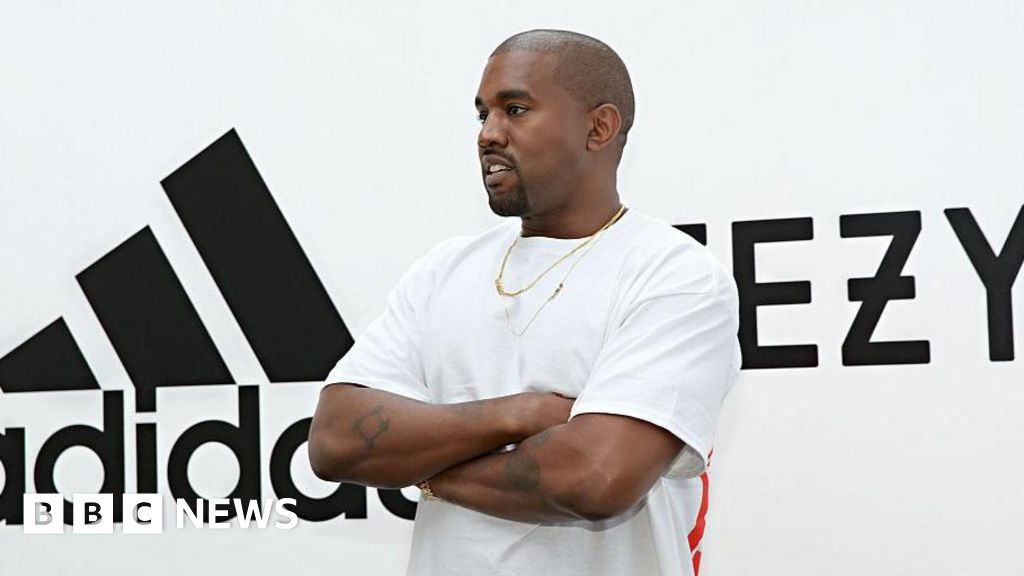
The 9th US Circuit Court of Appeals upheld a district court dismissal of a shareholder class action alleging Adidas hid misconduct by Kanye West (Ye) prior to the collapse of their Yeezy partnership. The breakup, triggered by West's antisemitic comments, had previously cost Adidas hundreds of millions, wiped out significant market value in 2023, and left more than €1bn of Yeezy inventory in storage; Yeezy had generated roughly €1.5bn in sales in 2021. The appeals court found that risks of celebrity partnerships are inherent and that Adidas did not mislead investors, reducing one layer of litigation risk for the company.
Market structure: The appeals court ruling removes a material legal overhang for Adidas (ADS.DE/ADDYY) and should incrementally restore investor confidence; however the business still faces a tangible supply overhang — ~€1bn+ inventory — that implies near-term margin dilution or fire-sale pricing if monetized quickly. Winners: Adidas (realizing recovery optionality), competitors able to capture incremental branded demand (NKE, PUM.DE), and retailers of non-Yeezy product lines; losers: resale markets and mall-centric apparel names that rely on celebrity-driven spikes. Cross‑asset: expect modest tightening in Adidas credit spreads over 3–12 months, a 10–20% pullback in implied equity vol for Adidas if litigation risk priced out, and negligible FX/commodity moves beyond EUR credit flows.
Risk assessment: Tail risks include a renewed consumer boycott or new revelations forcing deeper markdowns (>€1bn) that could knock 150–300bps off operating margin in a quarter — low probability but high impact. Immediate (days) reaction is likely muted; short-term (weeks–months) depends on Qs and monetization cadence; long-term (quarters–years) hinges on brand recovery and product pipeline. Hidden dependencies: resale channel dynamics, wholesale partners’ willingness to buy discounted inventory, and reputational contagion to other celebrity deals. Catalysts: Adidas Q1/Q2 sales release, inventory sale program milestones within 30–90 days, and any renewed media/legal developments.
Trade implications: Construct modest, hedged exposure to Adidas: establish a 2–3% long position in ADS.DE within 2 weeks targeting +20–30% upside over 6–12 months, with a 12% stop-loss and an exit if inventory monetization guidance is delayed >90 days. Options: size a 0.5–1% portfolio bet via a 6‑month debit call spread (buy ATM, sell ~25% OTM) paired with a protective 3‑month put ~12% below current to cap downside. Pair trade: long ADS.DE (2%) / short GPS (0.75%) over 3–9 months to capture brand recovery vs mall retail secular weakness; close if spread narrows <5% in 30 days.
Contrarian angles: Consensus underestimates execution risk — the court win removes legal uncertainty but does not restore lost 2022 demand or fix excess inventory; markets often re-rate only after visible margin recovery, not judicial relief alone. Reaction may be underdone if Adidas communicates a clean, staged monetization plan (could compress implied vol by 20–40% and drive >20% stock move). Historical parallels: celebrity-driven collapses (e.g., brands losing partners) show 6–12 month recoveries when inventories are recycled prudently; if Adidas botches sales, downside tail could exceed 30% — hence small, hedged positions.
AI-powered research, real-time alerts, and portfolio analytics for institutional investors.
Request DemoOverall Sentiment
neutral
Sentiment Score
0.05
Ticker Sentiment
