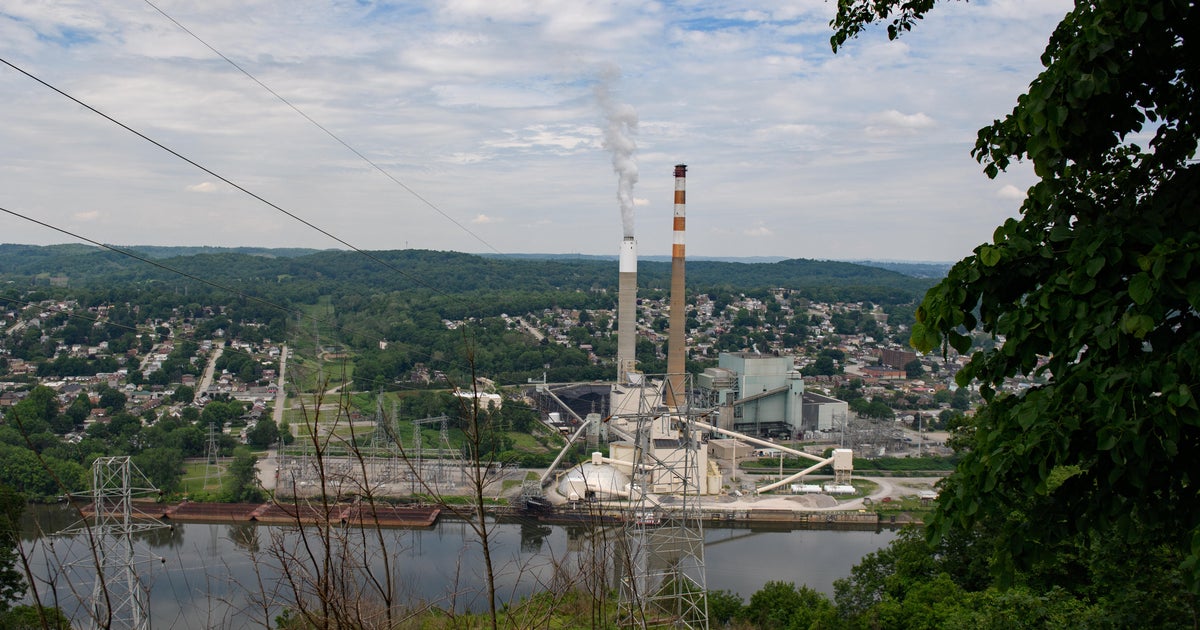
U.S. utility costs are rising significantly, with electricity up 5.5% and natural gas 13.8% year-over-year, driven by surging demand from AI data centers, electrification, and industrial activity, alongside supply chain disruptions. While 2,600 GW of new generation, primarily renewables, await grid connection, transmission bottlenecks, equipment shortages, and tariffs are hindering supply expansion. Critically, new Trump administration energy policies, including the 'One Big Beautiful Bill Act' and orders to keep uneconomic coal plants online, are projected to further escalate wholesale energy prices by 74% by 2035 and increase household bills, effectively dismantling clean energy initiatives and exacerbating supply constraints despite their cost-effectiveness.
A significant structural imbalance in the U.S. energy market is driving substantial cost increases, with electricity and natural gas prices rising 5.5% and 13.8% year-over-year, respectively. The primary demand driver is the rapid expansion of power-intensive technologies, notably artificial intelligence data centers, which can consume up to ten times more energy than conventional centers, alongside broader electrification. This has led to forecasts of a 15% (120 gigawatt) increase in required capacity by 2030. However, supply is severely constrained not by a lack of potential generation, but by a critical bottleneck in transmission infrastructure. Over 2,600 gigawatts of new energy projects, 95% of which are solar, wind, and battery storage, are currently stalled awaiting grid connection. This supply-side paralysis is exacerbated by new federal energy policies under the Trump administration, which actively curtail renewable project development and promote fossil fuels. The 'One Big Beautiful Bill Act' is projected by Energy Innovation to increase wholesale energy prices by 74% by 2035 and raise average household bills by $170 annually. Furthermore, regulatory orders forcing uneconomic coal plants to remain operational are expected to pass over $3.1 billion in annual costs to ratepayers, directly contradicting market dynamics where renewables are cited as the cheapest and most readily deployable energy sources.
AI-powered research, real-time alerts, and portfolio analytics for institutional investors.
Overall Sentiment
Negative
Sentiment Score
-0.75
Ticker Sentiment
