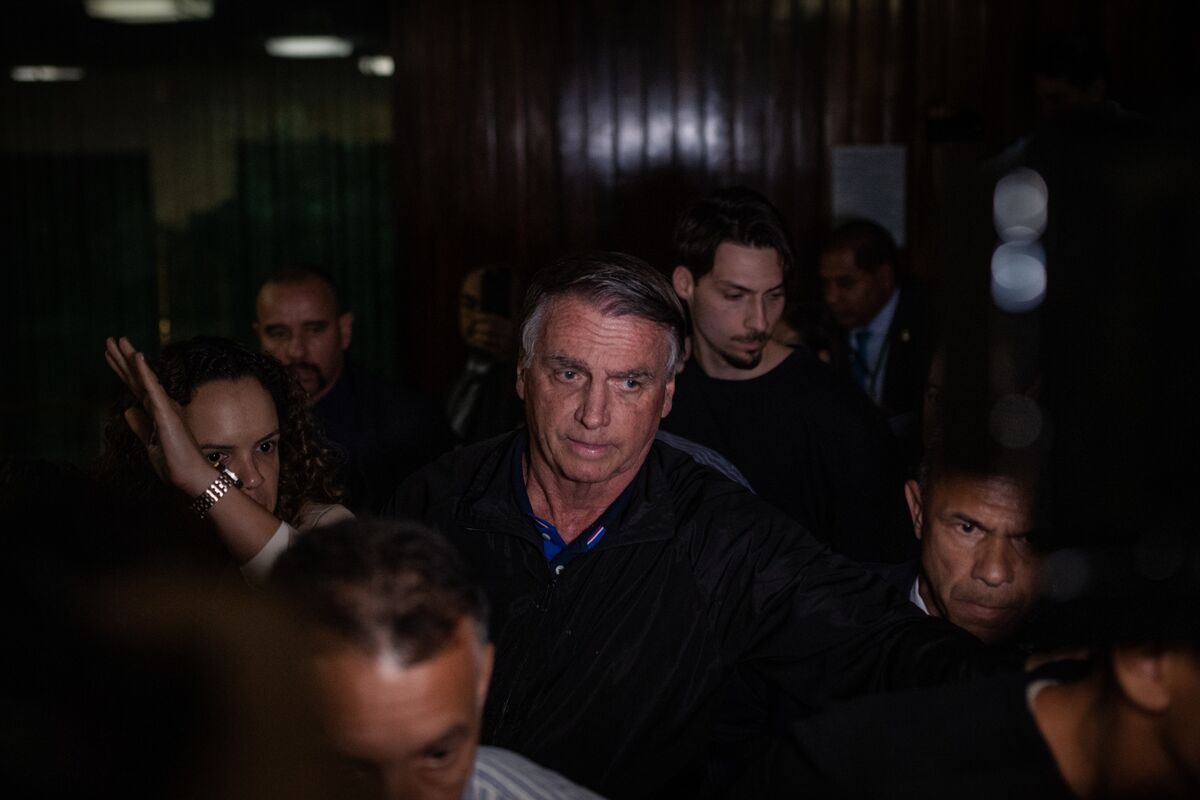
The Brazilian Supreme Court's conviction of former President Jair Bolsonaro has triggered immediate geopolitical tension, with US Secretary of State Marco Rubio vowing to 'respond accordingly' to the ruling. Brazil's government, led by President Lula, has defiantly rejected external interference and potential US sanctions, asserting its readiness to retaliate, indicating potential for diplomatic friction and economic uncertainty between the nations.
The conviction of former Brazilian President Jair Bolsonaro by the country's Supreme Court has introduced significant geopolitical risk, escalating tensions between the United States and Brazil. The US response, characterized by Secretary of State Marco Rubio's vow to 'respond accordingly' and denunciation of the trial as a 'witch hunt,' signals a potential shift in diplomatic posture. This has been met with a firm rebuttal from Brazil's current administration; President Luiz Inacio Lula da Silva has stated he does not fear potential US sanctions and is prepared to respond, while the Foreign Ministry has rejected any external 'threats' to its democracy. This direct confrontation creates a climate of uncertainty for Brazilian assets, as the prospect of sanctions and retaliatory measures could disrupt bilateral trade and investment flows, increasing the risk premium for investors in the region.
AI-powered research, real-time alerts, and portfolio analytics for institutional investors.
Request DemoOverall Sentiment
moderately negative
Sentiment Score
-0.40
