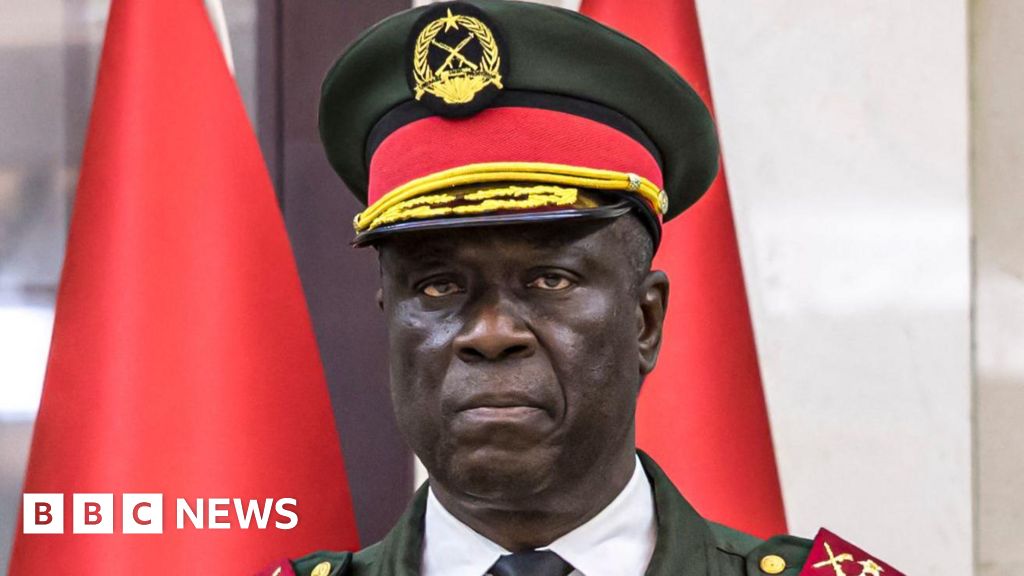
Guinea-Bissau's military announced it had deposed President Umaro Sissoco Embaló amid gunfire near the presidential palace, detaining senior officials and suspending publication of presidential election results after armed men destroyed the electoral commission's paperwork and server. Gen Horta N'Tam, a former army chief of staff and perceived ally of Embaló, was sworn in to lead a one‑year transition and named a 23‑minister cabinet, while the ousted president departed for Congo‑Brazzaville and the main challenger received asylum in Nigeria. Allegations that the takeover may have been staged by political actors to block unfavorable results, together with longstanding narco‑state concerns, heighten political and sovereign risk and create acute uncertainty for investors with West Africa exposure.
Market structure: A localized political shock in Guinea‑Bissau raises risk premia for frontier Africa and WAEMU‑linked assets while providing a small, immediate lift to security/logistics providers. Expect short‑term capital flight: frontier Africa ETFs (AFK, FM) and bilateral bank exposures to West Africa can underperform by 3–8% over days–weeks; WAEMU sovereign yields could reprice +50–200bps if contagion fears rise. Cross‑assets: modest widening of EM sovereign spreads (EMBI/EMI +10–40bps baseline; +100bps tail), modest FX pressure on regional currencies and higher shipping/insurance premia in Gulf of Guinea routes.
Risk assessment: Tail scenarios include (A) ECOWAS military intervention or sanctions (high‑impact, <10% probability) which would spike regional spreads >200bps within 7–30 days; (B) staged/counterfeit coup stabilizes power and leads to selective repression (30–40% probability) causing protracted governance risks and FDI reductions for 6–24 months. Hidden dependencies: narco‑networks, French/Senegalese posture, and the integrity of election data are key triggers that could quickly alter market pricing.
Trade implications: Tactical hedges on EM beta are warranted: buy short‑dated downside protection (1–3 months) on EEM/VWO sized 0.5–1.5% portfolio to cap downside; reduce direct frontier Africa exposure (AFK, FM) by 1–3% and rotate into 3–12 month US Treasuries or cash. If regional CDS on Senegal/Ghana widens >50bps, scale into sovereign CDS protection or long EMB puts; consider 0.5–1% tactical longs in defense/security contractors (LHX, LDOS) as asymmetric plays for elevated security spending.
Contrarian angles: Consensus assumes prolonged deterioration; market may be underpricing the chance the event was staged to suppress an unfavorable result, after which international recognition and a short transitional junta could restore stability — a 20–30% chance that would cause a snapback in frontier assets. Historical parallels (Gabon 2023, briefised African coups) show mean reversion in risk premia within 3–6 months if international engagement contains violence. Unintended consequences include a crackdown on narco‑routes improving long‑run governance but raising near‑term enforcement costs for shipping/insurance.
AI-powered research, real-time alerts, and portfolio analytics for institutional investors.
Request DemoOverall Sentiment
moderately negative
Sentiment Score
-0.50
