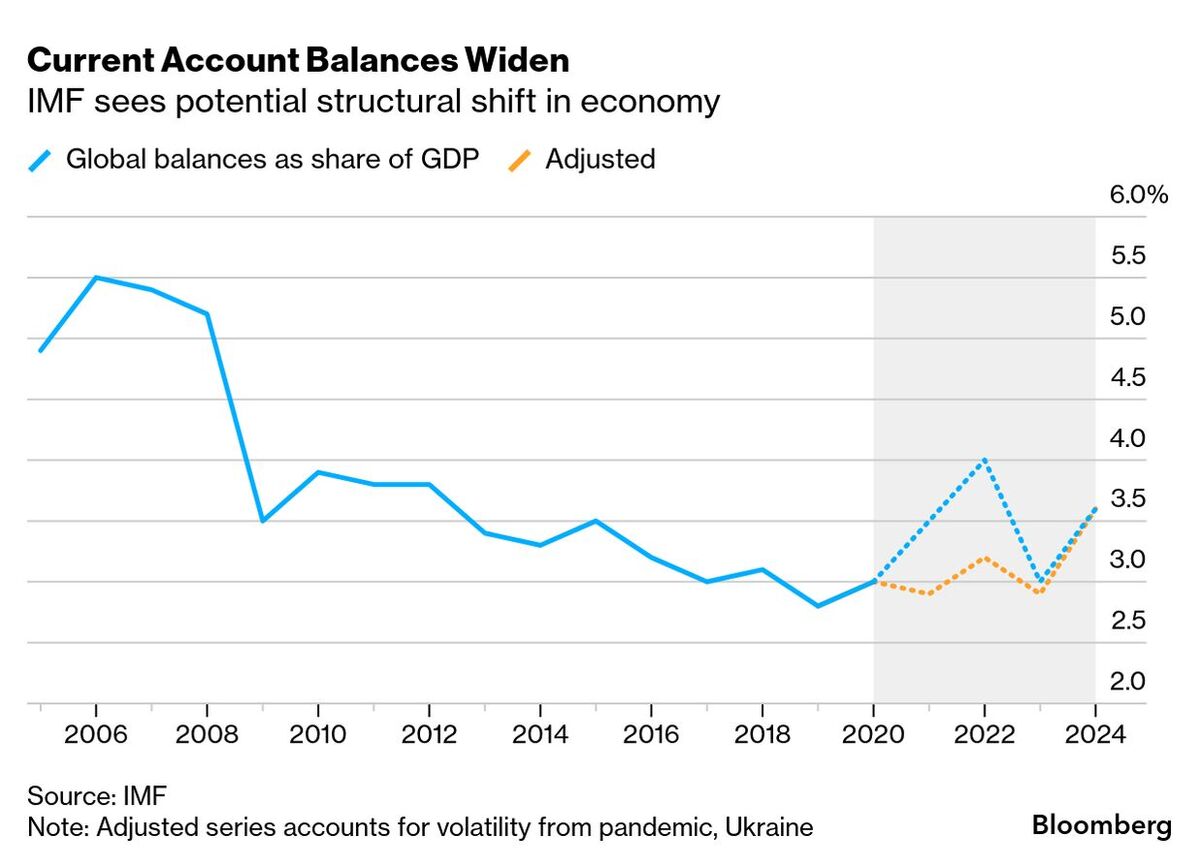
The International Monetary Fund (IMF) has reported a significant widening of global economic imbalances, projecting current account balances to expand by 0.6 percentage point of global output in 2024. The IMF attributes this primarily to domestic policies in the US and China, asserting that tariffs, such as those previously imposed, are ineffective in addressing these growing disparities. This assessment underscores a persistent structural challenge in global trade dynamics that protectionist measures fail to resolve.
The International Monetary Fund's latest external sector assessment highlights a significant deterioration in global economic stability, with current account imbalances projected to widen by a notable 0.6 percentage points of global GDP in 2024. The report attributes this trend primarily to the domestic policies of the United States and China, explicitly stating that protectionist measures like tariffs are ineffective at addressing these foundational issues. This finding underscores a growing structural risk within the global economy, suggesting that ongoing trade disputes are symptoms of deeper policy-driven divergences rather than the cause. The strongly negative sentiment associated with this report reflects the potential for increased financial and currency market volatility as these imbalances persist, challenging the efficacy of current trade policy frameworks.
AI-powered research, real-time alerts, and portfolio analytics for institutional investors.
Request DemoOverall Sentiment
strongly negative
Sentiment Score
-0.65
