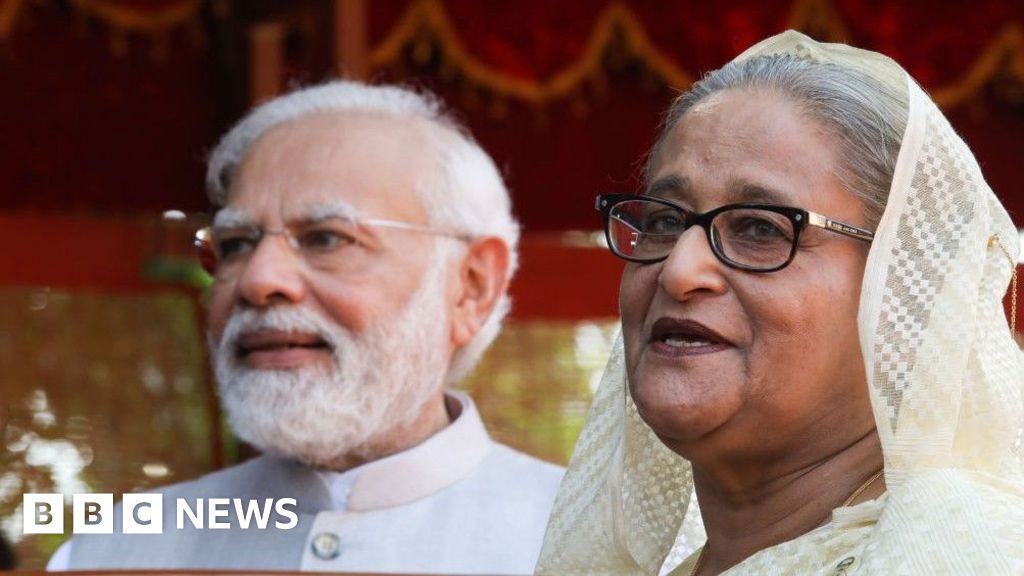
India’s decision to shelter ex-Prime Minister Sheikh Hasina—who has been sentenced to death by a Bangladeshi tribunal for crimes against humanity related to the 2024 crackdown—has created a diplomatic bind as Dhaka demands extradition and New Delhi, reluctant to hand over a longstanding ally, faces four unappealing options outlined by experts. The standoff is straining a deeply asymmetric relationship—nearly $13bn in trade last year, extensive Indian credit, energy supplies and connectivity projects—and has coincided with interim leader Muhammad Yunus’s rapid diplomatic pivot to Beijing, Islamabad and others, renegotiating Indian energy deals and slowing India-led projects. For investors and policymakers this raises short-to-medium-term risks to regional energy, transit and security coordination and signals that bilateral ties are likely to remain fragile over the next 12–18 months, contingent on the credibility of upcoming elections.
Sheikh Hasina, Bangladesh's former leader, has been sentenced to death by a special tribunal for crimes against humanity relating to a 2024 crackdown; India has granted her asylum, Dhaka is demanding extradition, and elections are due early next year under interim leader Muhammad Yunus. New Delhi faces four unattractive policy paths—extradition, status quo, enforced silence, or finding a third-country host—while publicly resisting handing her over given political affinity and domestic sentiment.
The bilateral relationship is economically asymmetric and deep: nearly $13bn of trade last year with Bangladesh running a sizeable deficit, $8bn–$10bn of concessional Indian credit over the past decade, and Indian supplies of electricity, oil and LNG plus key transit and connectivity links; India also shares a 4,096km porous border where instability risks spillover. Yunus’s government has already begun ‘‘de‑Indianising’’ policy by renegotiating energy deals, slowing India-led projects and turning toward Beijing and others, shifting political risk onto existing contracts and projects.
Diplomatically the situation is likely to remain fragile for 12–18 months and could pressure energy and infrastructure linkages; sentiment metrics in the data show moderately negative tone and specific near-term downside for LNG and oil exposures. Historical trade resilience suggests continuity is possible, but investors should price higher geopolitical and contractual risk, monitor election credibility closely, and stress-test exposures to renegotiation or connectivity slowdowns.
AI-powered research, real-time alerts, and portfolio analytics for institutional investors.
Request DemoOverall Sentiment
moderately negative
Sentiment Score
-0.45
Ticker Sentiment
