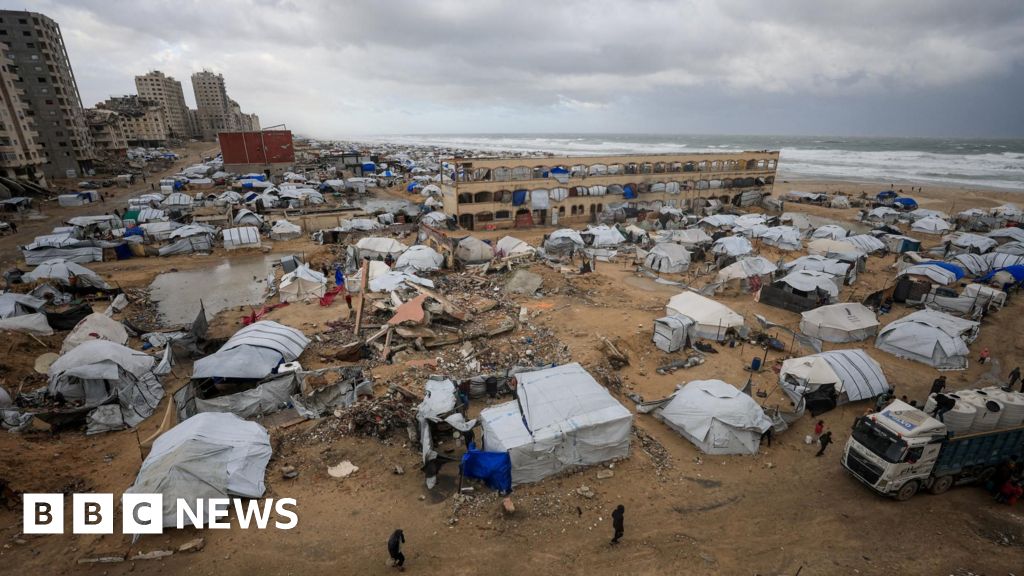
The US has launched phase two of President Trump's 20-point Gaza peace plan, establishing a transitional technocratic Palestinian administration (NCAG) to oversee demilitarisation, disarmament and reconstruction in Gaza while an International Stabilisation Force would vet and train local police. The 15-member committee will be led by Ali Shaath with Nickolay Mladenov as the board representative on the ground; the plan remains fragile as Hamas has historically resisted disarmament absent statehood, Israel has not committed to full withdrawal, and ceasefire breaches and civilian casualties — including nearly 450 Palestinians killed since the truce and over 71,430 deaths since October 7 per Gaza health authorities — underscore continued operational and humanitarian risks. Key frictions include Israel's insistence on the return of the remains of the last dead Israeli hostage before reopening Rafah, meaning political and security uncertainty could persist and sustain regional risk premia for investors.
Market structure: Short-term winners are defense/security suppliers and international engineering firms that can win reconstruction/ISF contracts (Elbit Systems ESLT, RTX, LMT, CAT, VMC); losers are local consumer, tourism, and small-cap Gaza/Israel-exposed names and regional airlines. Pricing power will tilt to large global contractors and reinsurers who can underwrite political-risk; materials (cement, steel) will see local demand spikes that could lift global spreads by +3–7% if reconstruction scales within 6–18 months. Cross-assets: expect risk-off shocks to lift gold (GLD), US Treasuries (TLT) and USD/ILS safe-haven bids; oil (Brent/WTI) volatility rises—breaches above $85/bbl would materially re-price regional risk premia.
Risk assessment: Tail risks include ceasefire collapse or major escalation (low probability but >10% in next 3 months) triggering a sharp risk-off drawdown: equities -8–12% knee-jerk, oil +$8–$15, yields lower. Immediate (days): volatility spikes and FX moves; short-term (weeks–months): contract announcements or blocked border crossings; long-term (quarters–years): protracted reconstruction or political failure. Hidden dependencies: US political backing (Trump chairing Board), hostage returns (single event can pause/full restart), Egyptian/EU logistical control of aid corridors; sanctions or procurement blacklists could redirect contract winners.
Trade implications: Tactical longs in defense and select materials/infrastructure for 3–12 month windows; use options to cap downside (buy 6–9 month call spreads on ESLT/LMT). Pair trades: long CAT or VMC vs short EIS (iShares MSCI Israel ETF) to capture reconstruction upside while hedging ongoing security risk. Hedging: buy GLD (1–2% portfolio) and 3–6 month put protection on EM/Israel exposures if oil >$85 or hostages not returned within 30 days.
Contrarian angles: Consensus assumes fast reconstruction; history (Iraq/Afghan rebuilds) shows multi-year delays and cost overruns — if disarmament stalls, construction spend could be deferred, hurting bidders priced for quick revenue. Markets may underprice Western firms winning large turnkey contracts (favours LMT/RTX/ESLT) while overpricing immediate domestic recovery plays. Unintended consequence: technocratic procurement could centralize awards to global firms, creating durable winners but squeezing local SMEs and political capital; monitor Davos announcements as a 2–4 week catalyst.
AI-powered research, real-time alerts, and portfolio analytics for institutional investors.
Request DemoOverall Sentiment
moderately negative
Sentiment Score
-0.50
