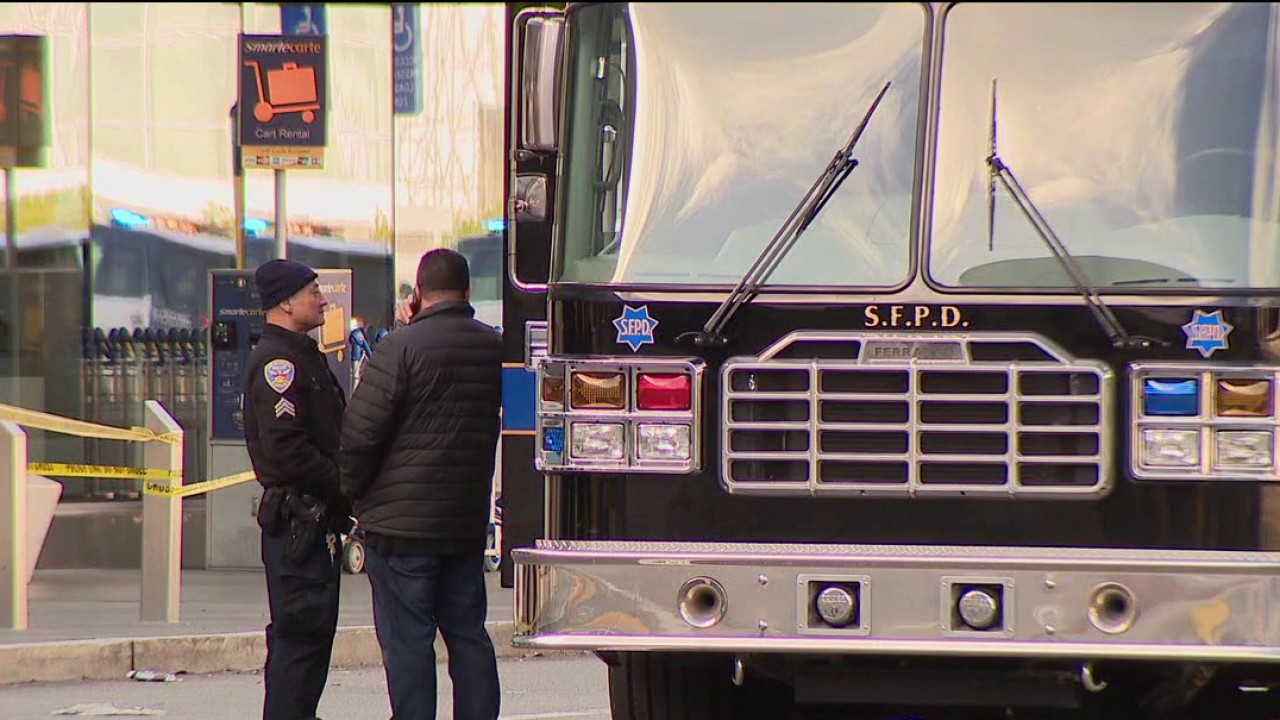
San Francisco International Airport temporarily closed Terminal 1 for roughly two hours after a police dog flagged an unattended suspicious package while investigators review surveillance footage; no explosive threat was publicly reported. Severe storms and high winds across the Bay Area produced widespread disruption—at least 153 morning flight delays rising to more than 300 by afternoon, and SFO reported a total of 491 delays and 28 cancellations—while flooding, downed trees, power outages and tornado warnings compounded regional transport disruptions. The incidents create short-term operational headwinds for airlines, ground handlers and airport operations, but absent prolonged closures are unlikely to produce material, lasting financial impacts.
Market structure: Short, concentrated hits to Bay‑Area centric airlines and service providers (United UAL, Alaska ALK if exposed to SFO hubs, plus network carriers AAL/DAL) from holiday cancellations (491 delays, 28 cancels) raise near‑term unit costs—expect 0.5–2% revenue hit for exposed carriers over the next 7–14 days from rebooking, crew overtime and recovery flights. Ground transport (Avis CAR, Hertz HTZ) and last‑mile car rental demand may see transient bumps while booking/OTA platforms (BKNG, EXPE) absorb fewer fulfilled trips and modest conversion loss.
Risk assessment: Tail risks include a security escalation or a multi‑day terminal closure (low probability, high impact) that could force regulatory mandates (higher checkpoint staffing, tech capex) within 3–12 months, lifting airport/airline opex by several percent. Hidden dependency: cascading network effects — SFO delays disproportionately amplify systemwide delay minutes through crew/rotation knock‑on across 48–72 hours. Catalysts: persistent storm patterns or a confirmed security breach would accelerate capex/regulatory responses; a quick weather clearout would reverse impacts.
Trade implications: Tactical short exposure to airline equity/credit volatility is highest value in the next 2–28 days; options IV will spike intraday — execute defined‑risk bearish spreads rather than naked puts. Longer horizon (6–18 months) favors selective longs in airport/aviation security suppliers (L3Harris LHX, RTX) who benefit from higher security spending; infrastructure/utility contractors (J, FLR) are secondary beneficiaries for repair work.
Contrarian angle: The market tends to overprice short, localized holiday disruptions—if IV on major carriers >40% and fundamentals unchanged, these shorts can be faded after 2–3 weeks as bookings normalize. Conversely, security‑spend winners are underowned and need 6–12 months and a policy catalyst to reprice; avoid assuming immediate large budget shifts without a clear regulatory trigger.
AI-powered research, real-time alerts, and portfolio analytics for institutional investors.
Request DemoOverall Sentiment
mildly negative
Sentiment Score
-0.30
