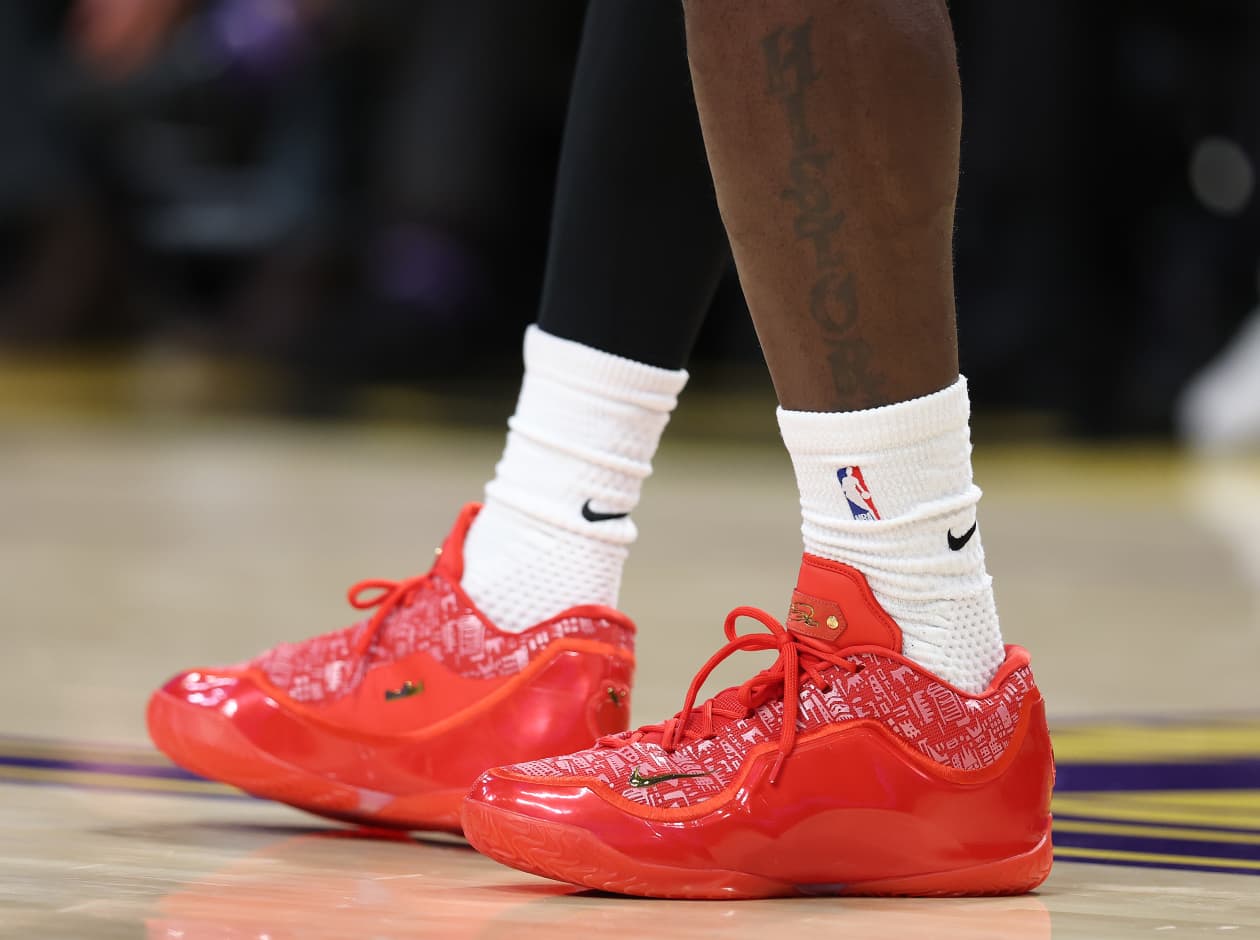
Nike shares fell roughly 13.5% toward an 11-year low after the company issued a disappointing sales outlook. The sharp, volatile selloff reflects short-term market and analyst reactions and may create a contrarian buying opportunity for long-term investors, though near-term demand risks remain.
The market’s knee-jerk repricing creates asymmetric outcomes across the ecosystem: Tier-1 wholesale partners and mall-based retailers face immediate inventory and cash-flow stress if orders remain muted, while contract manufacturers in Vietnam/Indonesia will see immediate volume compression and pricing pressure. Conversely, Nike’s direct channels and paid-membership data give it an unusually fast feedback loop to reprice assortments and pull forward higher-margin SKUs — a capability competitors with larger wholesale mixes will struggle to match.
Near-term tail risks are concrete and time-boxed: a weaker-than-expected holiday cadence, another round of inventory markdowns from wholesale partners, or an earnings guide cut could extend pain over weeks-to-months and trigger quant/ETF rebalances that amplify flows. Medium-term catalysts (3–12 months) that would flip sentiment include visible inventory drawdown at wholesale, sequential gross margin recovery of 100–200 bps, or a pickup in member conversion rates; absence of those keeps downside optionality alive.
The market is underpricing optionality tied to Nike’s pricing power and supply-chain agility — management can shift allocation away from saturated low-margin channels into higher-margin direct and premium wholesale in a matter of quarters, not years. Elevated implied volatility makes structured entry attractive: sell short-dated premium to fund longer-dated optional upside, and use small, time-limited hedges to cap headline risk while owning the recovery narrative.
AI-powered research, real-time alerts, and portfolio analytics for institutional investors.
Overall Sentiment
strongly negative
Sentiment Score
-0.55
Ticker Sentiment
