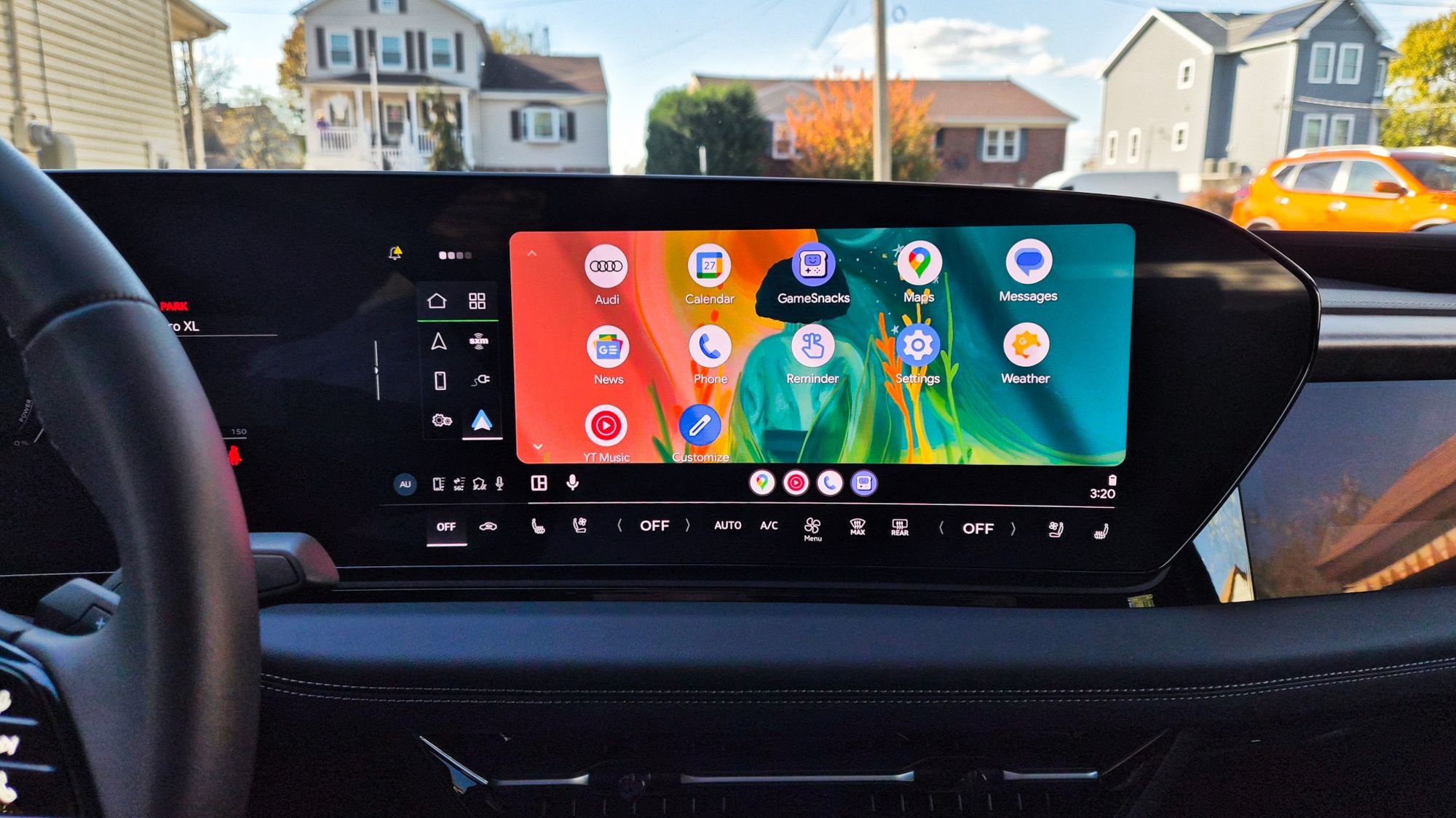
Android Auto is failing to maintain persistent connections for Samsung Galaxy S26 owners and some Pixel users after a recent Google update, rendering wired Android Auto largely unusable and causing repeated connect/disconnect cycles. Neither Google nor Samsung has issued an official fix; reported workarounds include initiating Android Auto from the car, multiple factory resets, and disabling or deleting Samsung SmartThings, with Advanced Protection suspected as a potential cause. Some Galaxy S26 buyers are reportedly considering returns, creating modest reputational risk but limited broader market impact.
This is less a product bug and more a nudge on platform trust: episodic connectivity regressions amplify customer service costs, return risk for high-ticket devices, and create negotiation leverage for automakers pushing alternative ecosystems. Expect a concentrated window (days–weeks) of elevated support load and social virality that can depress net promoter scores by several points in affected cohorts; extrapolating a 2–5 point NPS hit across new-phone buyers implies measurable churn velocity in the first 90 days of ownership.
For Alphabet, the immediate mechanism is reduced in-car engagement (Maps/Search/Assistant) which compresses ad inventory and targeting signals in driving contexts — not a structural ad loss but a short-lived delta. If driving-session ad impressions fall 0.1–0.3% across major markets for 4–8 weeks, back-of-envelope impacts to quarterly ad revenue sit in the low-to-mid tens of millions, not billions, but the reputational multiplier (voice assistants, navigation preference) risks a longer tail in monetization cadence.
Reddit and community forums act as amplifiers and triage hubs; elevated thread volume increases DAU/engagement but also raises moderation/brand-safety friction for advertisers. That flow is predictable and front-loaded: expect a spike in unique visitors and time-on-site for 1–6 weeks post-incident, then reversion unless the issue persists or broadens, creating a narrow window to monetize elevated traffic without materially changing advertiser budgets.
AI-powered research, real-time alerts, and portfolio analytics for institutional investors.
Overall Sentiment
mildly negative
Sentiment Score
-0.20
Ticker Sentiment
