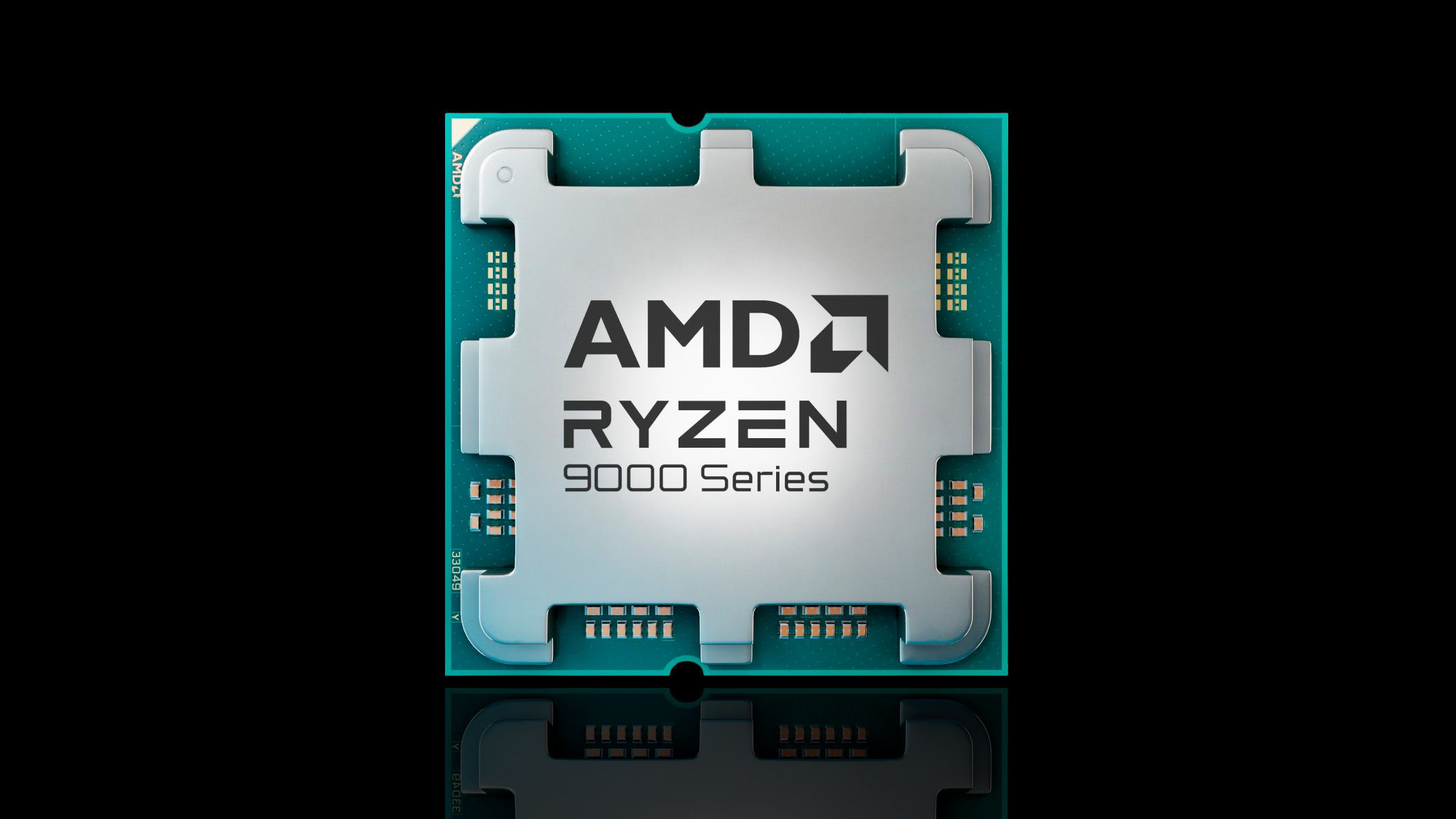
AMD's Ryzen 7 9800X3D has dropped to $443.99 (a $36 discount from its $479.99 launch MSRP and about $15 above its all-time low) following the launch of the Ryzen 7 9850X3D. The new 9850X3D commands roughly a 4% MSRP premium and delivers ~3% higher gaming performance, but current street pricing dynamics (9800X3D typically around $470) and the new discounted $443.99 tag widen the effective price gap to as much as 12%, making the older 9800X3D a more attractive value for most gamers amid continued memory/GPU price pressures. The 9800X3D remains an 8-core/16-thread Zen 5 part with 3D V-Cache and a 120W TDP; the pricing shift is primarily relevant to consumer purchasing decisions rather than broad market-moving corporate fundamentals.
Market structure: AMD (AMD) is the direct beneficiary—new 9850X3D upsells ASPs while the 9800X3D discount clears channel inventory, likely boosting unit sales in the near term. Losers are incumbent premium SKUs and margin-exposed retailers if markdowns widen; Intel (INTC) faces more pressure in the gaming segment as AMD cements dual-SKU dominance. The small price move (~$36 off MSRP; ~12% street-price delta vs new SKU) signals temporary channel oversupply for the older SKU, not terminal demand erosion.
Risk assessment: Tail risks include renewed US–China export controls on advanced nodes, a TSMC capacity squeeze delaying 3D V‑Cache supply, or an unexpected Intel competitive leap—each could swing AMD revenue ±5–15% over 4–12 quarters. Immediate (days) impact is retail pricing volatility; short-term (weeks–months) is channel inventory correction and promotional activity; long-term (quarters) is mix-driven gross margin migration. Hidden dependencies: GPU/DRAM shortages constrain full-system upgrades so CPU discounts may have muted uplift until GPU supply eases.
Trade implications: Tactical direct play—establish a 2–3% long position in AMD on a <8% pullback within 30 days, target 20–35% upside over 6–12 months, stop-loss 12%. Pair trade—go long AMD/short INTC equal-dollar for 6–12 months to play secular share shift in gaming CPUs. Options—buy a 9–12 month AMD call spread (buy 25% ITM–sell 45% OTM) to cap cost and capture ASP recovery; alternatively sell a put spread 6–9 months out at ~10% OTM to collect premium.
Contrarian angles: The market underestimates AMD’s deliberate dual‑SKU pricing as share‑gain strategy rather than destructive discounting—expected FY impact on revenue likely <2–4% from SKU cannibalization. Reaction may be overdone if investors price prolonged margin compression; historical CPU/GPU refresh cycles show predecessor discounts rebound within 2–3 quarters as OEMs and gamers complete upgrade cycles. Unintended consequence: aggressive retail markdowns could pressure industry ASPs and force competitors into margin concessions, creating a brief period of P/L compression across PC OEMs and channel partners.
AI-powered research, real-time alerts, and portfolio analytics for institutional investors.
Request DemoOverall Sentiment
mildly positive
Sentiment Score
0.12
Ticker Sentiment
