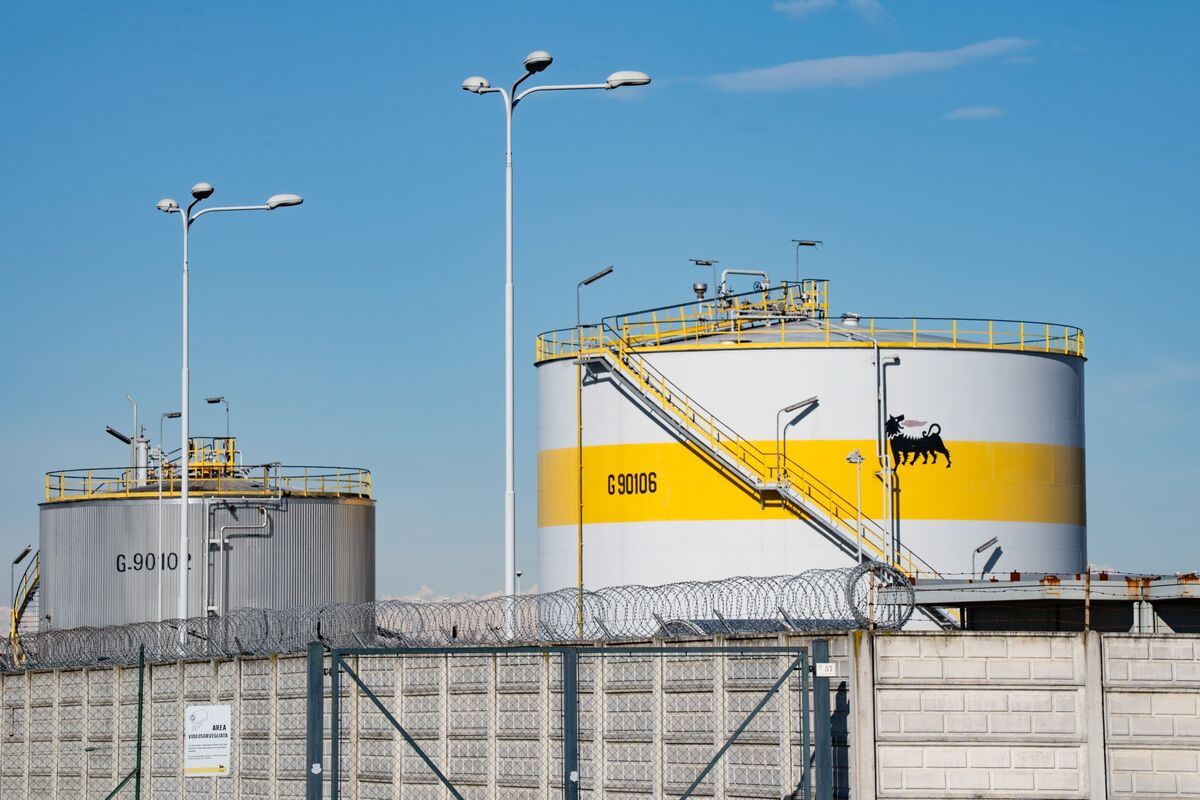
Italy is negotiating with Algeria to secure additional natural gas as the war in Iran squeezes shipments; Eni is renegotiating contracts with Sonatrach. Algeria has asked Italy to buy any extra volumes on the spot market, where prices are currently higher, implying increased short-term procurement costs for Italy/Eni and added upward pressure on European gas prices. The talks increase supply uncertainty for Italy and are sector-moving for regional energy markets.
Southern Europe’s marginal gas sourcing is now a derivatives game: buyers forced into the spot market amplify front-month TTF and LNG cargo premiums, which historically spike 10–30% above indexed contract levels for 1–3 quarters after a supply squeeze. That wedge both raises near-term cash costs for integrated oil & gas producers acting as offtakers and creates trading P&L opportunities for firms able to flex cargo origination or storage — volatility will be concentrated in front-month vs calendar spreads. Second-order winners are players with cargo and shipping optionality: listed LNG exporters and owners of modern Q-Flex/Q-Max charter capacity capture both higher FOB pricing and elevated freight (FFAs). Pipeline toll-takers benefit only if flows re-route persistently; if instead Europe shifts to more spot LNG, toll revenues could lag while charter rates surge. Conversely, utilities and retail suppliers that hedge on long-term fixed tariffs will see margin compression and potential cash-call/capital strain within 1–2 quarters, creating selectable credit/widening opportunities. Key risks and catalysts to watch are asymmetric and time-bound: a rapid diplomatic de-escalation restoring Iran-linked flows would compress spot premia within days, while weather and EU emergency allocation decisions can sustain tightness for months. High-frequency indicators to monitor are front-month vs Cal-1 TTF spreads, LNG charter FFA curves, and ENI’s merchant book disclosure in the next quarterly release — each moves the P&L picture within 1–12 weeks and will determine whether the current premium is transitory or structural.
AI-powered research, real-time alerts, and portfolio analytics for institutional investors.
Overall Sentiment
neutral
Sentiment Score
0.00
Ticker Sentiment
