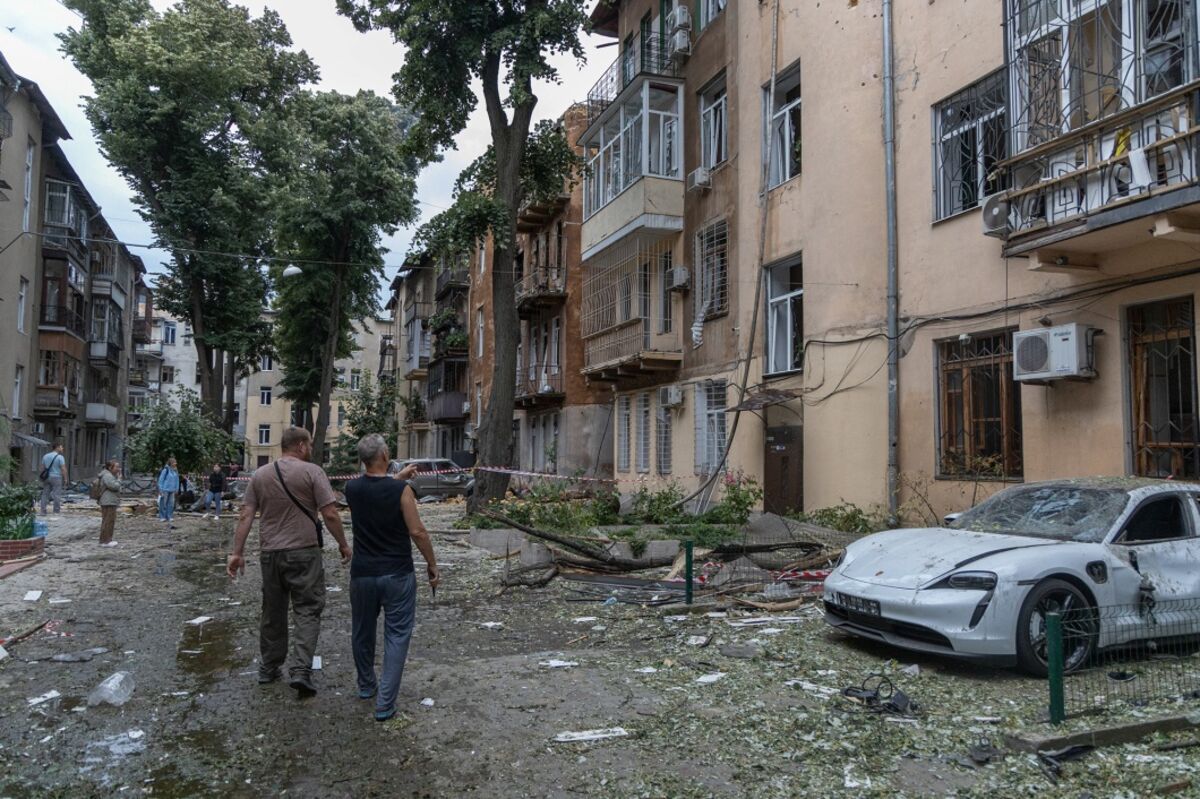
President Putin stated that Russia is not seeking Ukraine's "capitulation" to end the war, but reiterated the claim of shared national identity. Speaking at the St. Petersburg International Economic Forum, Putin emphasized Russia's insistence on recognizing the territorial status quo in eastern and southern Ukraine, where Russian forces maintain control.
President Putin's statements at the St. Petersburg International Economic Forum, indicating Russia is not seeking Ukraine's "capitulation" but simultaneously insisting on the recognition of "realities on the ground" regarding occupied territories, signal a continuation of Moscow's established diplomatic posture. While the language ostensibly eschews demanding outright surrender, the core demand for acknowledgment of territorial gains in eastern and southern Ukraine remains a significant impediment to any negotiated settlement. This reaffirmation of Russia's position, including the reiterated claim that Russians and Ukrainians are "one people," offers little new ground for de-escalation. The neutral sentiment score (-0.1) and low market impact score (0.3) associated with this news suggest that market participants largely perceive these comments as consistent with previous rhetoric, rather than a significant shift in the Kremlin's war aims or a precursor to an imminent resolution. Consequently, the geopolitical uncertainty and the complex challenges surrounding the conflict persist.
AI-powered research, real-time alerts, and portfolio analytics for institutional investors.
Request DemoOverall Sentiment
neutral
Sentiment Score
-0.10
