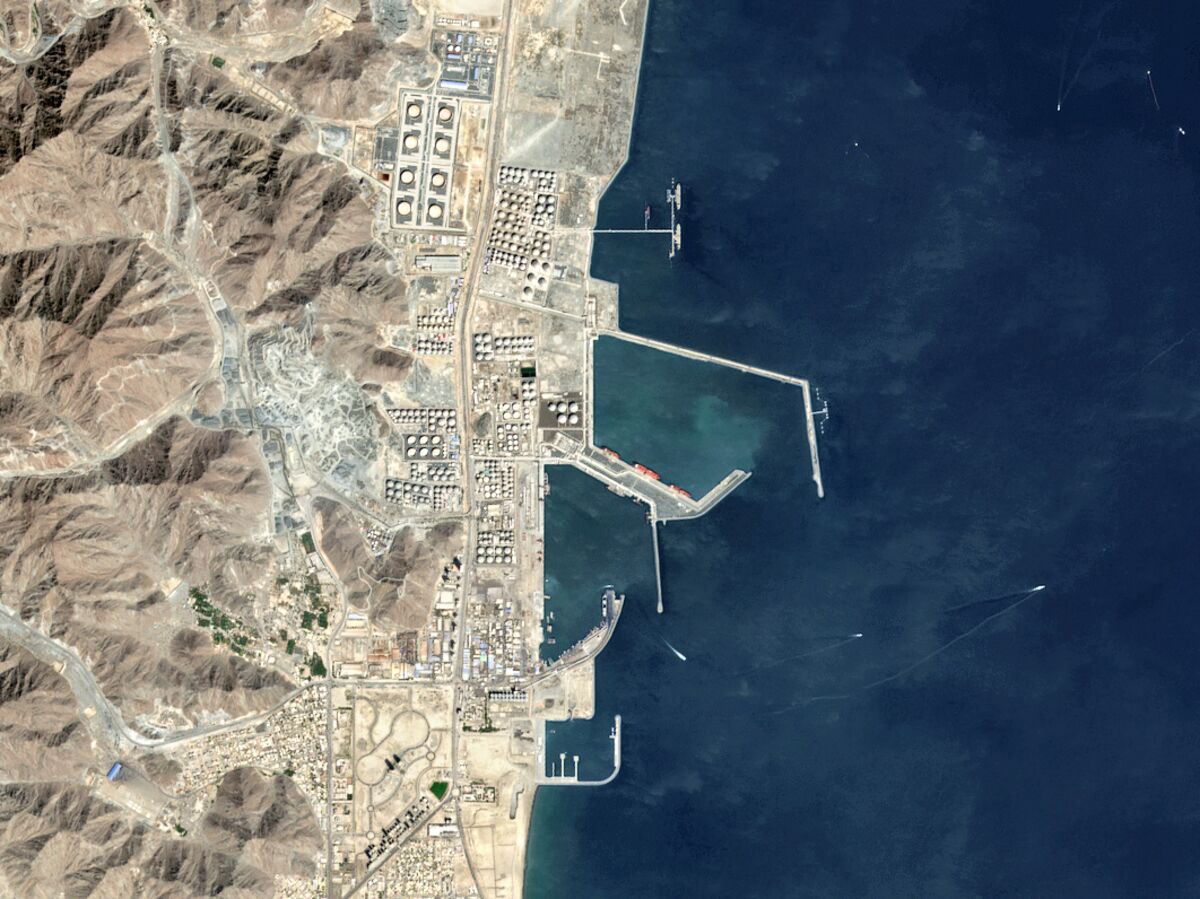
The VTTI oil terminal in Fujairah, UAE, was struck in an aerial attack amid an uptick in strikes near the Strait of Hormuz, a key chokepoint for global oil shipments. The attack raises geopolitical risk for regional energy infrastructure and could heighten volatility in crude and refined products markets. The terminal is jointly owned by IFM Global Infrastructure Fund, Vitol Group and Adnoc.
The immediate market read is not just a geopolitical premium in crude; it is a discount on regional logistics reliability. Even a limited strike near a critical chokepoint can force insurers, charterers, and terminal operators to widen safety buffers, which tends to show up first as higher freight, higher war-risk premia, and slower inventory cycling before it fully expresses in spot oil prices. That second-order effect matters because it can tighten physical barrels without a headline supply outage, especially if traders preemptively pull cargoes from the Gulf. The cleaner beneficiaries are not necessarily the obvious integrated oils, but the companies with embedded exposure to storage, shipping, and emergency capacity. Midstream assets outside the immediate risk zone, floating storage operators, and LNG/shipping names can gain from rerouting and precautionary stocking, while regional peers with overlapping infrastructure face a valuation overhang even if operations are unaffected. Defense-linked names also get a longer-duration bid if the market starts pricing a persistent drone/missile threat rather than a one-off event. The key risk is escalation asymmetry: one more hit on export infrastructure or a temporary shipping disruption could reprice crude in a fast, nonlinear way over days, but a diplomatic de-escalation or visible air-defense response could unwind most of the geopolitical premium just as quickly. The market may be underestimating how quickly physical traders can adapt through alternative loadings and inventory drawdowns, which caps the upside unless the strike pattern broadens into sustained interdiction. Over months, the bigger implication is higher capital spending on redundancy and security, which favors hard assets and raises the hurdle rate for new Gulf infrastructure projects. Consensus may be too focused on immediate oil beta and not enough on the repricing of operational risk across the entire Gulf supply chain. If attacks remain intermittent, the trade is less about a straight long-crude call and more about owning volatility and logistics scarcity. If this becomes a pattern, the winners will be the firms with diversified export optionality and the losers will be the assets whose economics depend on uninterrupted throughput through a narrow corridor.
AI-powered research, real-time alerts, and portfolio analytics for institutional investors.
Request DemoOverall Sentiment
strongly negative
Sentiment Score
-0.55
