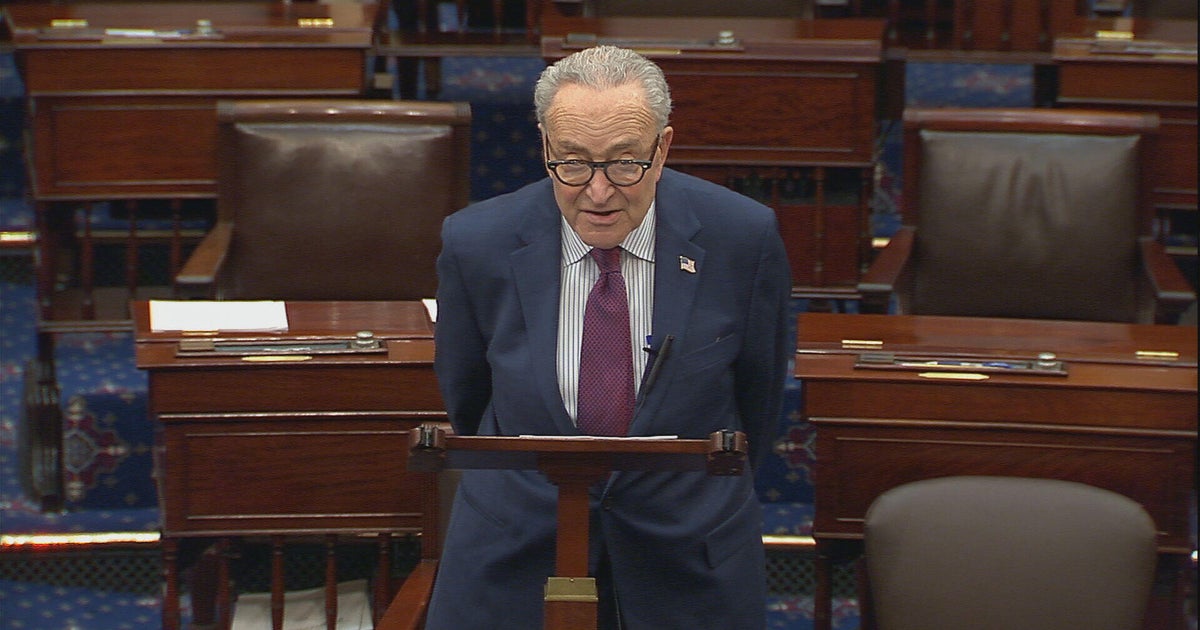
DHS shutdown has entered Day 40 with talks stalled after Democrats submitted a counteroffer; Senate Republicans proposed funding most of DHS while withholding ICE ERO funds, a proposal Democrats reject and some House conservatives oppose. Operational impacts are severe: TSA has lost more than 480 officers, reported some security wait times greater than 4.5 hours, and warned the agency could reach nearly $1 billion in missed paychecks if the shutdown continues through Friday. Republicans are discussing budget reconciliation for ICE funding and parts of the SAVE America Act, raising the prospect of partisan, faster-path legislation while lawmakers face pressure to resolve the crisis before an upcoming recess.
The most immediate economic lever is operational friction at the travel layer translating into idiosyncratic revenue shocks for carriers, airport concessionaires and airport-adjacent service providers. When frontline workforces face acute liquidity stress, absenteeism and voluntary turnover spike nonlinearly; firms with thin staffing buffers (ULCCs, regional feeders, small airport ops) will see outsized schedule churn and unit revenue compression over the next 2–6 weeks.
A second-order budget dynamic is political arbitrage: splitting DHS funding and moving remaining ICE issues into reconciliation creates a stopgap pathway that reduces near-term fiscal drag but raises policy tail risk. If reconciliation is used, legislative timing shifts from bipartisan 60-vote negotiation to majority-rule packaging, increasing the probability of a quick, asymmetric resolution within 1–3 weeks but also embedding longer-term policy volatility over months.
Supply-chain winners are private contractors and software vendors able to provide rapid automation or surge-temp staffing; their pricing power rises sharply in a constrained labor environment. Conversely, incumbents reliant on steady federal contract flows (certain mid-cap govcon names) face receivables/timing risk if ERO funding stays bifurcated for multiple quarters, compressing forward revenue visibility and potentially increasing working capital needs.
Investor positioning should be bifurcated by horizon: trade the operational disruption (days–weeks) separately from the policy-regulated rerating (weeks–months). The path to resolution is skewed — either a quick fix via split funding or a messy reconciliation battle — meaning both event-driven shorts and tactical hedges are attractive in the near term with selective long exposure to automated screening vendors on any pullback beyond an earnings-cycle window.
AI-powered research, real-time alerts, and portfolio analytics for institutional investors.
Request DemoOverall Sentiment
strongly negative
Sentiment Score
-0.60
