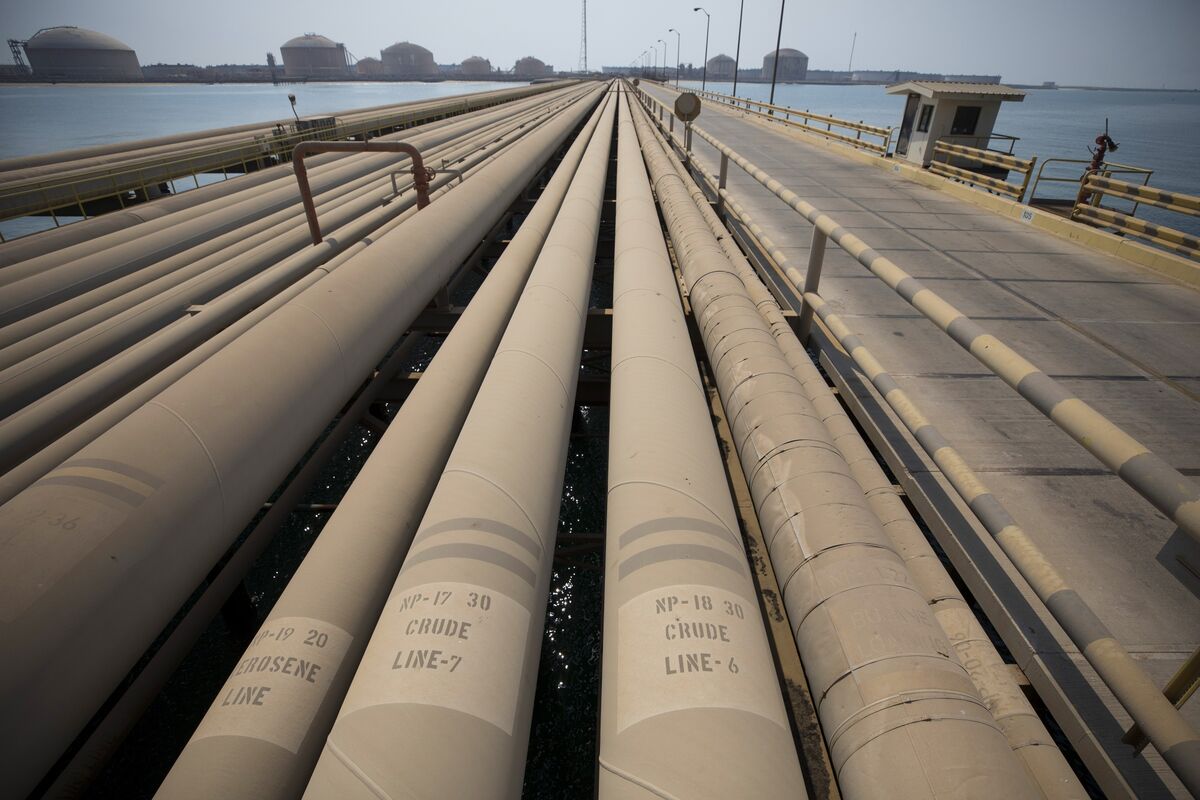
The International Energy Agency (IEA) projects a sharp decline in oil used for power generation in the Middle East and North Africa, falling from approximately 20% to just 5% of the power mix by 2035, even as regional electricity demand surges 50%. This displacement by natural gas and renewables is expected to free up substantial volumes of Saudi and Iraqi crude for export, potentially altering global crude supply dynamics.
The International Energy Agency (IEA) forecasts a significant structural shift in the Middle East and North Africa's (MENA) energy mix, with profound implications for global commodity markets. According to the IEA report, oil's share in the region's power generation is projected to plummet from approximately 20% to just 5% by 2035. This sharp decline in crude-burning for domestic electricity occurs even as the region's overall electricity demand is expected to surge by 50%. The primary drivers for this transition are the increased utilization of natural gas and renewable energy sources. The most critical takeaway for the global oil market is the anticipated release of substantial crude volumes from major producers like Saudi Arabia and Iraq, which would otherwise be consumed domestically, potentially increasing global supply and exerting downward pressure on long-term prices. Conversely, the displacement of oil by natural gas signals a material increase in regional gas demand.
AI-powered research, real-time alerts, and portfolio analytics for institutional investors.
Request DemoOverall Sentiment
moderately positive
Sentiment Score
0.40
Ticker Sentiment
