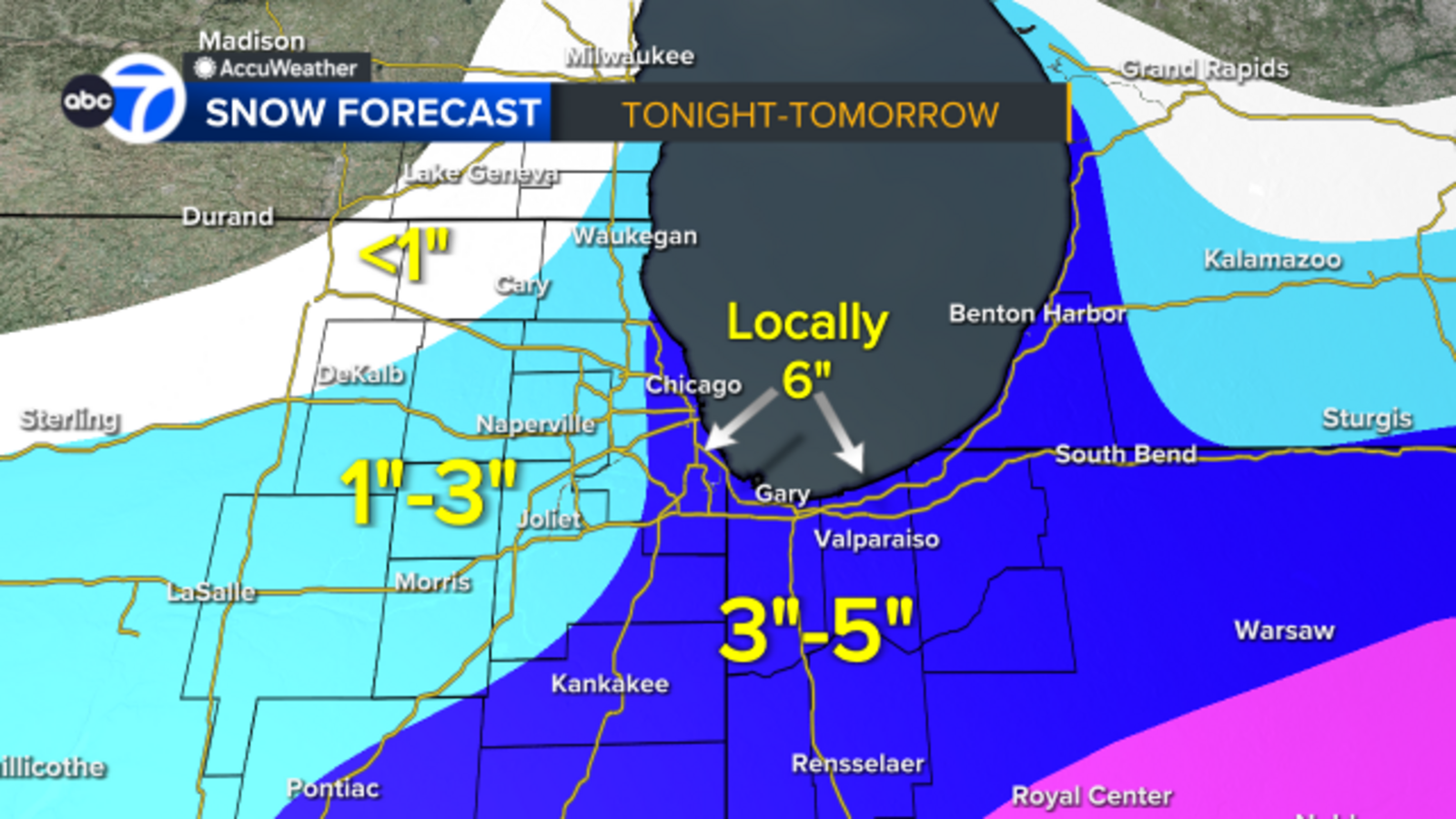
A major winter storm is producing dangerously cold temperatures (-3 to -11°F with wind chills near -20 to -25°F) and localized snowfall up to about 5–6 inches in the Chicago area, prompting Winter Weather Advisories across multiple counties. The system has already resulted in more than 8,000 flight cancellations nationwide this weekend—including nearly 200 cancellations at O'Hare and 30 at Midway—and at least 17 states have declared emergencies; the FAA is coordinating recovery efforts (snow removal and deicing) with airlines and airports. The disruption presents near-term operational and revenue risk to carriers and airports and could temporarily depress local economic activity and travel-related demand.
Market structure: Short-term winners are heating-energy providers and spot natural gas/propane (higher demand), snow/road-services and airport ground-handling/deicing contractors; losers are airlines, airport retail, perishable logistics and time-sensitive couriers because >8,000 cancellations compress near-term revenues by high-single/double-digit percentages for affected days. Competitive dynamics favor carriers/terminals with stronger operational resilience (greater de-icing capacity, diversified hubs) — smaller LCCs or single-hub carriers suffer disproportionate market-share hit during prolonged disruptions. Cross-asset: expect a knee-jerk bid in short-term Treasuries and USD (flight-to-safety) and higher implied vols in airline equities and regional travel ETFs; heating fuel futures/Natural Gas (NG) skewed higher vs. jet fuel which may transiently soften with cancellations.
Risk assessment: Tail risks include sustained airport closures (multi-day) causing material revenue revisions, cascading supply-chain stoppages for manufacturing, and municipal emergency spending pressuring short-term muni lines; probability low but impact high within 7–14 days. Immediate horizon (0–7 days) dominated by operational disruption; 2–8 weeks for demand normalization and rebooking; quarters+ for any structural travel behavior changes. Hidden dependencies: de-icing chemical and skilled staff availability, runway/plow equipment rental markets, and EIA storage draws; catalysts are additional cold waves or FAA advisories which could amplify effects within 48–72 hours.
Trade implications: Tactical trades include long short-dated natural gas exposure (NG futures or UNG call spreads) for 1–6 week window, and short airline exposure (AAL, LUV, UAL or XAL ETF) via put spreads to limit premium bleed; consider a relative-value pair long energy vs. short airlines. Rotate modest allocation into defensive utilities/XLU for 1–3 months to capture winter demand without idiosyncratic outage risk; entry on heightened IV after >3k daily cancellations, exit as cancellations normalize below 2k/day for 3 days.
Contrarian angles: Consensus focuses on airlines; market may underprice short-lived heating-fuel relief — if cancellations persist >7 days, jet-fuel inventories fall faster than expected and oil product spreads can widen, benefiting refiners (PSX, VLO) unexpectedly. Conversely, overdone airline selloffs with elevated IV create opportunities to sell premium via calendar spreads once recovery signals (FAA clears major hubs) appear; historical parallels: 2014–2017 winter storms saw 10–25% NG moves and 5–30% airline intraday swings over 1–3 weeks.
AI-powered research, real-time alerts, and portfolio analytics for institutional investors.
Request DemoOverall Sentiment
moderately negative
Sentiment Score
-0.35
