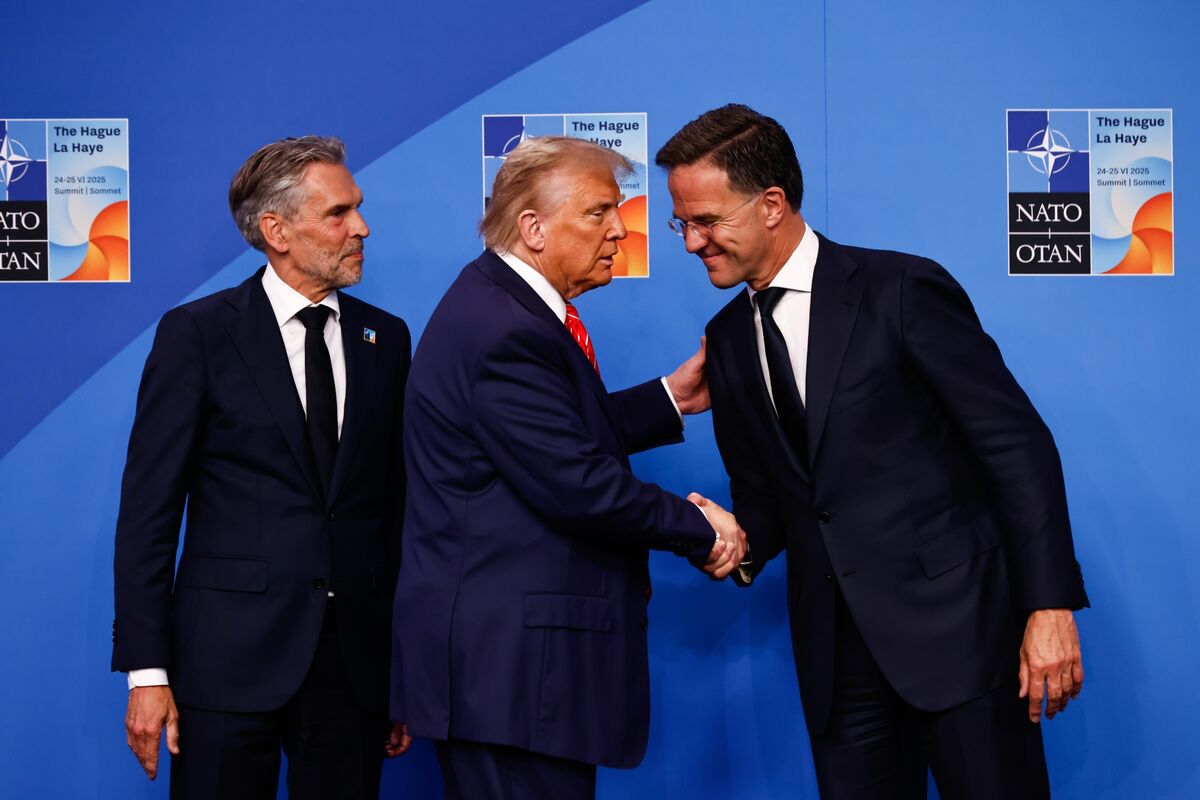
The article argues that merely meeting defense spending targets, a past focus of former President Trump, is insufficient to genuinely strengthen NATO. It highlights a perceived strategic misalignment within the alliance, exemplified by European leaders praising US unilateral actions, such as the attack on Iranian nuclear sites, despite these moves contradicting European diplomatic efforts. This suggests that deeper issues beyond financial contributions significantly impact the transatlantic alliance's overall health and cohesion.
The transatlantic alliance's stability is being questioned, with the analysis suggesting that headline-grabbing defense spending targets are insufficient to ensure NATO's health. The article highlights a significant strategic misalignment, evidenced by European leaders like Mark Rutte praising unilateral US military actions, such as an attack on Iranian nuclear sites, which directly contradicted years of European diplomatic policy. This accommodation of unilateralism, alongside comments from German political figures supporting similar actions by other nations, points to a fragmentation of a unified foreign policy. The core issue presented is not a lack of financial commitment but a potential erosion of shared strategic purpose, implying that the alliance's cohesion and predictability are weaker than surface-level agreements on spending might suggest. The moderately negative sentiment score (-0.4) reflects this underlying concern about the alliance's foundational integrity.
AI-powered research, real-time alerts, and portfolio analytics for institutional investors.
Request DemoOverall Sentiment
moderately negative
Sentiment Score
-0.40
