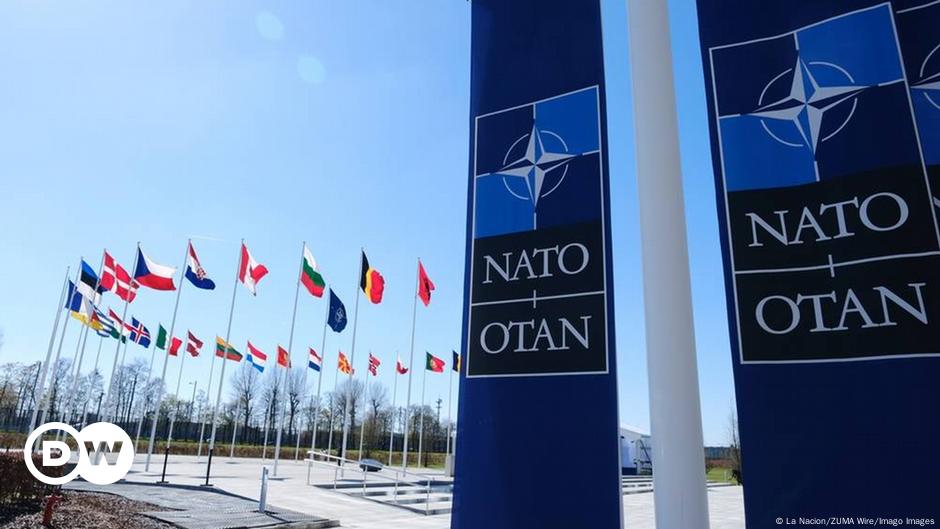
NATO members have provisionally agreed to increase defense spending targets to 5% of GDP by 2035, a significant rise from previous benchmarks and a long-sought goal by the US. This new commitment, allocating 3.5% for core military needs and 1.5% for related expenditures, is expected to be formalized at the upcoming NATO meeting. Spain secured an exemption from this requirement, citing disproportionate spending and internal political pressures. The agreement signals a substantial shift in burden-sharing within the alliance, potentially impacting national budgets and the global defense industry.
NATO's provisional agreement to increase defense spending to 5% of GDP by 2035 marks a significant structural shift in the alliance's fiscal and strategic posture. This new target, which allocates 3.5% for core military needs and 1.5% for related expenditures, will compel most member nations to substantially reallocate national budgets over the next decade, creating a predictable, long-term demand catalyst for the global defense industry. The policy directly addresses long-standing US calls for greater European burden-sharing. However, Spain's successful negotiation of an exemption highlights the significant political and fiscal hurdles involved. Prime Minister Sanchez's characterization of the target as "unreasonable" and "counterproductive," driven by domestic political pressures, underscores the implementation risk that may face other member states as they navigate their own national budgets and political cycles to meet this ambitious goal.
AI-powered research, real-time alerts, and portfolio analytics for institutional investors.
Request DemoOverall Sentiment
strongly positive
Sentiment Score
0.70
