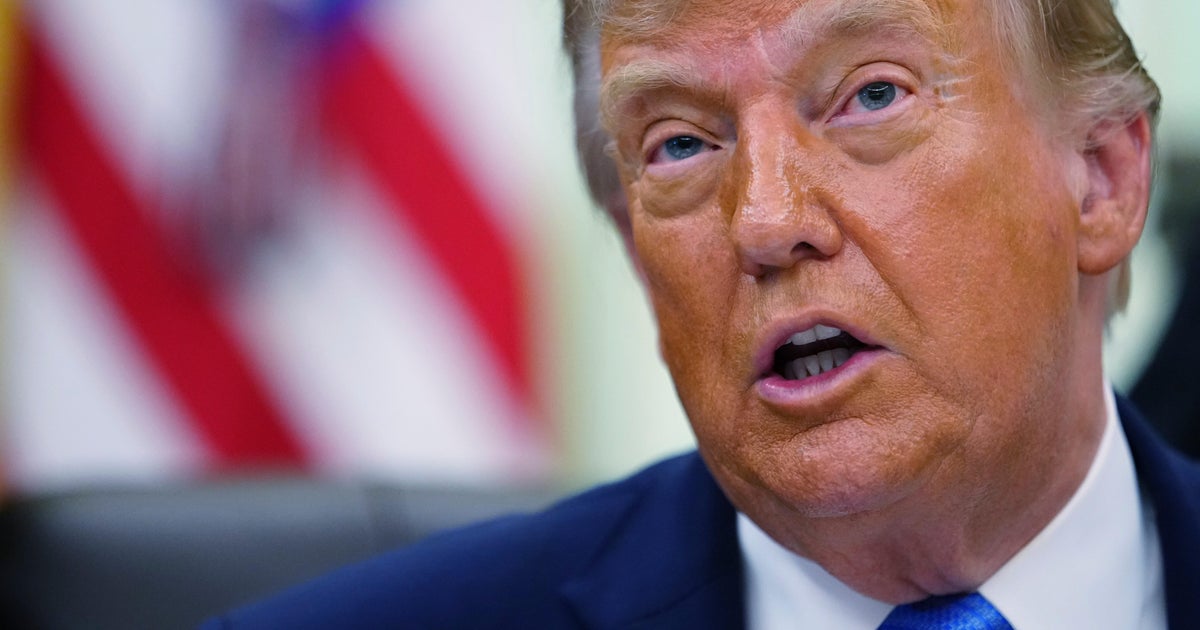
U.S. CPI accelerated to 4.2% year over year from 3.8%, the highest since April 2023, while Brent crude traded around $94 per barrel and the president said oil prices will fall once the war is over. Trump claimed U.S. military action has been taking out millions of barrels of Iranian oil and said more than 100 million barrels and 200 commercial ships have moved through the Strait of Hormuz. The comments tie inflation and energy prices directly to Middle East conflict, with potential market-wide implications for oil, inflation expectations, and politics.
The market implication is less about the headline inflation print and more about policy regime uncertainty. When the White House treats energy inflation as an acceptable bridge condition, it raises the probability of a delayed response function from the Fed and a more volatile term premium, because investors must now price both supply disruption risk and political pressure to suppress it later. That combination is typically bullish for near-dated volatility in rates and crude, even if spot prices mean-revert quickly. The second-order winners are not just upstream energy producers; it is also any balance sheet with hard-asset exposure and inflation linkage that can reprice faster than wages and contracted costs. Refiners and airlines are the obvious losers if crude stays elevated, but the subtler loser is the consumer discretionary complex, where gasoline acts like an implicit tax and compresses unit demand before earnings estimates fully adjust. If this persists for 1-2 quarters, the pain should show up first in lower-income retail, autos, and travel names rather than in the headline macro data. The contrarian read is that the market may be overestimating how durable a geopolitically driven oil spike can be if the administration is loudly signaling eventual de-escalation and supply normalization. That makes the trade path asymmetric: energy equities can work if oil remains bid for several weeks, but outright long crude needs tighter risk controls because a diplomatic off-ramp could unwind the risk premium abruptly. The better expression is to own optionality on volatility rather than chase spot beta. The most important catalyst window is the next 2-6 weeks, not the next year: if shipping flows normalize, the inflation impulse may fade before it contaminates broader inflation expectations. If not, the risk shifts from energy-specific inflation to a broader multiple compression trade across cyclicals and rate-sensitive growth, because the market will start discounting higher-for-longer policy into year-end. In that case, the domestic political incentive to force lower pump prices becomes a powerful reversal trigger.
AI-powered research, real-time alerts, and portfolio analytics for institutional investors.
Request DemoOverall Sentiment
neutral
Sentiment Score
-0.05
