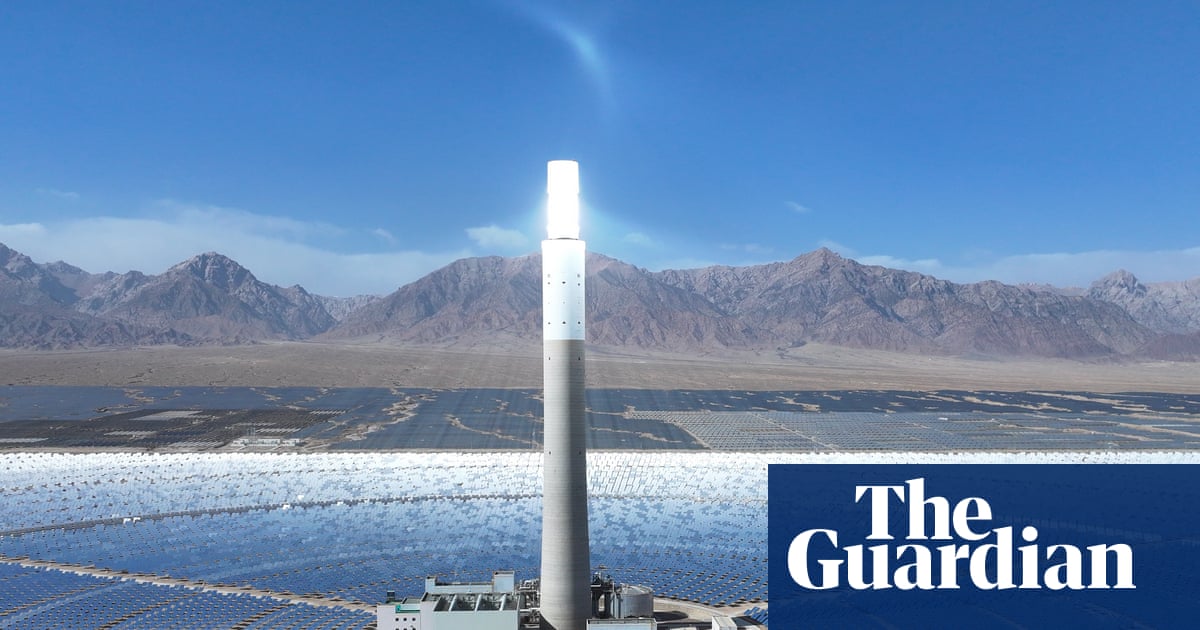
The International Energy Agency (IEA) projects that renewables will grow faster than any other major energy source, with more capacity added in the next five years than in the past four decades, signaling an "inevitable" transition away from fossil fuels. This acceleration is driven by a projected 40% increase in global electricity demand over the next decade, fueled by electric vehicles, heating, and AI datacenters, which are also prompting a "renaissance" in nuclear power. Notably, global investment in datacenters is expected to reach $580 billion by 2025, surpassing spending on global oil supply, despite political headwinds in some regions. While specific national policies may temper domestic growth, the IEA emphasizes that rapid global expansion of renewables and electrification will dominate the future, offering a more cost-effective and secure energy system.
The International Energy Agency (IEA) forecasts an "inevitable" and rapid expansion of renewable energy, projecting more new projects in the next five years than in the past four decades. This accelerated transition is driven by an anticipated 40% increase in global electricity demand over the next decade, fueled by electric vehicles, heating, cooling, and AI datacenters. Notably, global investment in datacenters is expected to reach $580 billion by 2025, surpassing the $540 billion allocated to global oil supply.
The report highlights a "renaissance" for nuclear power, spurred by tech companies seeking stable low-carbon electricity for their datacenters. While political headwinds, such as the Trump administration's stance, may reduce US solar capacity by 30% by 2035 compared to previous forecasts, the global expansion of renewables, particularly cheap solar in regions like the Middle East and Asia, is expected to continue rapidly. This global momentum underscores the IEA's view that no single country can halt the energy transition.
The IEA emphasizes that faster transition pathways offer a more cost-effective, efficient, and secure energy system, especially benefiting fossil-importing nations. Despite the IEA reintroducing a "cautious perspective" scenario, which some analysts argue underestimates EV adoption, the overarching sentiment remains that renewables and electrification will dominate the future energy landscape. This shift is poised to reshape energy markets and investment priorities significantly.
AI-powered research, real-time alerts, and portfolio analytics for institutional investors.
Request DemoOverall Sentiment
strongly positive
Sentiment Score
0.75
