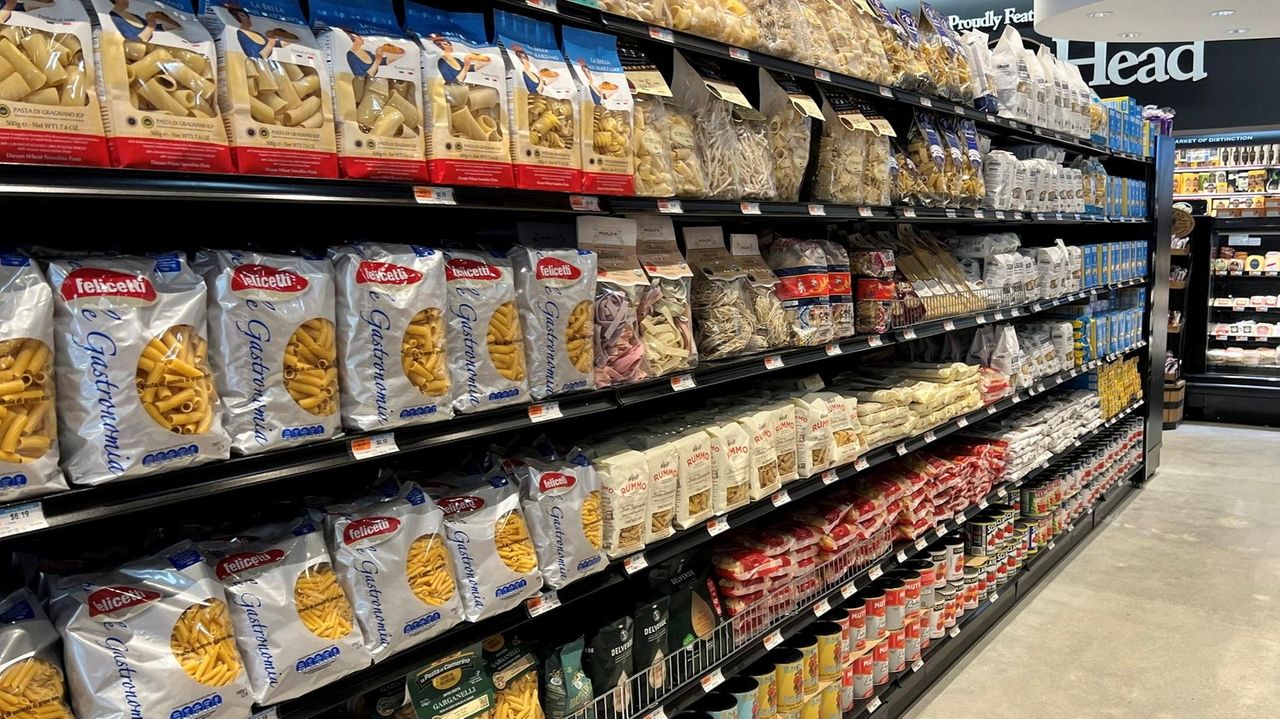
The U.S. Commerce Department's preliminary decision threatens to impose tariffs up to 107% on imported Italian pasta from 13 major companies, including Barilla, as early as January, citing alleged "less than normal" pricing. This potential increase, which would add a 92% duty to an existing 15% tariff, is causing Long Island grocers to stock up and anticipate significant price hikes or margin compression. However, the final tariff rate could be substantially lower, between 7% and 10%, if Italian pasta makers provide requested data, creating market uncertainty regarding future import costs and consumer prices.
The U.S. Commerce Department's preliminary decision to impose tariffs up to 107% on imported Italian pasta from 13 major companies, including Barilla, signals significant trade friction. This potential duty, comprising a new 92% tariff atop an existing 15% EU tariff, stems from allegations of "less than normal" pricing by Italian producers. Long Island grocers are already reacting by heavily stocking inventory, anticipating substantial price increases or severe margin compression if these tariffs take effect as early as January.
Despite the high preliminary tariff rate, there is considerable uncertainty regarding the final outcome. A White House spokesperson indicated that the tariff rate could be significantly reduced to between 7% and 10% if Italian pasta makers provide the requested data during the review period. This creates a bifurcated outlook, where the cost of imported pasta could either more than double or see a more modest increase, depending on the producers' cooperation and the final determination.
The situation highlights potential supply chain disruptions and cost pressures for retailers heavily reliant on specific imported goods. While specialty grocers face direct exposure, other businesses like Italian restaurants have greater flexibility to substitute imported pasta with more affordable alternatives. Furthermore, markets that produce their own pasta, such as Baldanza Brothers, are largely insulated from these tariff impacts, demonstrating a strategic advantage in volatile trade environments.
AI-powered research, real-time alerts, and portfolio analytics for institutional investors.
Request DemoOverall Sentiment
moderately negative
Sentiment Score
-0.60
