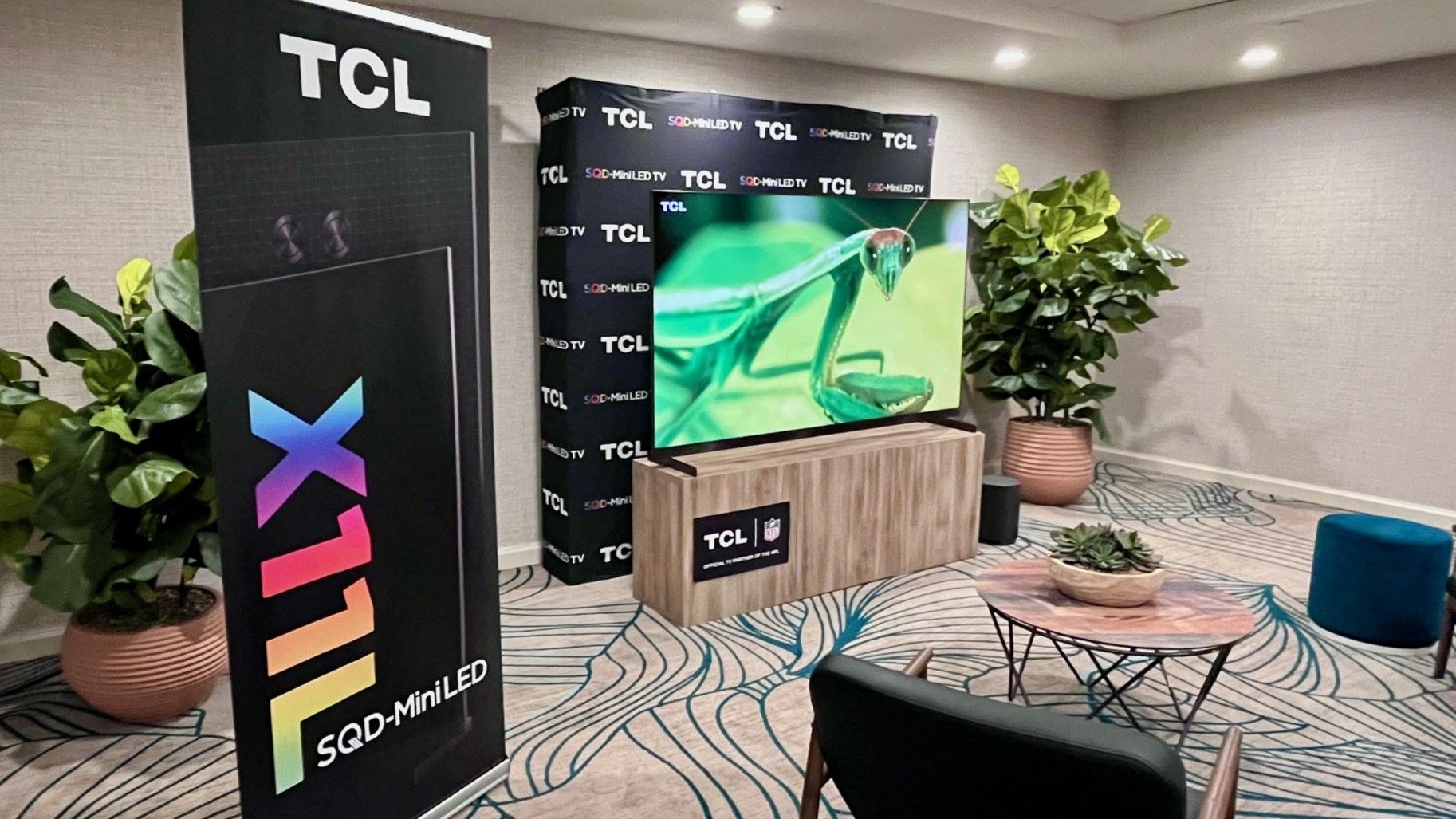
TCL unveiled its flagship X11L SQD mini‑LED TV at CES 2026, shipping in January in 75-, 85- and 98-inch sizes with industry‑leading specs including 10,000 nits peak brightness, 100% BT.2020 color gamut, a WHVA panel with 7,000:1 native contrast, up to 20,000 local dimming zones, and support for Dolby Vision 2 Max and 4K/144Hz via four HDMI 2.1 ports. Priced at $6,999.99 (75”), $7,999.99 (85”) and $9,999.99 (98”), the X11L (plus the RM9L RGB mini‑LED, QM6L series, and A65K soundbar) positions TCL more aggressively in the premium TV segment, leveraging AI features (TSR processor, Google TV with Gemini) and advanced color/filter technology to pressure OLED and other mini‑LED competitors—likely a modest positive for TCL’s premium mix and component demand but not a market‑moving corporate event.
Market structure: TCL’s X11L and RM9L push mini‑LED upmarket with full BT.2020/10,000‑nit claims, advantaging platform/OS partners (Google/GOOGL) and streaming monetizers (ROKU) while pressuring traditional premium hardware franchises (SONY) on value‑per‑inch. Expect near‑term pricing pressure in the $4k–$10k premium set as suppliers scale 5nm UltraColor filters and local‑dimming controllers; gross‑margin winners will be software/AI licensors and panel IP owners, not commodity LCD suppliers. Cross‑asset: stronger consumer tech demand could modestly lift cyclical CAD/AUD vs JPY, slightly steepen front‑end of IG credit if capex picks up, and increase copper/aluminium mix exposure through panel/backlight suppliers over 6–18 months.
Risk assessment: Tail risks include supply chain failure (5–15% probability) limiting 98” shipments, patent/licensing suits over Super QLED tech, or disappointing retail sell‑through causing inventory markdowns. Immediate (days) reactions will be sentiment‑driven; short term (weeks–months) depends on CES reviews and retailer preorders; long term (quarters) hinges on cadence of RGB mini‑LED adoption and content certification monetization. Hidden dependencies: Game Pass cloud integration requires Microsoft cooperation (not guaranteed) and IMAX/ Dolby licensing revenue is modest but signaling. Catalysts: retail sell‑through data in 30–90 days, supplier inventory builds, and third‑party lab measurements.
Trade implications: Favor platform/ads exposure (ROKU, GOOGL) and underweight legacy hardware (SONY) if share gains persist; implement calibrated option positions to express convexity around CES follow‑ups. Immediate tactical: buy 3–6 month call spreads on GOOGL to capture Gemini/TV ad monetization, long ROKU into retailer listings; hedge with SONY puts or modest short to reflect expected margin pressure over 3–12 months. Rotate 2–4% from pure hardware suppliers into software/cloud gaming/AI over the next 6–12 months.
Contrarian angles: Consensus undervalues consumer preference persistence for OLED/QD‑OLED: Sony’s image quality and content partnerships can blunt TCL’s premium march, making deep hardware shorts risky if OLED pricing falls. Also, TCL’s premium pricing suggests TAM saturation—if initial sell‑through <50% in 60 days, risk of rapid discounting is high and creates an asymmetric short opportunity. Historical parallel: LED backlight waves (2018–2020) saw incumbents regain share via price/performance cycles; expect similar oscillation rather than a one‑way displacement.
AI-powered research, real-time alerts, and portfolio analytics for institutional investors.
Request DemoOverall Sentiment
moderately positive
Sentiment Score
0.45
Ticker Sentiment
